
I have a soft spot for basements because they are honest. They do not pretend to be charming. They are concrete, studs, and a single sad bulb hanging like a warning. But that is exactly why they make the best blank canvas for a retro den.
This makeover started with a bland, unfinished basement in my 1958 ranch and one very specific daydream: a 1970s-inspired lounge where friends actually want to linger. Think walnut tones, amber glass, low seating, a little swagger in the lighting, and a vintage wet bar that feels like it has hosted a thousand card games.
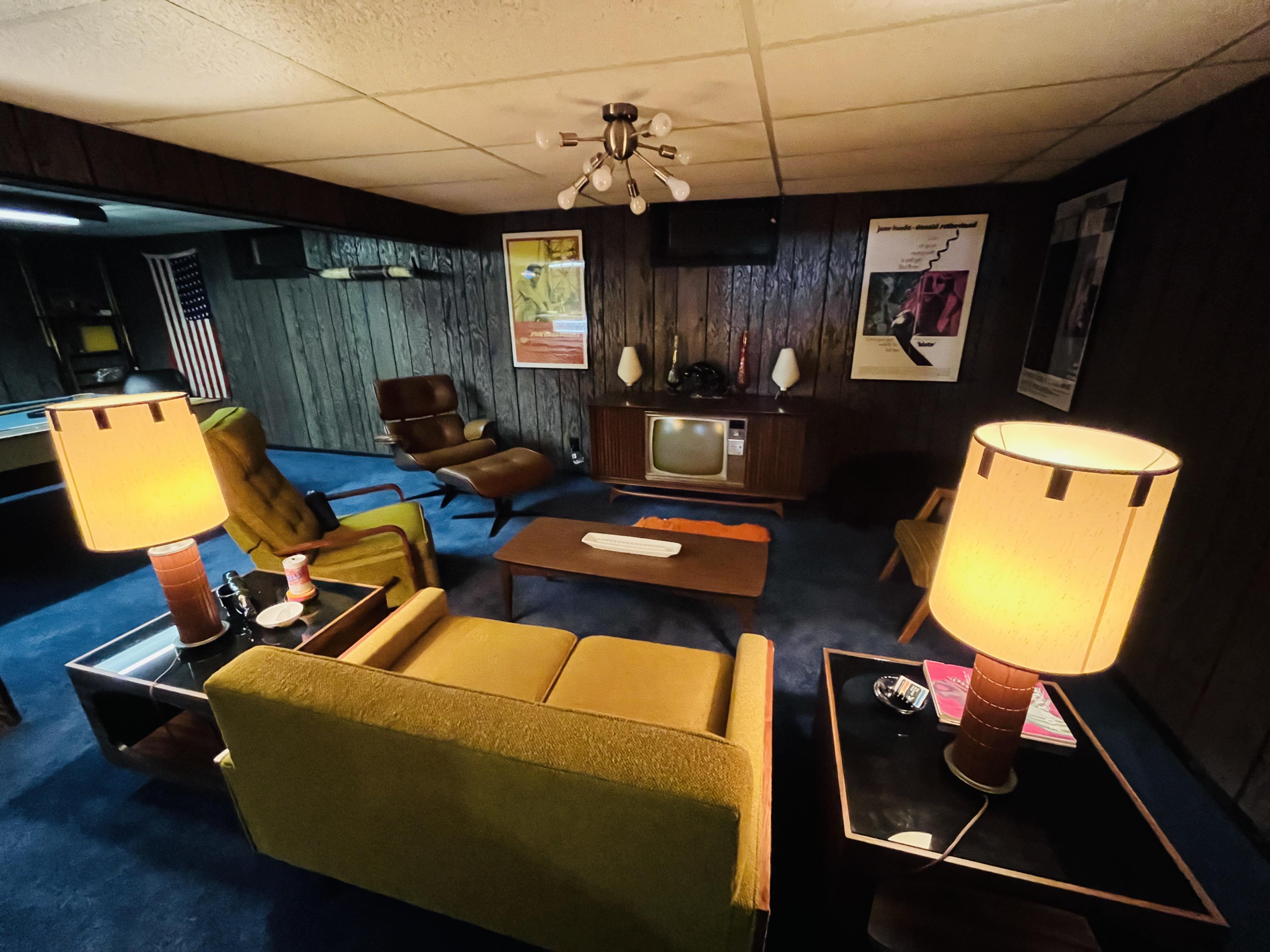
The vision: 1970s lounge, not finished basement
Mid-century modern basements can go two ways: crisp 1960s rec room or moodier 1970s den. I went full 1970s because the basement naturally wants to be intimate. Lower ceilings and fewer windows are not a problem when your goal is a tucked-away lounge.
My non-negotiables were simple:
- Wood paneling warmth to erase that raw-basement chill.
- A true zone for hanging out, not a random couch floating in open space.
- A wet bar moment that feels vintage, even if the plumbing is new.
- Layered, dimmable lighting so the room never relies on overhead glare.
If you love the broader MCM spectrum but want to pin down the decade, the quick cheat is this: 1970s rooms lean earthier, cozier, and a little more saturated. I break down those decade tells in How to Date Mid-Century Modern Thrift Finds: 1950s vs 1970s.
Step 1: Fix the basement basics first
Before I touched a single decorative detail, I treated the basement like a systems project. A lounge is only relaxing if it is dry, comfortable, and safe.
Moisture and air
- Control humidity. In most basements, a dehumidifier is not optional. Aim for a comfortable indoor range and keep an eye on seasonal spikes.
- Start with the smell test. If the basement smells musty, you will never decorate your way out of it. Clean, dry, and ventilate first.
Electrical and lighting plan
- Add outlets where the room needs them. Bars, lamps, and media corners all want power. Plan before walls go up.
- Put dimmers everywhere you can. A 1970s lounge lives and dies by mood lighting.
Flooring reality check
Basements are hard on textiles. I chose a durable floor and then layered in softness with a big area rug. If you are thrifting rugs, check for odors and storage stains in daylight.
Step 2: Framing and layout that feels like a den
Open basements tend to feel like storage until you carve out zones. I planned the room like a good vintage floor plan: seating group first, bar second, everything else follows.
My layout zones
- Lounge zone: sofa plus two chairs, positioned to encourage conversation.
- Media wall (optional): I kept it subtle so the room reads as hangout first.
- Wet bar zone: a compact run of cabinets with a little breathing room for serving and glassware.
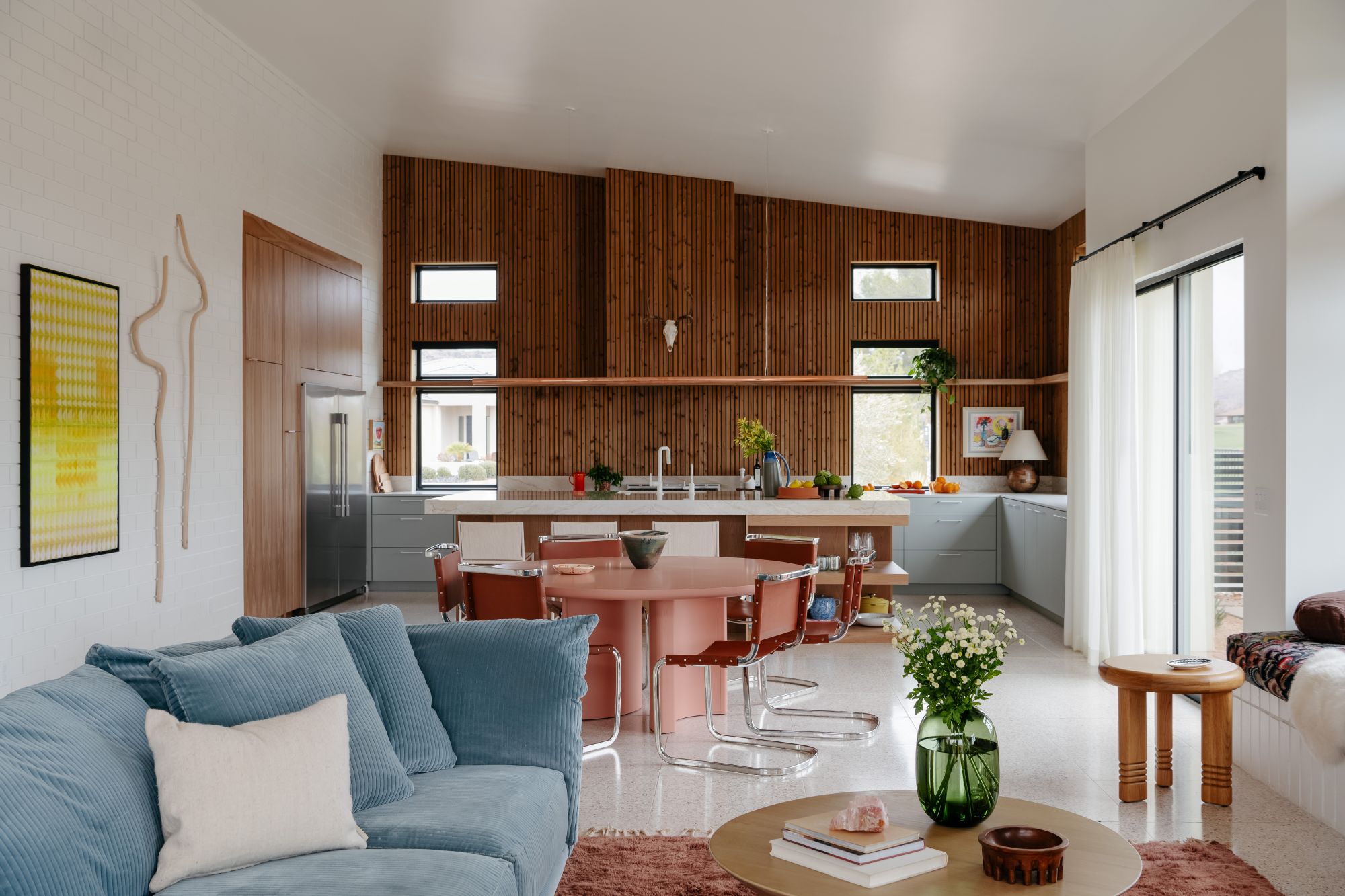
If you have an open concept upstairs and want that same intentional this area is for this clarity, my favorite way to think about it is in House Tour: Zoning an Open Concept MCM Living and Dining Room. Different room, same idea.
Step 3: Wood paneling without a dark cave
Wood paneling is the soul of this makeover. It is also where basements can go sideways if you use the wrong tone or forget to balance it.
How I kept it cozy
- Choose a warm tone with visible grain. Walnut and teak vibes read instantly mid-century and photograph beautifully in lamplight.
- Break up long runs. A bookshelf, bar niche, or art grouping keeps the walls from feeling endless.
- Balance with lighter elements. Cream upholstery, lighter rug tones, or a pale ceiling makes the wood feel rich, not oppressive.
In my head, the goal was grandparents den at golden hour, not basement from a horror movie. Warm bulbs, soft textiles, and brass accents do a lot of heavy lifting here.
If you are mixing metals in your lighting and bar hardware, keep it intentional. I like a tight mix of brass with a little chrome for sparkle. I wrote more about that balancing act in Mixing Brass, Copper, and Chrome in Mid-Century Modern Style.
Step 4: The wet bar moment
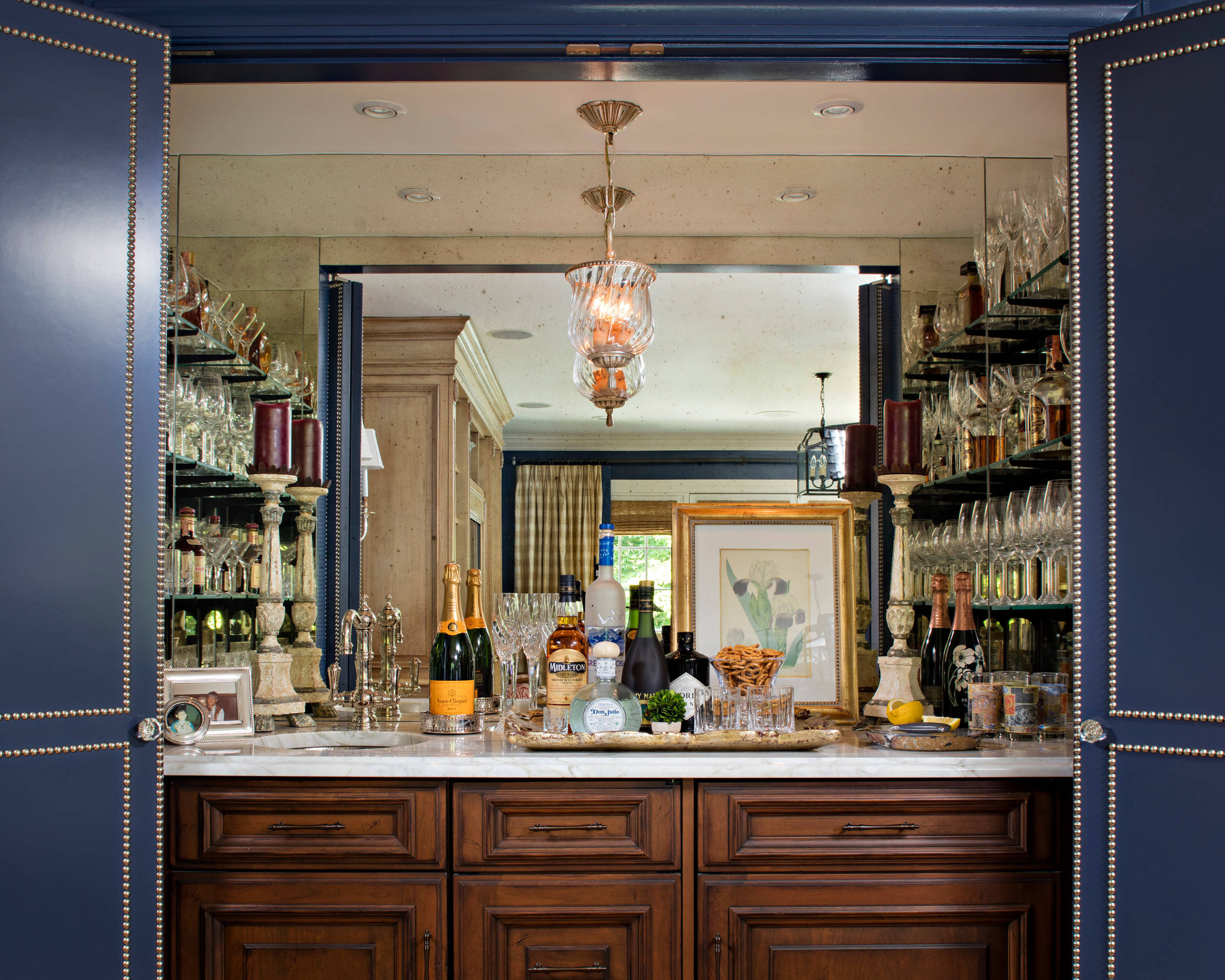
I wanted the wet bar to feel like it belonged to the house, even if it was assembled from a mix of thrifted pieces and smart upgrades. A true vintage built-in is the dream, but you can absolutely fake the vibe with the right shapes and finishes.
What reads retro
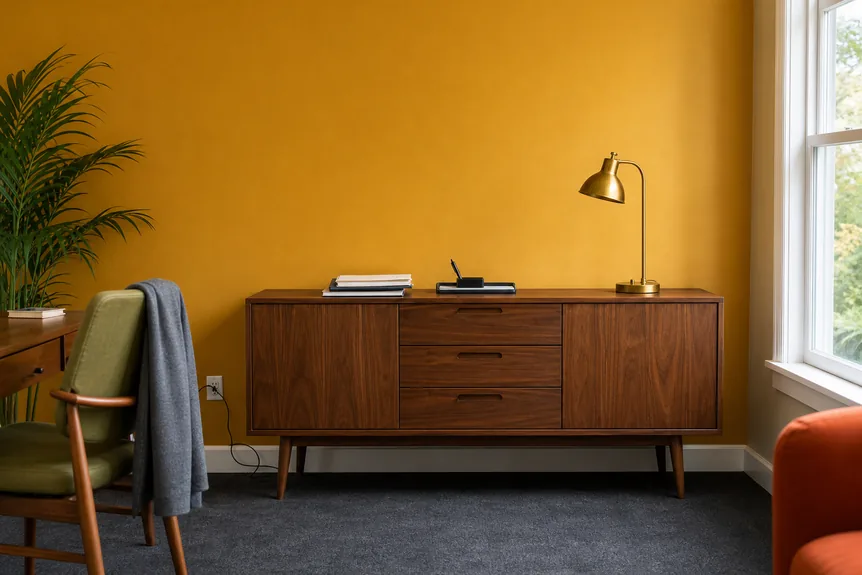
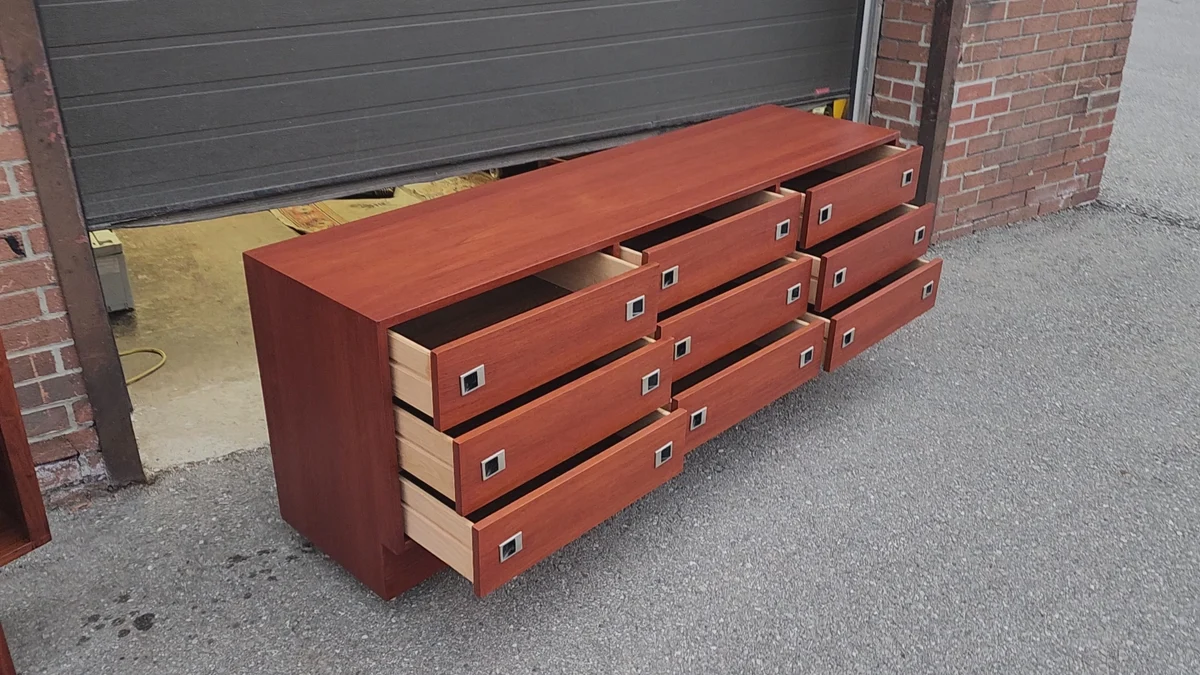
- Low, horizontal cabinetry. Long lines read mid-century immediately.
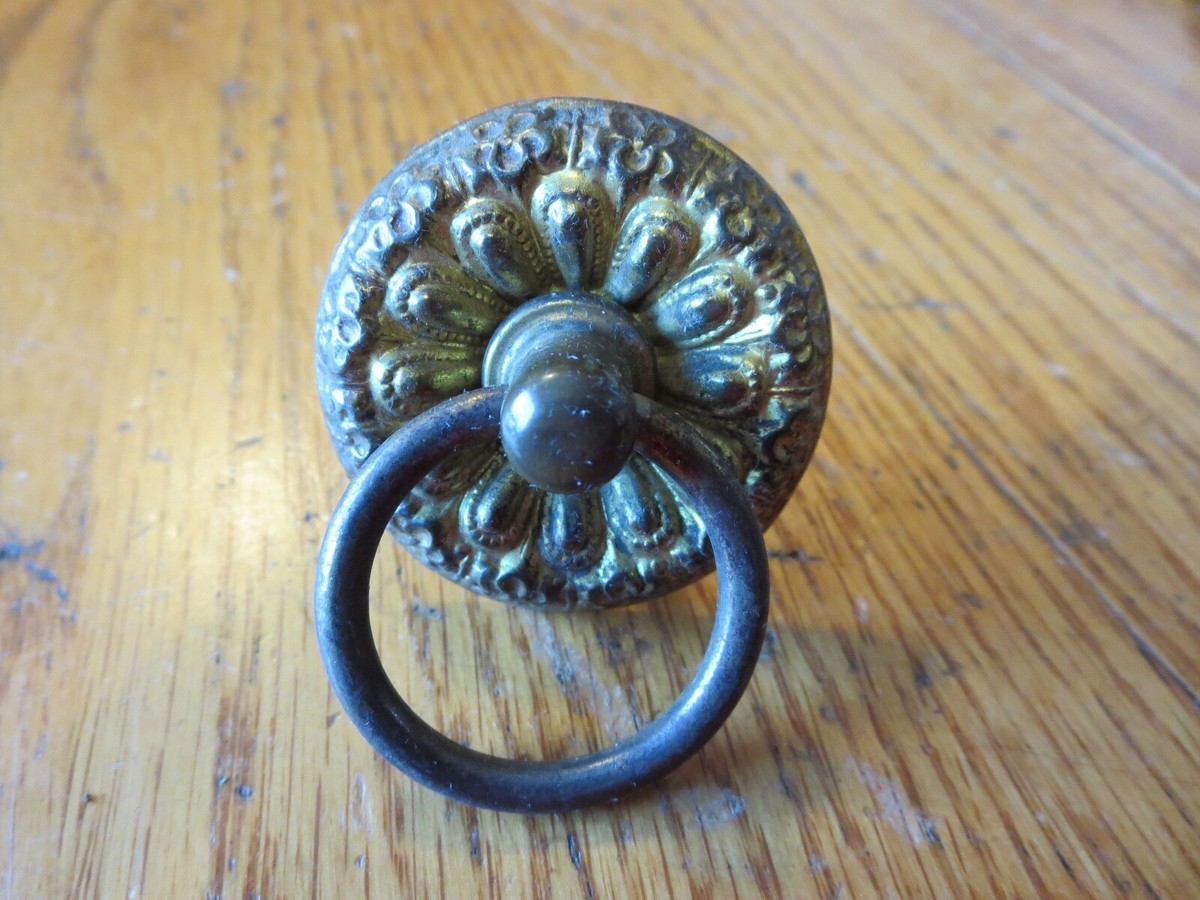
- Statement pulls or sleek edge pulls. This is where the era lives.
- Amber glass and smoked glass. A couple of vintage glasses on display does more than a lot of bar decor.
- A small lamp. Yes, even at the bar. Overhead lighting alone kills the lounge feel.
I hunted my bar pieces the same way I hunt furniture: I check structure first, then style. If you are thrifting cabinetry, shelving, or a bar cart, the safety and stability checks in 5 Structural Red Flags to Avoid When Thrifting Mid-Century Wooden Furniture apply here too.
Step 5: Seating that says stay awhile
1970s seating is lower, softer, and more lounge-forward than earlier decades. This is where you can bring in corduroy, tweed, nubby textures, and big cushions without losing the mid-century thread.
My seating formula
- One anchor sofa: clean-lined, low profile, comfortable enough for long conversations.
- Two vintage or vintage-inspired chairs: I like a pair that can face the sofa to make a real conversation pit feel.
- One flexible extra seat: an ottoman, pouf, or even a sturdy vintage stool that can slide near the bar.
If you are buying vintage upholstered pieces, do not let a pretty fabric distract you from the practical checks. I keep my own checklist in Buying Vintage Mid-Century Upholstered Furniture: What to Check.
Step 6: Lighting does the heavy lifting
If you take only one thing from this transformation, let it be this: a basement becomes a lounge when the lighting stops behaving like a garage.
Layered lighting plan
- Ambient: a central fixture on a dimmer, ideally something with 1970s personality.
- Task: a bar lamp and a reading lamp near one end of the sofa.
- Accent: a small directional light for art, shelving, or a plant.
Warm color temperature bulbs make paneling glow, skin look better, and everything feel more expensive. I also love lampshades with a little texture because they soften shadows and make the room feel finished.
Step 7: Earthy color, calm mood
My grandparents house taught me early that walnut and avocado green were not ugly. They were comforting. For this den, I leaned into 1970s earth tones and let the wood be the hero.
Colors that worked in the basement
- Olive and moss green for pillows and art accents.
- Rust and terracotta for warmth against the wood.
- Mustard and amber in glass and lighting, not in huge blocks.
- Cream and oat for upholstery to keep the room breathable.
If you are torn between earthy and bold, I compare the mood of each approach in Earth Tones vs Jewel Tones in Mid-Century Style. For a basement lounge, earth tones almost always win because they fight the underground feeling less.
Step 8: Details that sell the era
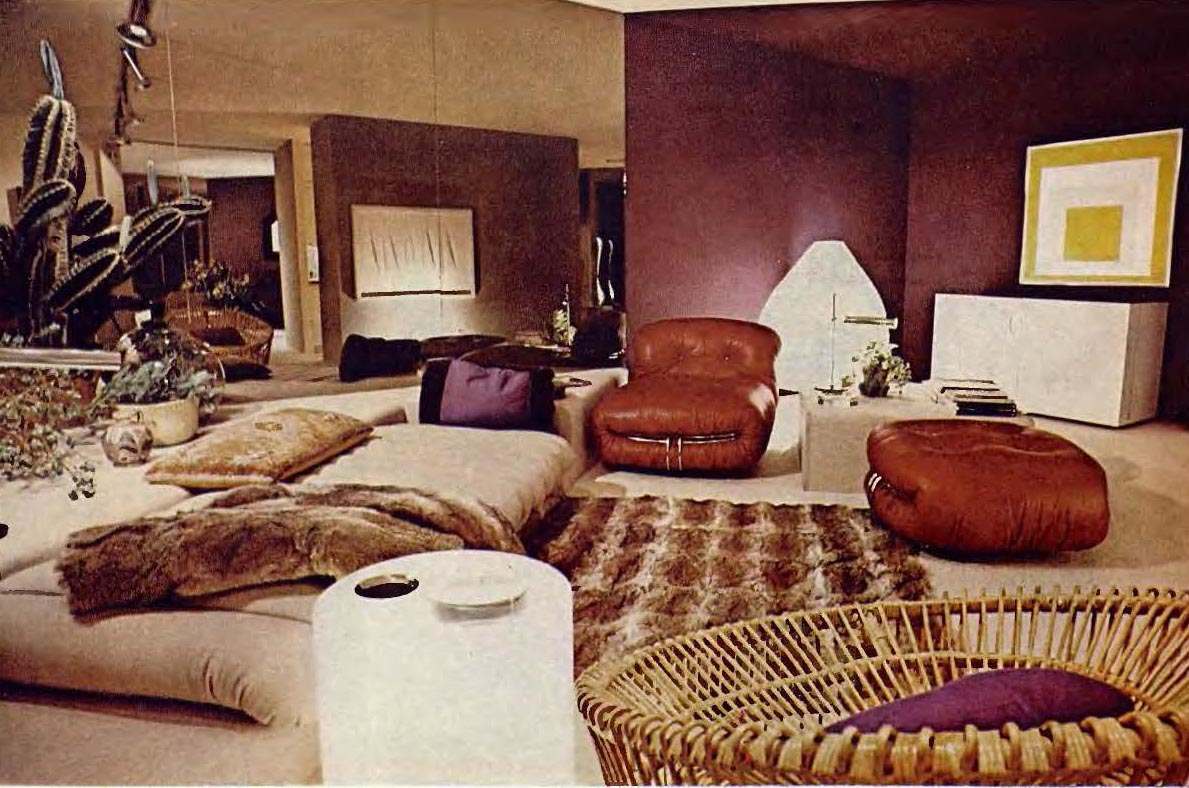
This is the fun part, and also the part where I see people overdo it. You do not need to theme-park your basement. A few convincing choices carry the decade.
My favorite 1970s touches
- Art glass: amber and smoke tones look incredible under lamplight. I always keep an eye out when thrifting, and I share what I look for in Thrifting Mid-Century Ceramics and Art Glass.
- Record storage: even if you do not collect vinyl, a small shelf with a few jackets adds instant lounge energy.
- One large piece of wall art: big scale helps low ceilings feel intentional.
- Textile layering: a thick rug, a throw with texture, and pillows in varied weaves.
I also like adding a single, slightly sculptural object on the bar or coffee table. It reads curated, not cluttered.
Thrift strategy: great finds, fair prices
Basement dens are perfect for thrifted finds because comfort matters more than perfection. A few scuffs and stories make the room feel lived-in in the best way.
- If you are hunting locally, start with 7 Overlooked Local Spots to Score Authentic Mid-Century Modern Furniture.
- For negotiation, I keep my flea market scripts and timing tips in 10 Pro Tips for Haggling at Flea Markets for Mid-Century Modern Finds.
- Before you commit, do a quick reality check with How to Price-Check Vintage Mid-Century Thrift Finds.
My rule is simple: spend on what you touch every day (sofa, rug, lighting), save on what you can swap seasonally (glassware, textiles, small decor).
How the finished den feels
The best compliment I got was not Wow, this looks like the 1970s. It was It feels like a place we can actually hang out. That is the magic of a retro den makeover. You are not just adding wood paneling and a wet bar. You are building a mood.
Now, instead of the basement being a place I rush through to grab storage bins, it is where we play cards, put on a record, and let the night stretch out a little longer. Warm light on walnut tones has a way of making time slow down, and honestly, I think we all need that.
Quick FAQ
Does wood paneling make a basement feel smaller?
It can, if the room relies on one harsh overhead light or if everything else is dark. Warm bulbs, lighter upholstery, and a pale ceiling keep paneling rich instead of heavy.
How do you make a wet bar feel vintage if it is new?
Focus on low, horizontal proportions, period-friendly hardware, and a few authentic vintage items in view like amber glassware or a classic ice bucket. A small lamp at the bar is a surprisingly strong this is a lounge signal.
What is the easiest 1970s upgrade if you cannot renovate?
Lighting and textiles. Add two warm table lamps, a big rug, and earth-tone pillows. You will feel the shift immediately, even without paneling.