
I love a good thrift store loop as much as anyone, but if you have ever arrived five minutes after opening and found only wobbly bookcases and a lonely 1990s TV stand, you already know the pattern: in my experience, the best mid-century modern pieces often do not sit patiently in the regular donation line.
Over the last decade of weekend hunts (and while slowly restoring my 1958 ranch house one teak scratch at a time), I have found that the real deals often live in the overlooked corners of your town: places that feel more “local logistics” than “vintage boutique.” If you are ready to find authentic MCM furniture without paying showroom prices, start here.
1) Local estate sale companies (not just the sale itself)
Estate sales are the classic answer, but the overlooked move is getting to know the companies running them. Some have warehouses, holding days, or last-day liquidation rules that the casual shopper never learns.
Why it works
- Whole homes from the right era often include matching sets: bedroom suites, dining sets, or built-in wall units.
- On many sales, prices drop on the final day, especially on large case goods that are hard to move. Some companies hold firm or switch to online bidding, so check the listing rules first.
Clara’s take: what to do on-site
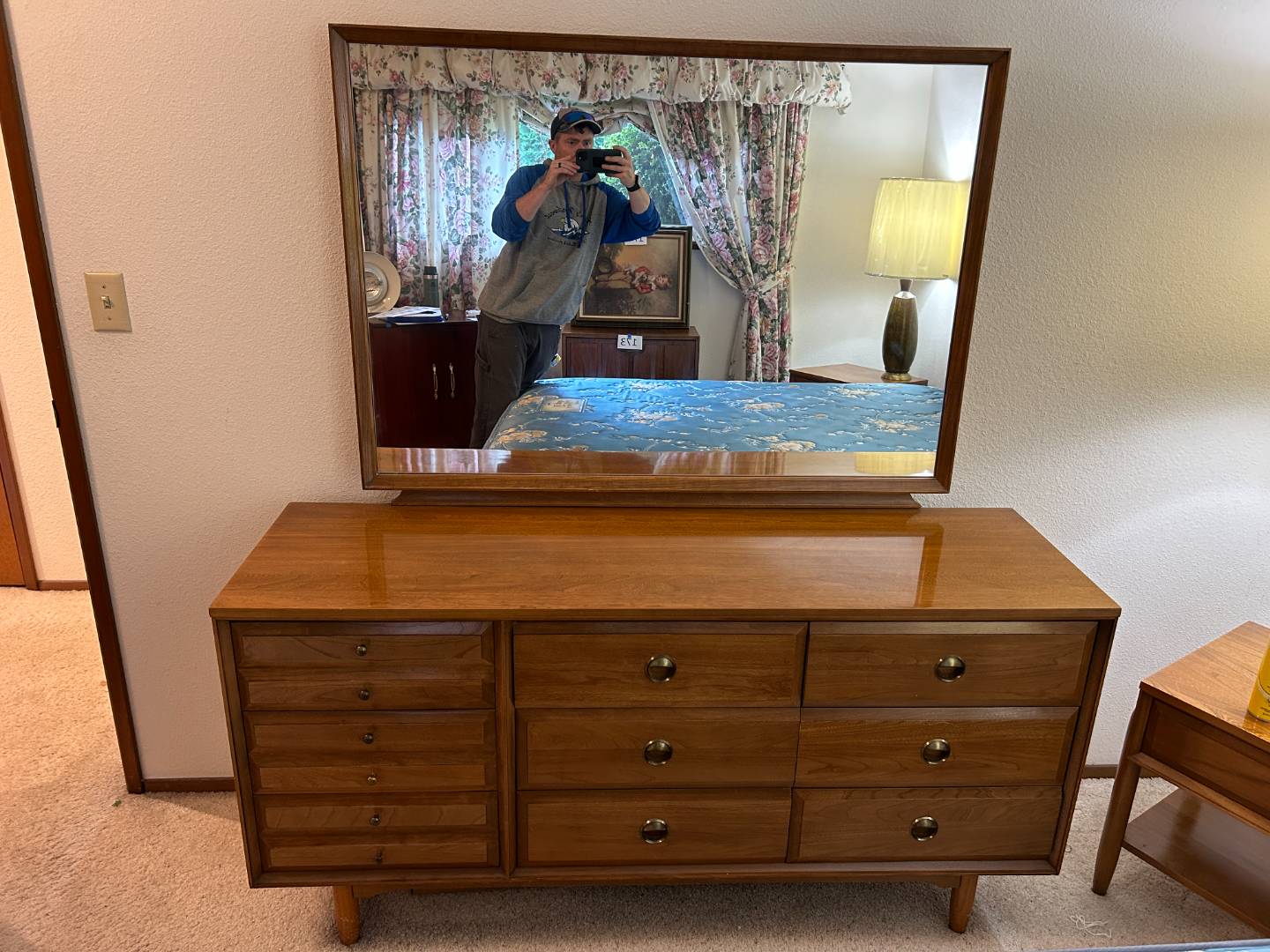
- Open every drawer. Look for sturdy drawer boxes, smooth runners, and intact corners.
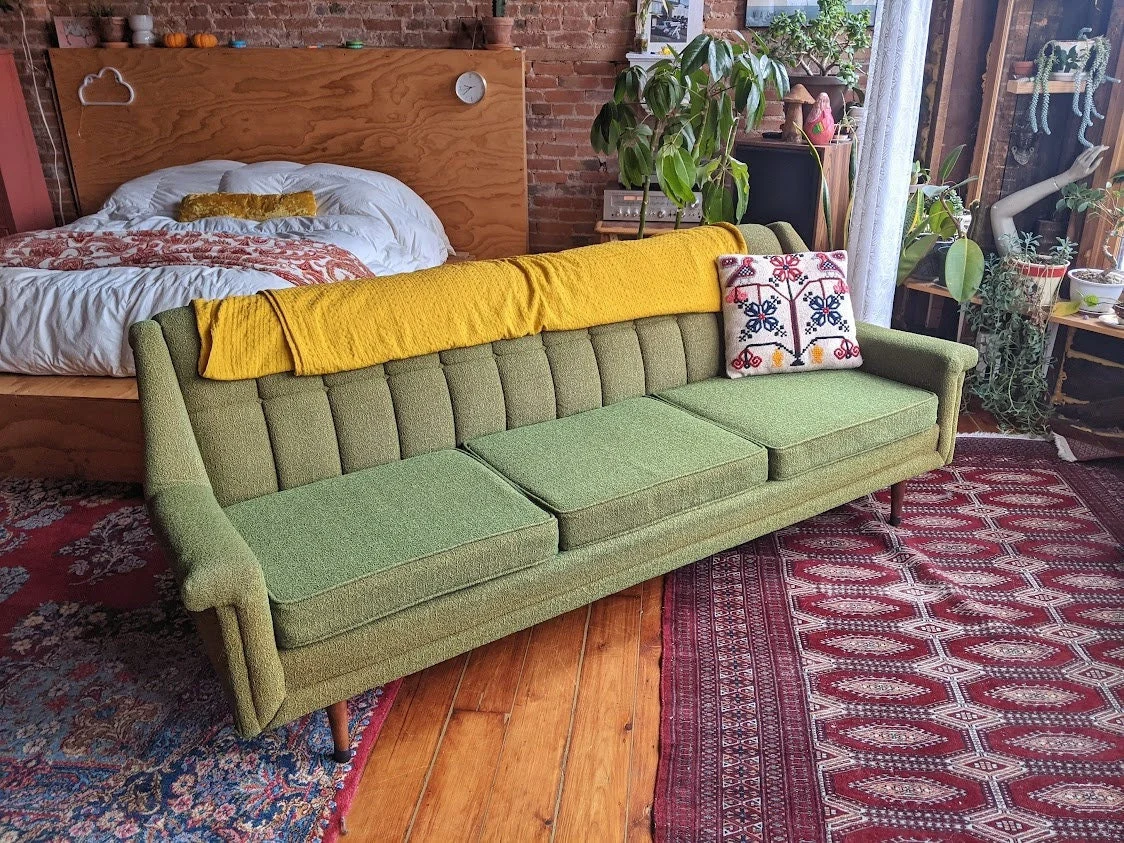
- Flip cushions and check frames. A great silhouette is still a great silhouette, even if the fabric is not.
- Bring a tape measure and a moving blanket. If you can haul it, you can usually buy it. If you cannot, plan ahead with a van rental, straps, and a furniture dolly, or ask about pickup windows.
If you are building a room from scratch, estate sales are also where you are most likely to find era-appropriate extras like lamps, ceramics, and wall art that make the furniture feel “collected,” not staged. For more hunting habits and what I look for first, head to Vintage Hunting & Thrifting.
2) Auction houses (including small-town weekly auctions)
If “auction” makes you picture high-end art and paddles, I am here to reassure you: plenty of auctions are just local people clearing estates, downsizing, or closing a shop. Those can be a sweet spot for mid-century furniture.
Why it works
- Less retail markup than curated vintage shops.
- Odd lots like “contents of bedroom” can hide a gem, especially if photos are minimal.
Bid smarter
- Preview in person if possible. Smell for smoke or heavy mildew, and check veneer edges for lifting.
- Set a hard ceiling before you get emotionally attached. Factor in buyer’s premium, sales tax, and pickup deadlines.
- Know your refinishing comfort level. Surface scratches are fine. Swollen particle board is not your weekend project.
3) Architectural salvage yards and reuse centers
Salvage yards are famous for doors and old sinks, but many also get built-ins, vanities, cabinets, and occasionally full walls of teak paneling from mid-century remodels. Even when they do not have the dream credenza, they can solve the supporting cast: hardware, pulls, lighting parts, and period-friendly materials.
Why it works
- Contractors drop off items fast, and pricing is often based on “make it move,” not “look how trendy it is.”
- You can find pieces that help you customize modern storage to feel mid-century, like the right pulls and wood tones.
What to look for
- Solid wood cabinet doors with simple slab fronts.
- Brass or chrome pulls that match your era.
- Quality plywood case parts you can repurpose into shelving.
If you end up mixing metals across hardware and lighting, I have a full guide to keeping it cohesive here: Mixing Brass, Copper, and Chrome in Mid-Century Modern Style.
4) Consignment stores (especially the ones that look “uncool”)
The most productive consignment stores are not always the stylish ones with perfect vignettes. I mean the slightly dusty, fluorescent-lit places where the inventory is dense and the staff knows the local families.
Why it works
- Consignors bring in higher-quality furniture than what usually gets donated.
- Many stores discount older items on a schedule, so patience can pay off.
How to shop them
- Ask what day new items hit the floor, then show up that morning.
- Walk the entire store twice. The best teak end table is often holding up a stack of lamps in the back corner.
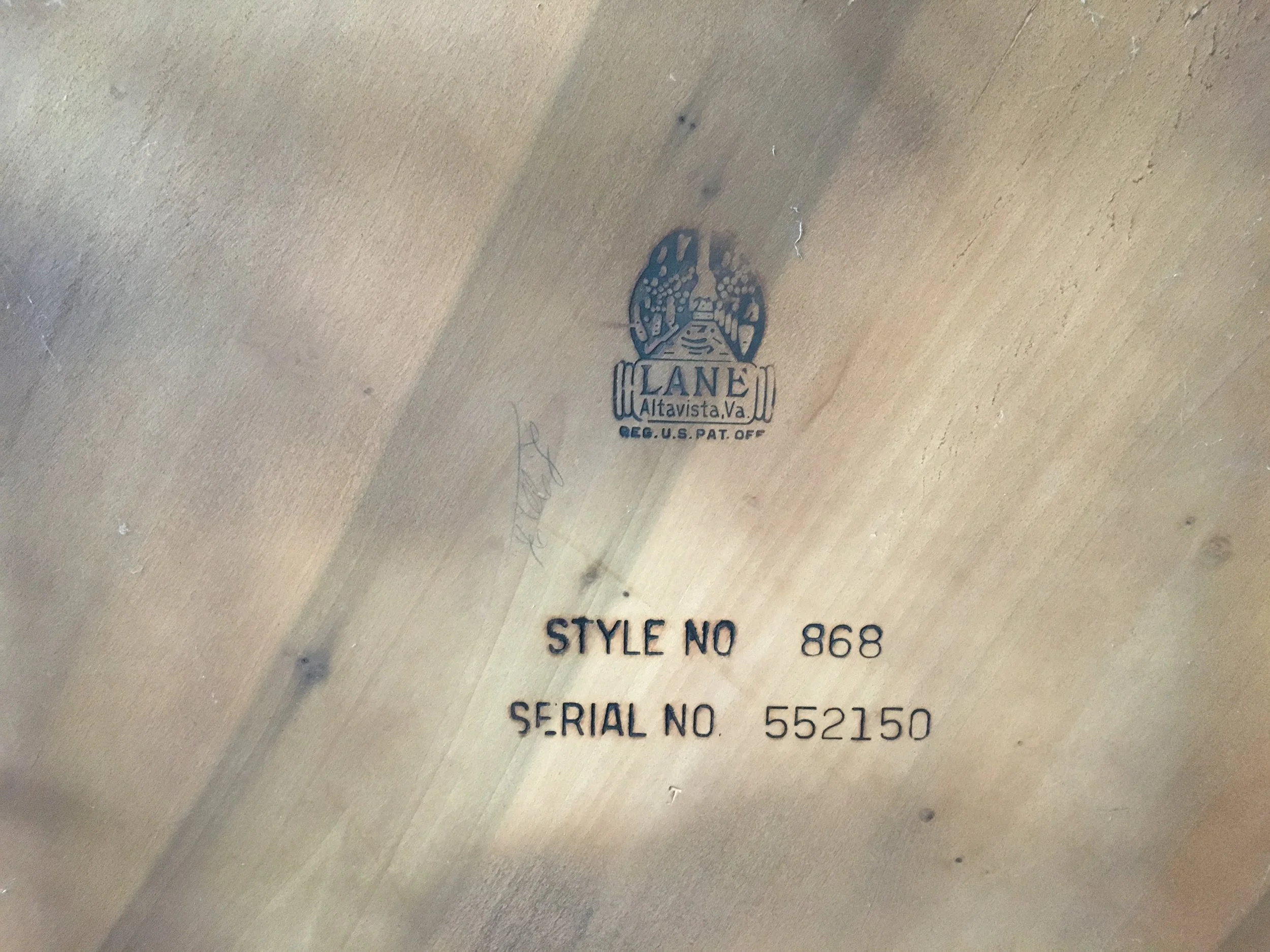
- Check for original labels under drawers or on the back, but do not rely on labels alone. Plenty of excellent pieces are unmarked, and plenty of marked pieces have been repaired, refinished, or modified.
5) Hotel, office, and university surplus sales
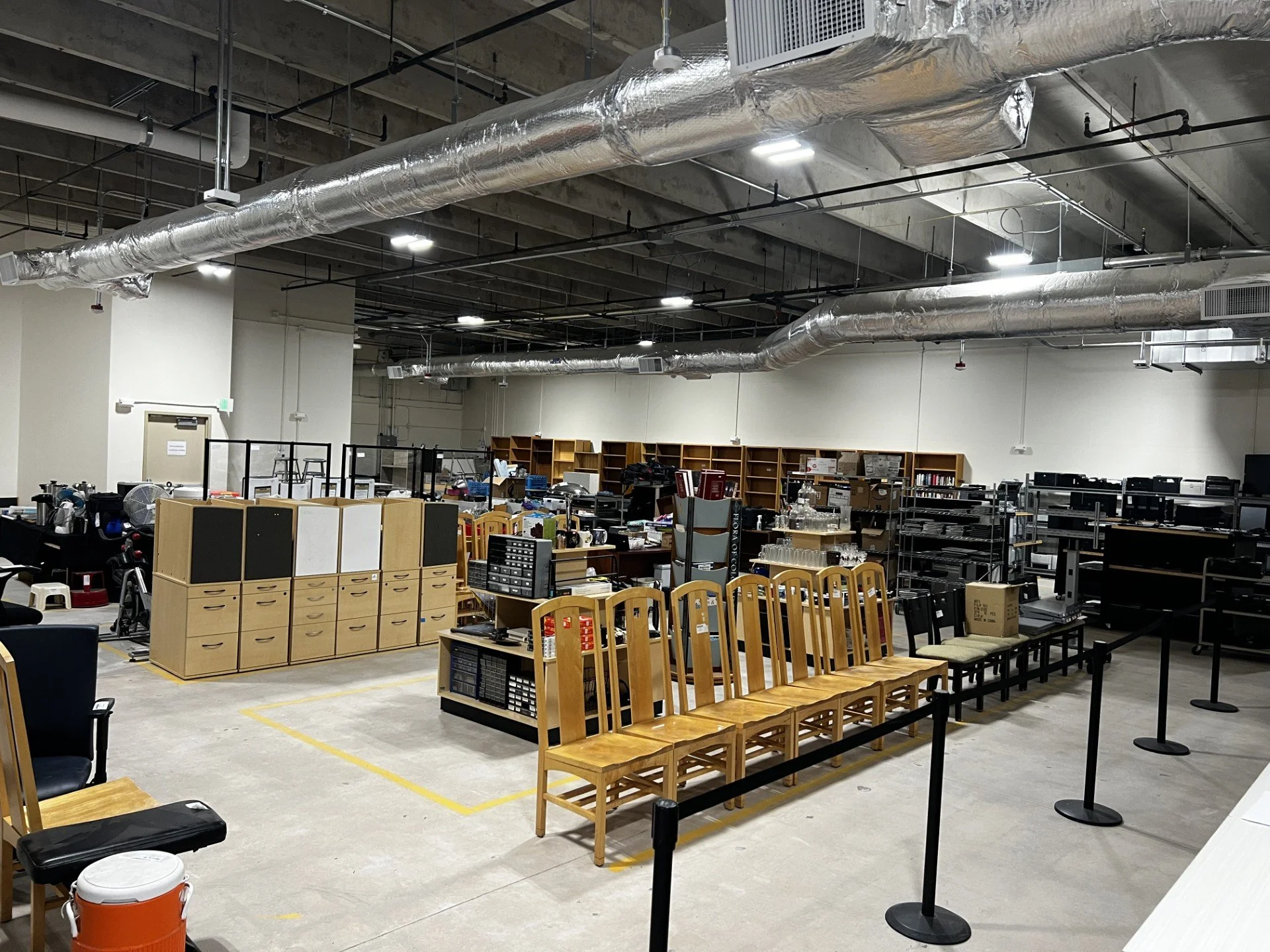
This is one of my favorite “why is nobody talking about this?” sources. Many institutions cycle out furniture on a schedule, especially after renovations and department moves. While you will see plenty of basic utilitarian pieces, you can also occasionally spot older contract furniture with true mid-century lines, or newer pieces that are simply mid-century inspired but still very well made.
Why it works
- Prices are often fixed and reasonable, especially near the end of a sale day.
- Commercial-grade items can be incredibly sturdy and repairable.
Best finds in surplus settings
- Low credenza-style storage from offices.
- Stacking chairs with classic lines.
- Library tables and occasional lounge seating that just needs fresh upholstery.
Quick tip: check the underside for maker marks, tags, or stamped dates. “Genuine mid-century” shows up sometimes, but it is not automatic, and the label (or lack of one) tells you more than the vibe does.
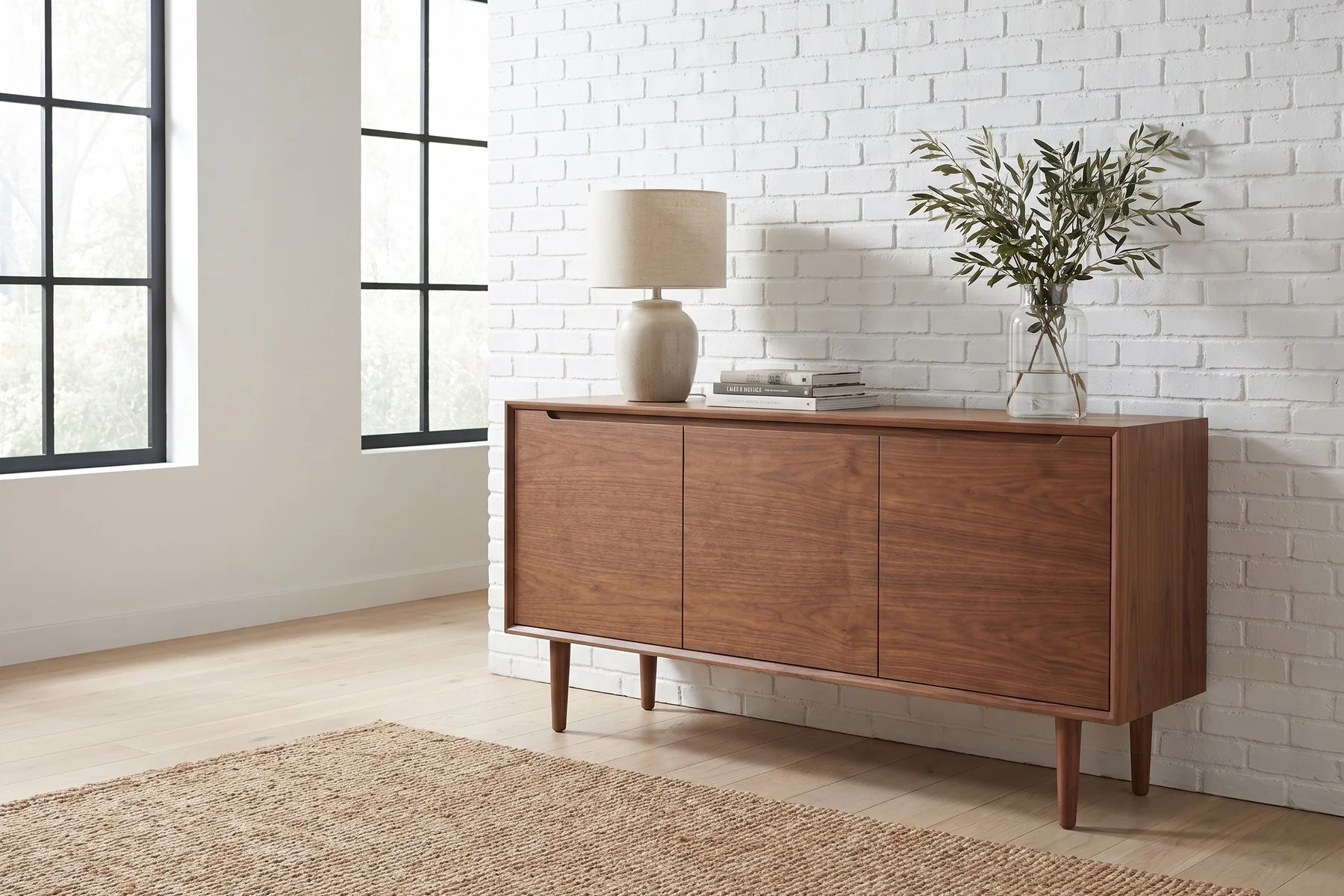
Even if the piece is not “atomic cute,” a clean-lined credenza can become a true mid-century moment with the right styling. I walk through exactly how I do that here: How to Style a Mid-Century Credenza With Vintage Decor.
6) Moving sales and downsizing sales in older neighborhoods
If you live near ranch neighborhoods built in the 1950s and 1960s, keep your eyes open for moving and downsizing sales that are not branded as “estate.” These often happen when someone is relocating, simplifying, or settling a parent’s home informally.
Why it works
- Often less competition from professional resellers who track major estate sale listings.
- Owners may know the story of the piece, including repairs, provenance, or matching items in another room.
What to ask politely
- “Do you have any other furniture from the same set?”
- “Is there a matching table leaf, stretcher, or extra chairs stored somewhere?”
- “Would you consider a bundle price if I take two pieces today?”
7) Scratch and dent and floor-sample clearances
This one surprises people because it is not strictly vintage. But if your goal is an authentic mid-century look and you are mixing eras anyway, clearance events can fill gaps without blowing your budget.
Some vintage dealers quietly clear out pieces with minor veneer issues or finish wear because they would rather move inventory than do restoration in-house. Likewise, modern retailers that produce MCM-inspired lines often offload returns, floor samples, or discontinued finishes at deep discounts.
How to buy clearance without regrets
- Inspect damage in natural light. A “tiny scratch” can be a long gouge under warm bulbs.
- Check that drawers and doors align. Cosmetic flaws are negotiable. Structural problems are a headache.
- Match wood tone directionally, not perfectly. In mid-century rooms, a mix of walnut, teak, and oak can feel layered when you keep undertones harmonious.
If you are shopping something potentially collector-grade, keep in mind that heavy refinishing can affect value. For most everyday, live-with-it pieces, I focus on stability first and pretty second.
If color is what makes your room click, pairing warm woods with the right palette is half the magic. Two helpful reads are Earth Tones vs. Jewel Tones in Mid-Century Style and Retro Color Palettes for a Mid-Century Modern Kitchen.
Quick checks I use in the field
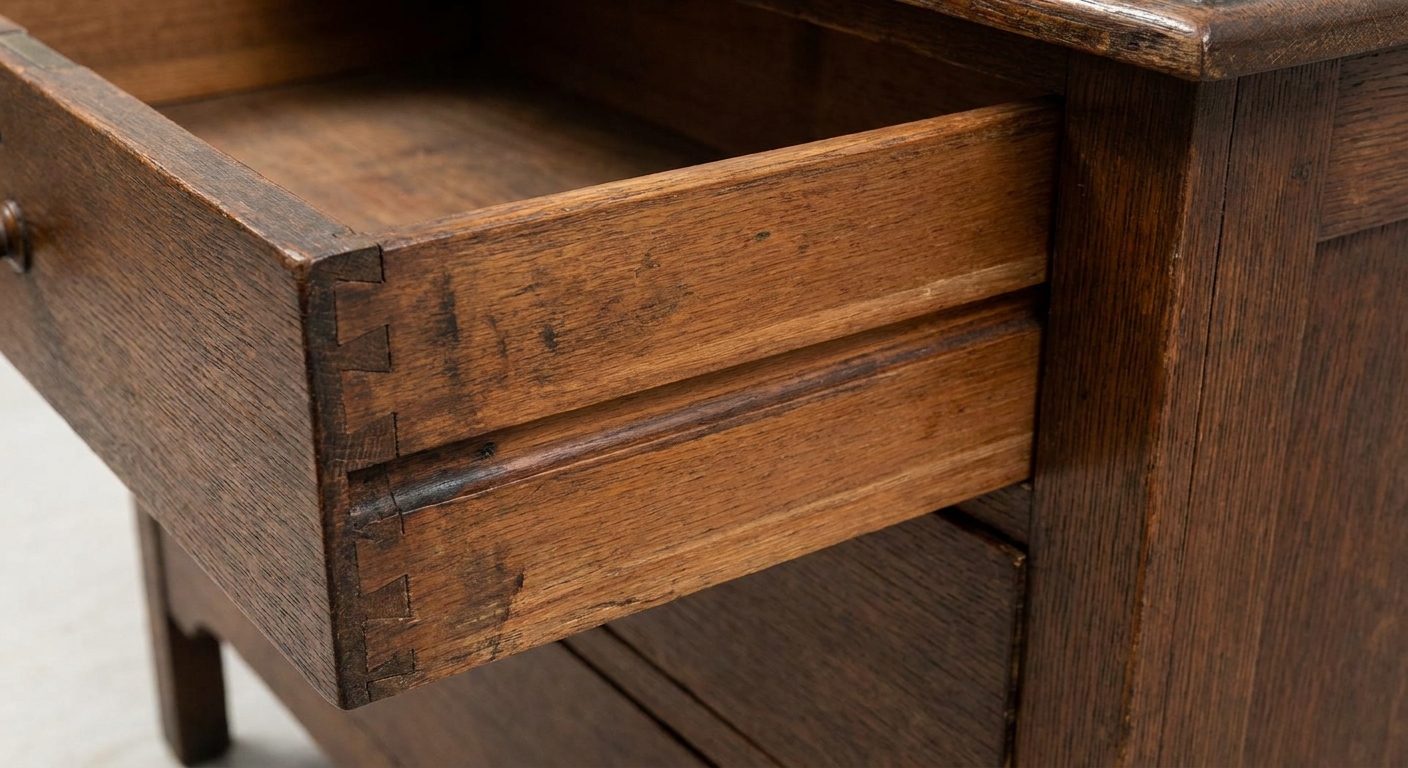
- Construction quality: dovetails, dowels, good plywood, and tight joinery are green flags, but they are not a timestamp. Some authentic mid-century pieces use other joinery, and some newer pieces copy the details.
- Veneer clues: real veneer is common in mid-century furniture and not a dealbreaker. Look for stable edges and minimal bubbling.
- Hardware: original pulls and legs can help value. Missing hardware is fixable, but budget for replacements.
- Smell test: musty odors can linger in upholstered pieces and case goods stored in damp basements. If it smells like “basement couch,” assume you will be cleaning for a while.
- Upholstery safety: check seams, welt cord, and under-cushion areas for pest evidence (tiny black spots, shed skins). If you cannot inspect closely, skip it. No chair is a bargain if it brings roommates.
- Proportions: mid-century pieces often sit lower with clean lines and tapered legs, but not always. Some iconic designs are delightfully boxy. Use proportions as one clue, not the final verdict.
How I plan a hunt
When I am shopping outside the thrift store circuit, I go in with a “yes list” and a “no list.” It keeps me from buying a random chair just because it has cute legs.
My yes list
- One specific gap to fill (example: low storage for the dining room wall).
- Measurements written down, including doorways and stair turns.
- A realistic rehab limit (example: I will refinish wood, but I will not rebuild collapsed frames).
- A transport plan: who is helping, what vehicle I am using, and what time I have to pick up.
My no list
- Swollen particle board and water-blown edges.
- Active insect damage.
- Upholstery I cannot inspect or quarantine, especially if it is going straight into a bedroom.
- Anything too precious to use. Mid-century style should feel lived-in, not fragile.
Once you get the furniture home, styling is where it starts to feel personal. If you are building a wall with thrifted art around a new score, this will help: Mid-Century Modern Gallery Wall. And if your windows are still stuck in “builder basic,” I have ideas here: Mid-Century Modern Window Treatments.
Final thought
My grandparents’ 1960s home taught me early that mid-century pieces were built for real life: homework at the dining table, naps on the sofa, scuffs that turned into stories. When you hunt in the overlooked local spots, you are not just bargain shopping. You are rescuing the kind of furniture that was meant to last.
If you want more thrifting strategies and the kinds of finds I prioritize, you can browse the rest of the collection here: Vintage Hunting & Thrifting.