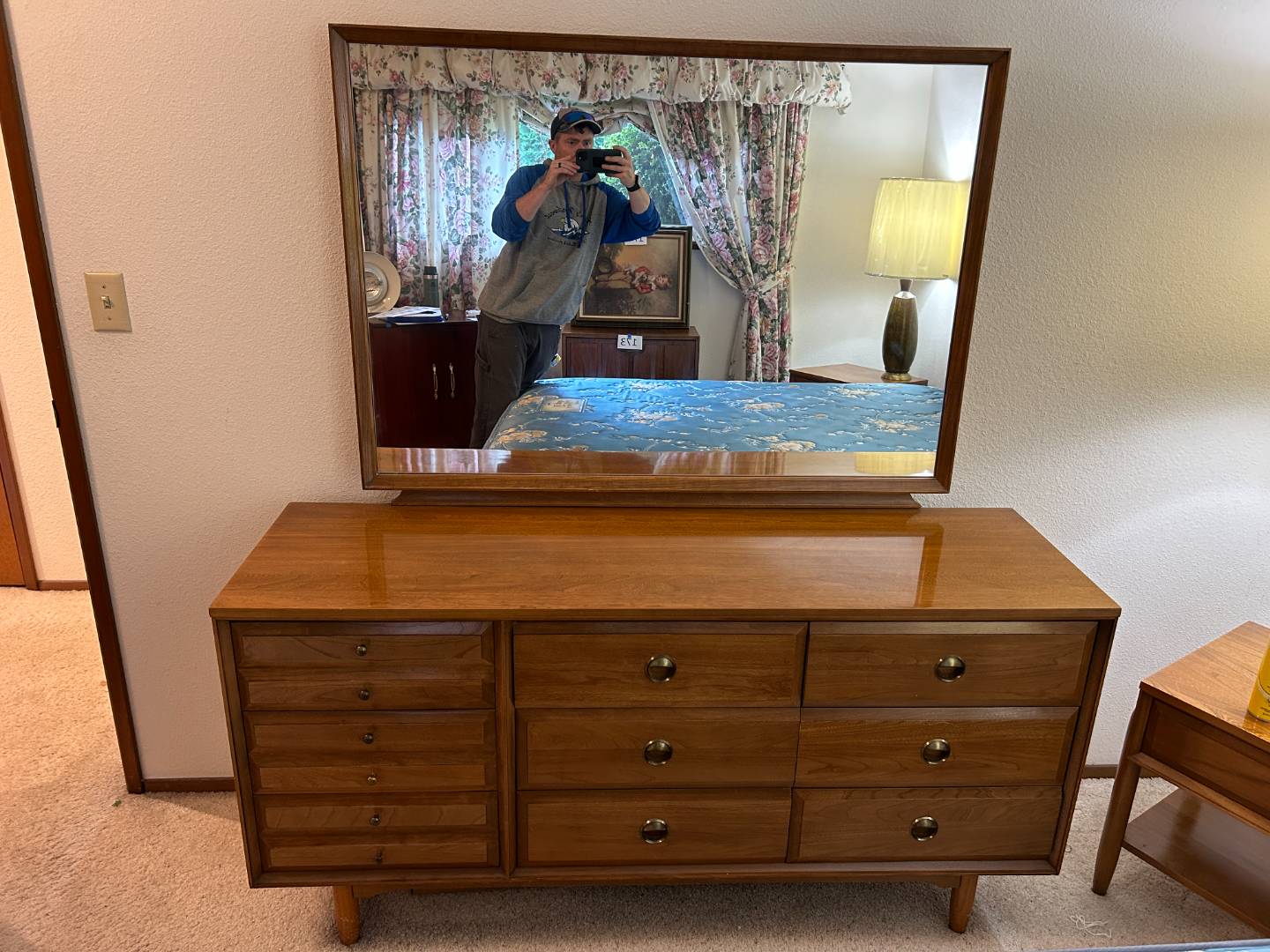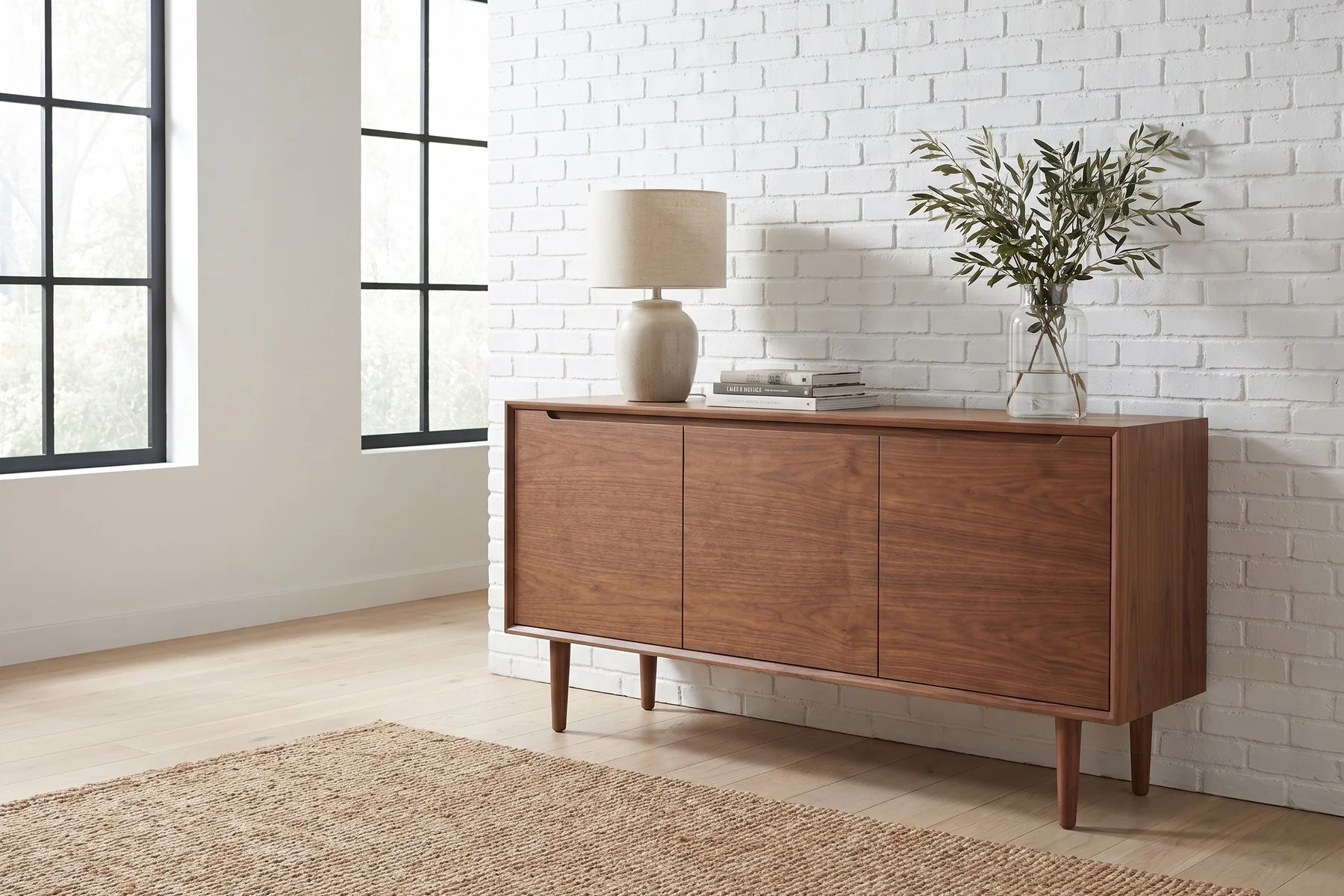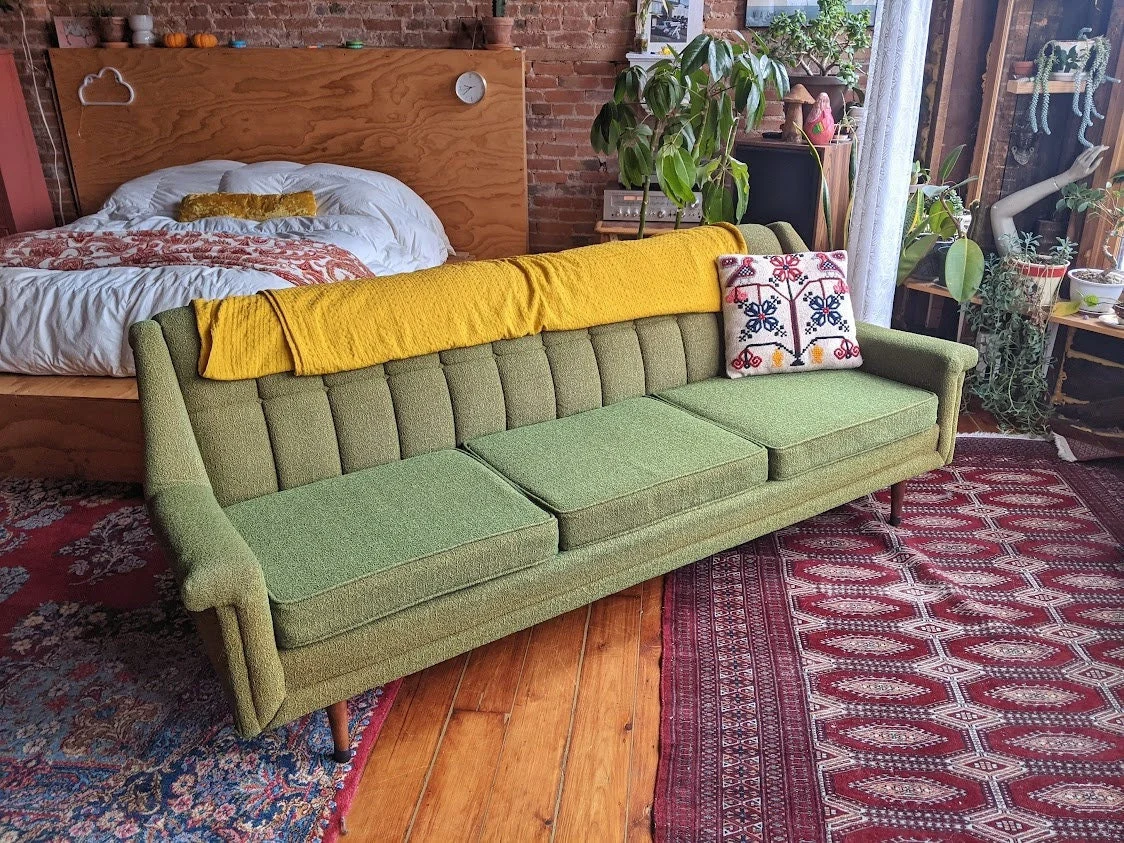

The best mid-century pieces I have brought home did not show up because I typed “mid-century modern” and scrolled for hours. They showed up because someone listed a gorgeous walnut dresser as “old wooden bureau,” or a seller posted a set of dining chairs under “retro kitchen seats.” When you learn to search like a non-collector, Facebook Marketplace suddenly feels a lot less picked over.
This is my real-world approach: use broader era language, mix in a few strategic misspellings, and set alerts that do the scrolling for you. It is not about tricking the app. It is about meeting the average seller where they are.
Why the good stuff gets buried
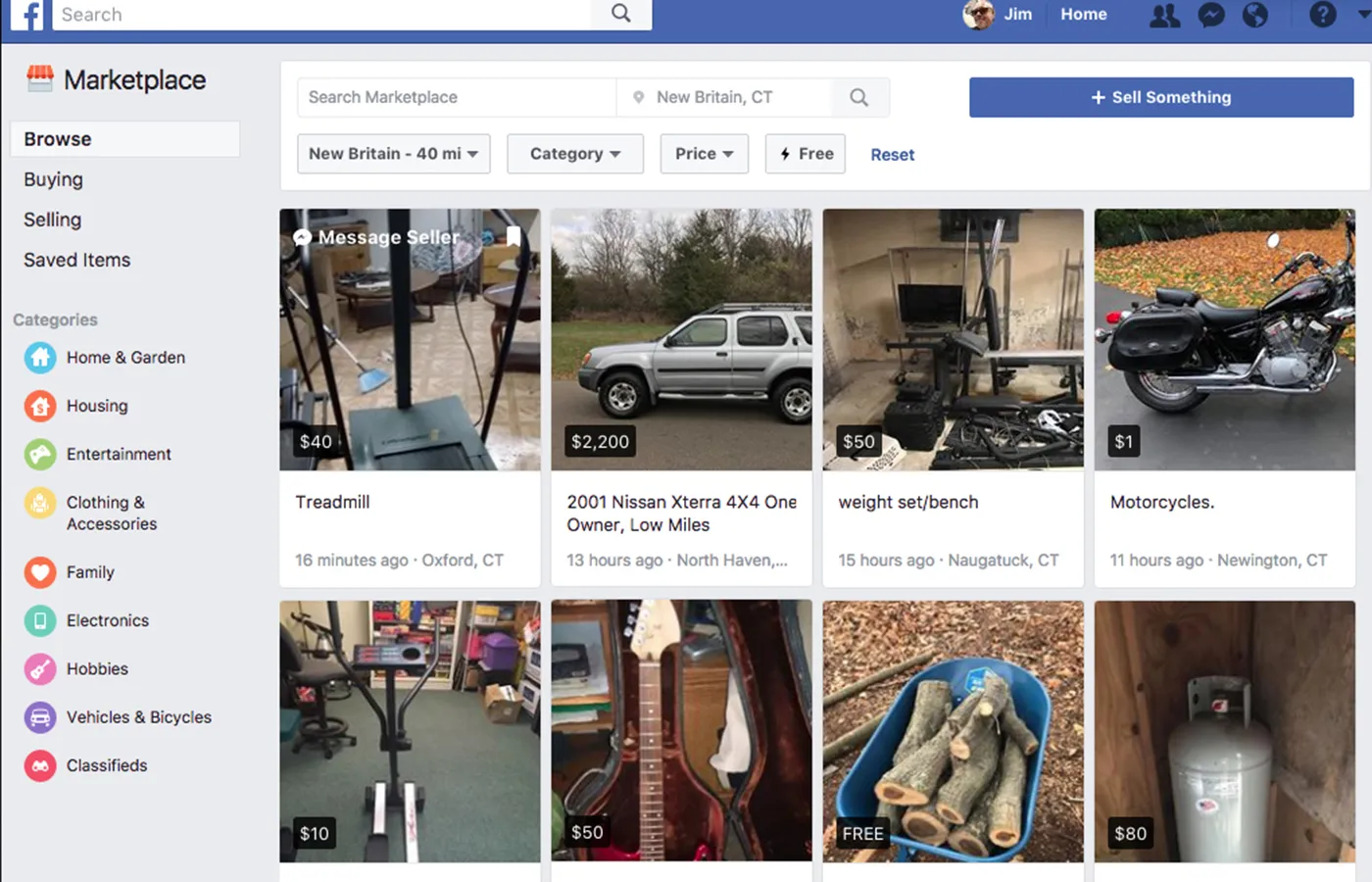
In my experience, Marketplace can sometimes feel like a keyword game, even if we cannot see exactly how Facebook ranks results. Sellers use whatever words pop into their heads, and those words are not always “MCM,” “Danish,” or “Eames.” Meanwhile, serious shoppers tend to search the same polished terms, which means the obvious results get competitive fast.
Your advantage is simple: search like someone clearing out a basement, not like someone curating a design book.
- Most sellers describe function first (dresser, cabinet, lamp) rather than style.
- They guess the era (50s, 60s, 70s, retro, vintage) and sometimes guess wrong.
- They keep titles short, so you have to be flexible.
- They do not always know brand names, and when they try, spelling can get creative.
My go-to strategy
Start broad, then add one clue
I start with the plainest, most honest description of what I need, then add one detail that a casual seller might include. For example, I might begin with walnut dresser, then refine with one feature like tall or brass pulls. The point is not to build a perfect phrase. The point is to nudge results toward the right photos without boxing yourself in.
One of my favorite finds happened this way: I was looking for a credenza, but a seller called it a TV stand. Same low, long shape, same sliding doors, and the price stayed reasonable because it did not have the buzzword tax.
Use materials and features
If I only have time for a few passes, I lean on wood species and construction clues, because those tend to show up in listings even when “mid-century” does not. I keep a short rotation, then let the photos confirm the vibe.
- Teak or walnut
- Sliding doors or tambour
- Cane or rattan
I will also sprinkle in details like brass hardware or rosewood in a second pass if I am not seeing much, but I try not to over-complicate it.
If you want more context for what you are looking at once you find it, I keep my styling notes practical in How to Style a Mid-Century Credenza With Vintage Decor.
Think in categories
Instead of trying to nail the perfect design term, I think in entry points: storage, tables, lighting. Then I choose plain words that pull the right shapes.
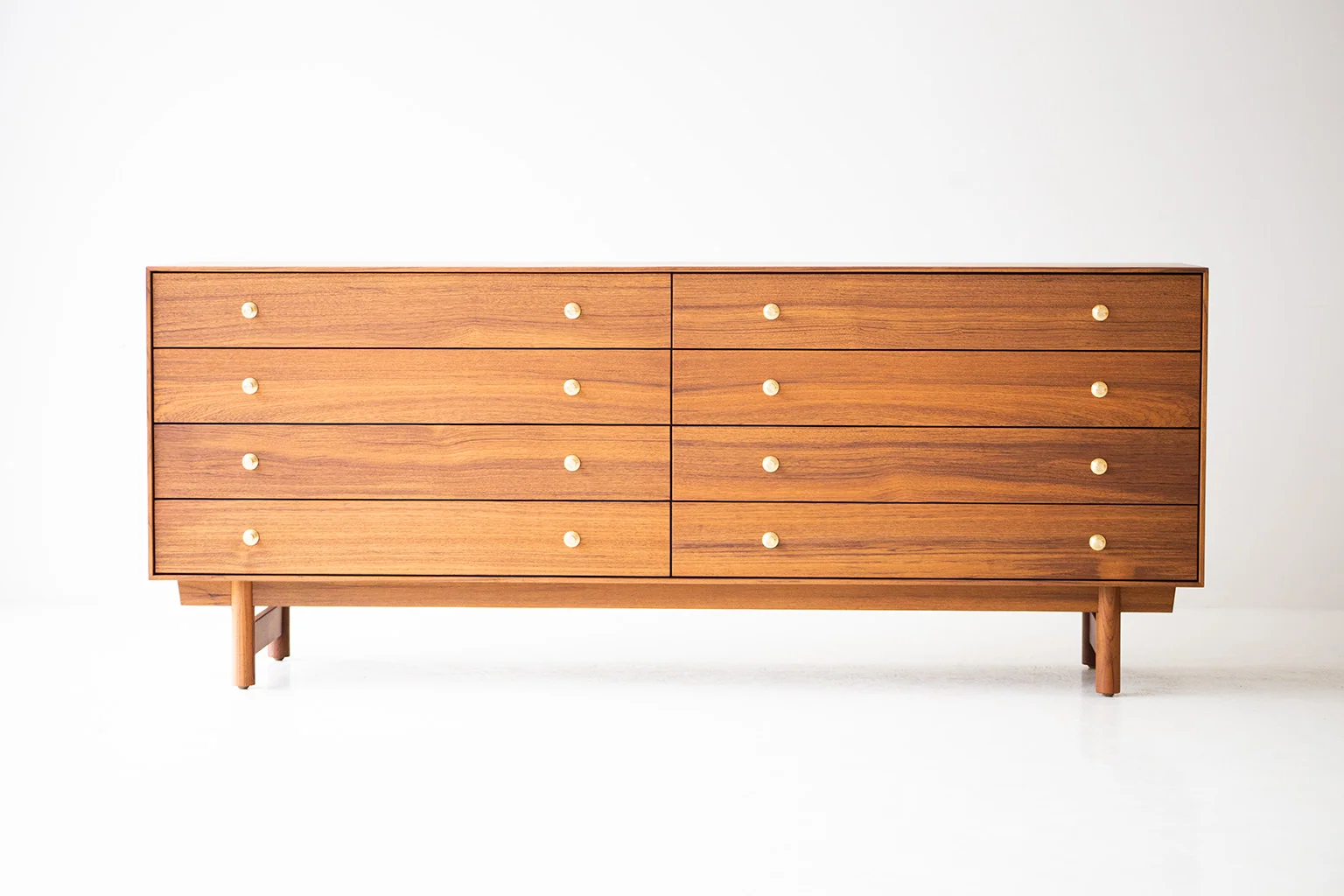
- Storage: sideboard, buffet, cabinet, TV stand (these can surface long, low pieces that were simply renamed for modern use)
- Tables: coffee table, end table, tapered legs, curved table (some sellers also use “boomerang” for that kidney-style shape)
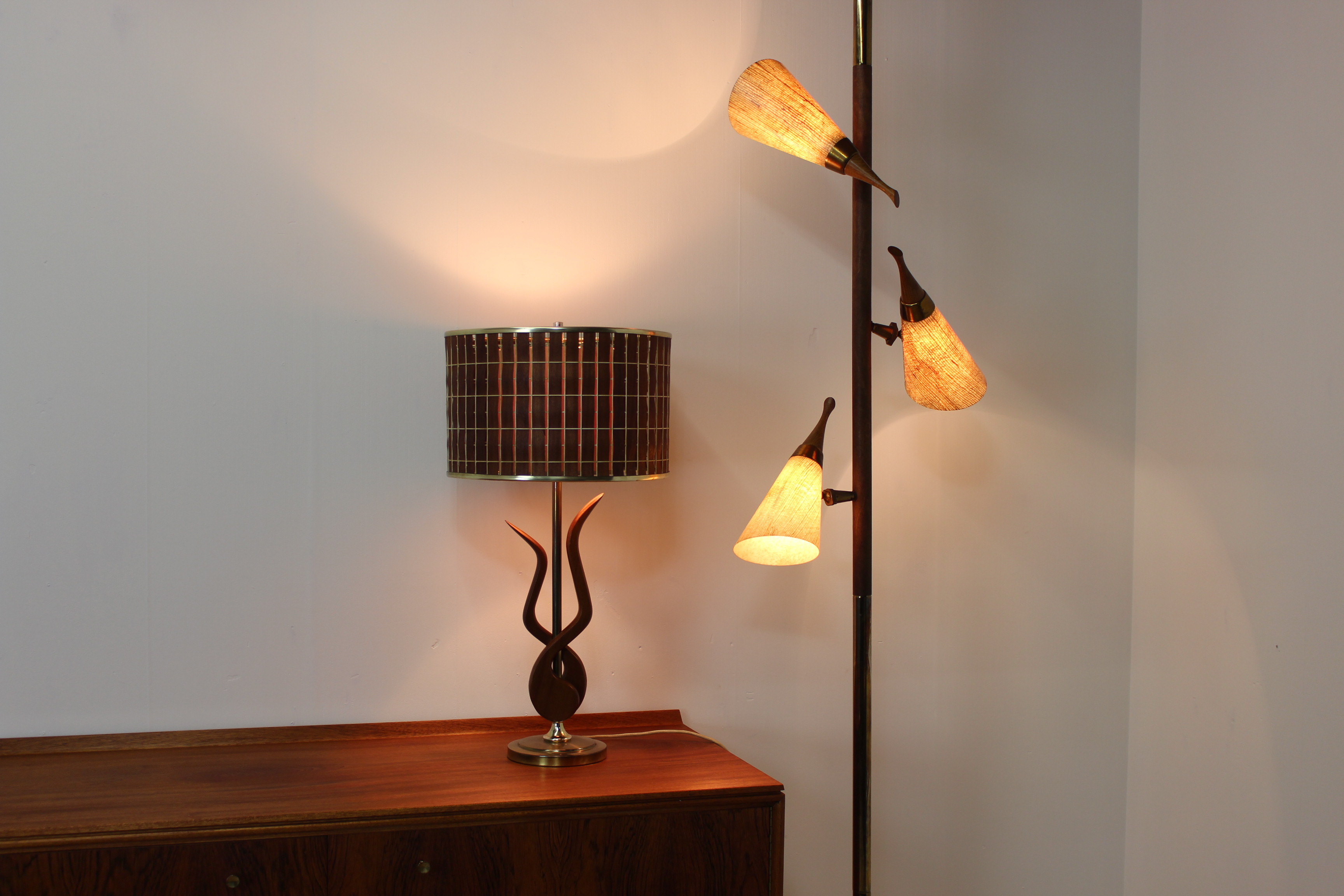
- Lighting: sputnik, tension pole lamp
If you are mixing metals as you collect lamps and hardware over time, Mixing Brass, Copper, and Chrome in Mid-Century Modern Style can help you keep the room intentional.
A quick example from real life
My best “how did nobody else grab this?” find was listed as old TV cabinet. The photos showed tapered legs and those long, clean proportions that read mid-century immediately. Before I drove over, I asked two things: dimensions (so I knew it would fit my wall) and a quick photo of the back and inside (to check for water damage and confirm it was not flimsy particleboard). It was solidly built, the drawers ran smoothly, and it came home with me that night.
Misspellings worth trying
This is where some hidden listings live, but I keep it simple. Misspellings are a tool, not a lifestyle. If a variation brings you junk results, drop it and move on.
My short list
- Scandinavian: scandanavian (extremely common)
- Credenza: credensa
- Nightstand: night stand
- Armchair: arm chair
- Buffet: bufet
On designer names
I do search designer names sometimes, but I treat them as a bonus pass, not my main strategy. They attract competition fast, and the names get used loosely. “Noguchi table,” for example, is sometimes used as shorthand for any glass coffee table, even when it is not.
Saved searches and alerts
Set alerts. The practical reality is that well-priced pieces sell quickly, and alerts help you see listings before they get passed around in group chats.
My setup
- Create 5 to 10 saved searches based on what you actually need. I keep at least one for case goods (dressers or sideboards), one for tables, and one for lighting.
- Duplicate one or two with a misspelling, like “scandanavian” or “credensa.”
- Keep the radius realistic. For small decor, I go tighter. For case goods like dressers, I go wider because the right piece is worth a drive.
- Check at different times. I tend to see fresh listings when people are off work or winding down at home, but it varies by area. If you are not seeing much, experiment for a week and notice your pattern.
Filters and browsing tricks
Search with and without a max price
I toggle between “no max” and a max price that matches my real budget. Some sellers start high and later reduce the price, and I like those pieces in my orbit before the drop.
Focus on pickup for big pieces
Marketplace does offer shipping and delivery options in some areas, but large furniture is often listed for pickup. If you focus on furniture categories and add material terms like teak or walnut, you naturally filter out a lot of reseller clutter.
Go photo-first when titles are useless
If I am not finding anything, I search one broad word like “cabinet” and scan photos for tapered legs, sculpted pulls, bookmatched veneer, and the low, horizontal proportions mid-century is famous for. It is slower, but it finds the weird listings titled “Nice cabinet.” If your app shows a “newly listed” sort option, that can make this approach feel a lot less endless.
Quick ID clues
You do not need to be a walking encyclopedia, but a few tells help you avoid heartbreak. These are heuristics, not laws, so I like to see several clues lining up before I get too excited.
Photos to zoom in on
- Legs: tapered, splayed, or sculpted legs are often a good sign.
- Joinery: clean corners, quality drawer boxes, and consistent veneer grain can suggest better construction.
- Hardware: integrated pulls and simple wooden finger pulls are common mid-century tells. Brass shows up a lot too, but it is not exclusive to the era.
- Back and underside: look for overall sturdiness, not just a pretty front.
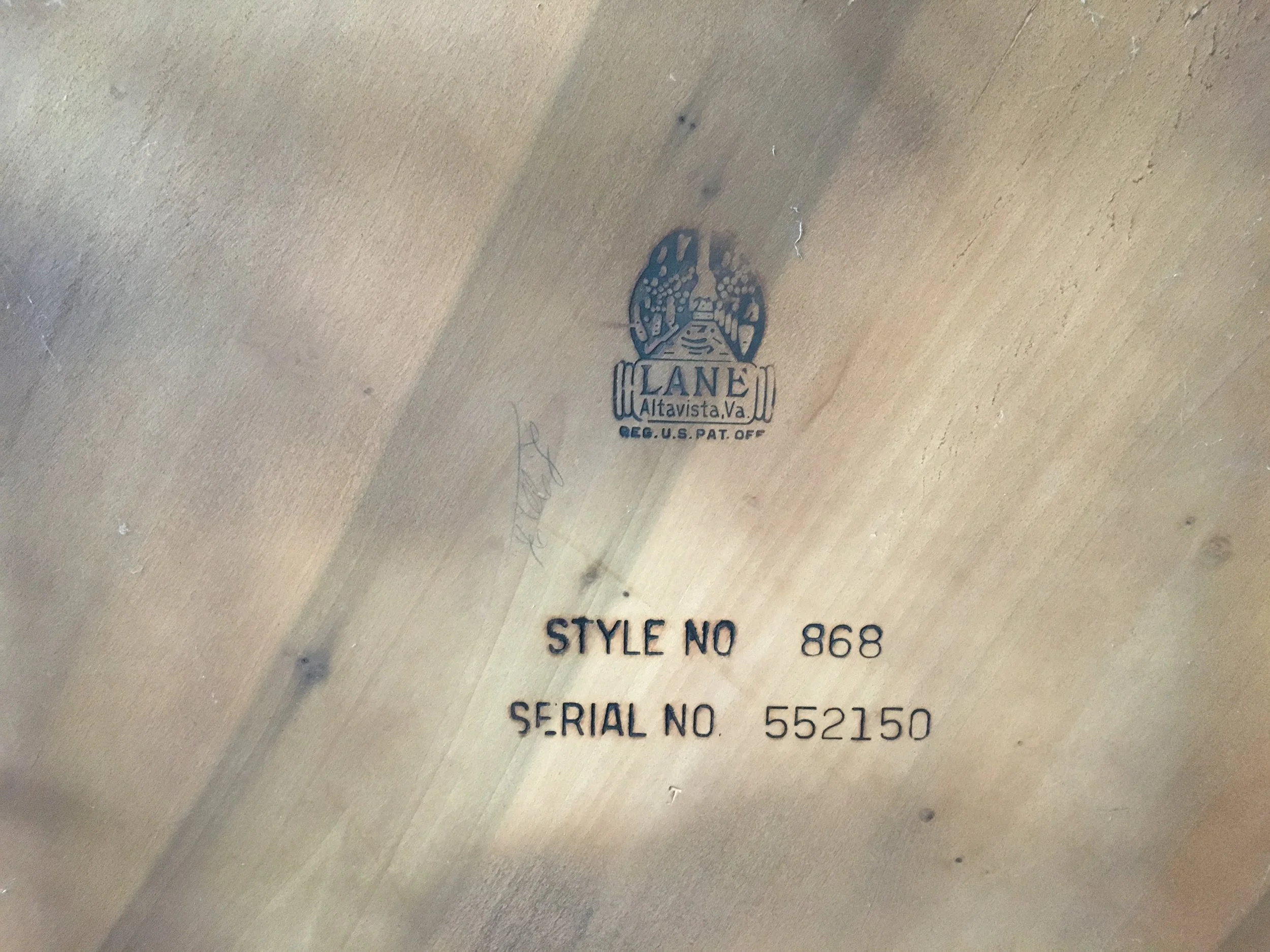
- Labels and stamps: ask for a photo inside a drawer, on the back, or underneath.
One note I wish someone had drilled into my head earlier: veneer is not automatically bad. Plenty of great mid-century furniture is veneer over stable substrate. What worries me is bubbling, lifting, missing chunks, or swelling from water.
If you do spot a mark, my deep-dive is here: Mid-Century Maker Marks, Tags, Stamps, and Serial Numbers.
Words that should slow you down
- “MCM style”: often modern reproductions. Not always bad, but price should reflect that.
- “Needs TLC”: ask what kind of TLC. Finish wear is one thing. Swelling and broken joints are another.
- “Solid wood”: sometimes true, sometimes a misunderstanding of veneer. Ask what wood and where.
Safety and pickup basics
This is the unglamorous part, but it is how you keep a good deal from turning into a bad day.
- Avoid deposits: I do not send money to “hold” an item unless I know the seller personally. First come, first served is normal.
- Check the profile: a brand-new account with no history is not automatically a scam, but it does raise my caution level.
- Keep payment simple: use whatever method you are comfortable with, and do not let anyone rush you into something that feels off.
- Meet smart: for small items, I prefer a public place. For furniture pickup, bring another person if you can.
- Measure twice: measure the piece, then measure your doorways, stairs, elevator, and vehicle opening. A “great deal” that will not fit is still a no.
- Quick inspection on pickup: wobble, drawer glide, veneer lifting, water damage, and odors. I also check that all drawers are actually there and functional, and I pay attention to smoke or pet smells because they are hard to undo.
Transport prep
I keep a basic kit in the car so pickup day is not a scramble: a tape measure, moving blankets, a couple of straps or bungee cords, and a screwdriver in case legs or hardware need to come off for the ride home.
If you are buying anything upholstered, please do yourself a favor and read Buying Vintage Mid-Century Upholstered Furniture: What to Check before you commit.
Messages that get answers
When a good listing pops up, I keep my messages short, specific, and easy to answer.
- Availability: “Hi. Is this still available? If so, what times today or tomorrow work for pickup?”
- Dimensions: “Could you share the width, depth, and height when you have a moment? I want to make sure it fits.”
- Condition check: “Any veneer chips, water rings, or drawer issues I should know about?”
- Maker mark request: “If you see any label or stamp inside a drawer or on the back, could you snap a quick photo?”
- Polite hold: “I can come this evening. If you are comfortable holding it until 6 pm, I will confirm and be there on time.”
Offer etiquette
If I am making an offer, I keep it respectful and specific: “Would you take $X if I can pick up today?” If something is already priced fairly and the seller is responsive, I often just pay the ask. The fastest way to lose a great piece is to nickel-and-dime a reasonable listing.
If Marketplace is slow
Sometimes your local feed is genuinely dry. When that happens, I treat Marketplace as one tool in a bigger thrifting routine.
- Check the overlooked local sources in 7 Overlooked Local Spots to Score Authentic Mid-Century Modern Furniture.
- Keep a running list of what you are hunting, including max dimensions and must-have features, so you can say yes quickly when the right piece appears.
- Do not be afraid of imperfect finishes on quality pieces. A good teak or walnut case piece with honest wear is often a smarter buy than a flimsy perfect-looking reproduction.
For more thrifting tips that pair well with this approach, browse Vintage Hunting & Thrifting.
FAQ
Should I search “mid century” or “mid-century modern”?
I do both, but I rely more on materials and furniture types. “Mid century” can catch casual listings. “Mid-century modern” catches the listings everyone else sees.
Is it worth searching for designer names?
Sometimes, but it can bring more competition and more mislabeling. I use designer searches as a final sweep, not my main strategy. Construction details and maker marks tell you more than a title ever will.
How do I avoid overpaying for something labeled MCM?
Ask for dimensions, condition details, and photos of the underside or inside drawers. If the seller cannot answer basic questions, or the piece looks lightweight with stapled-on “style” legs, I negotiate hard or move on.