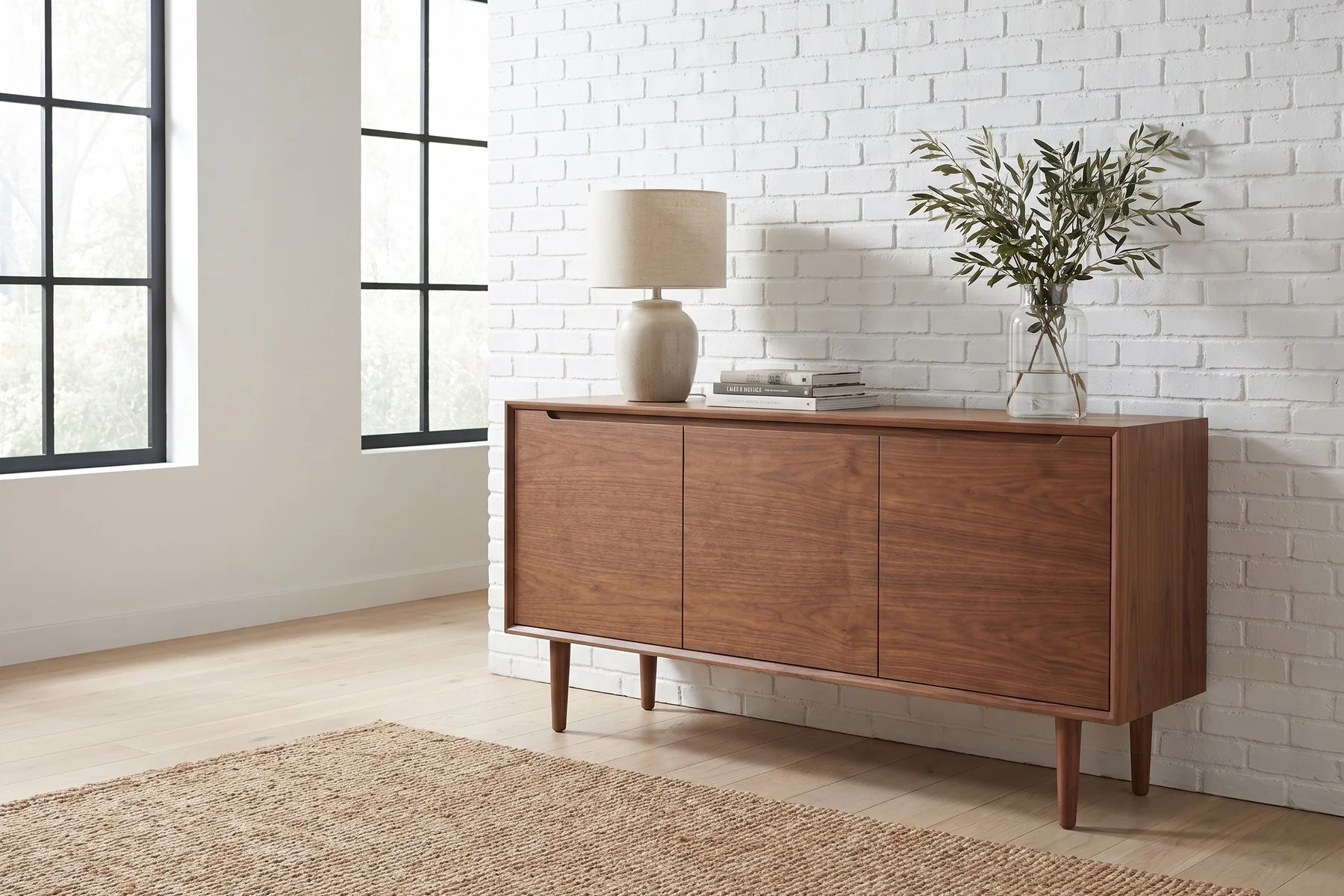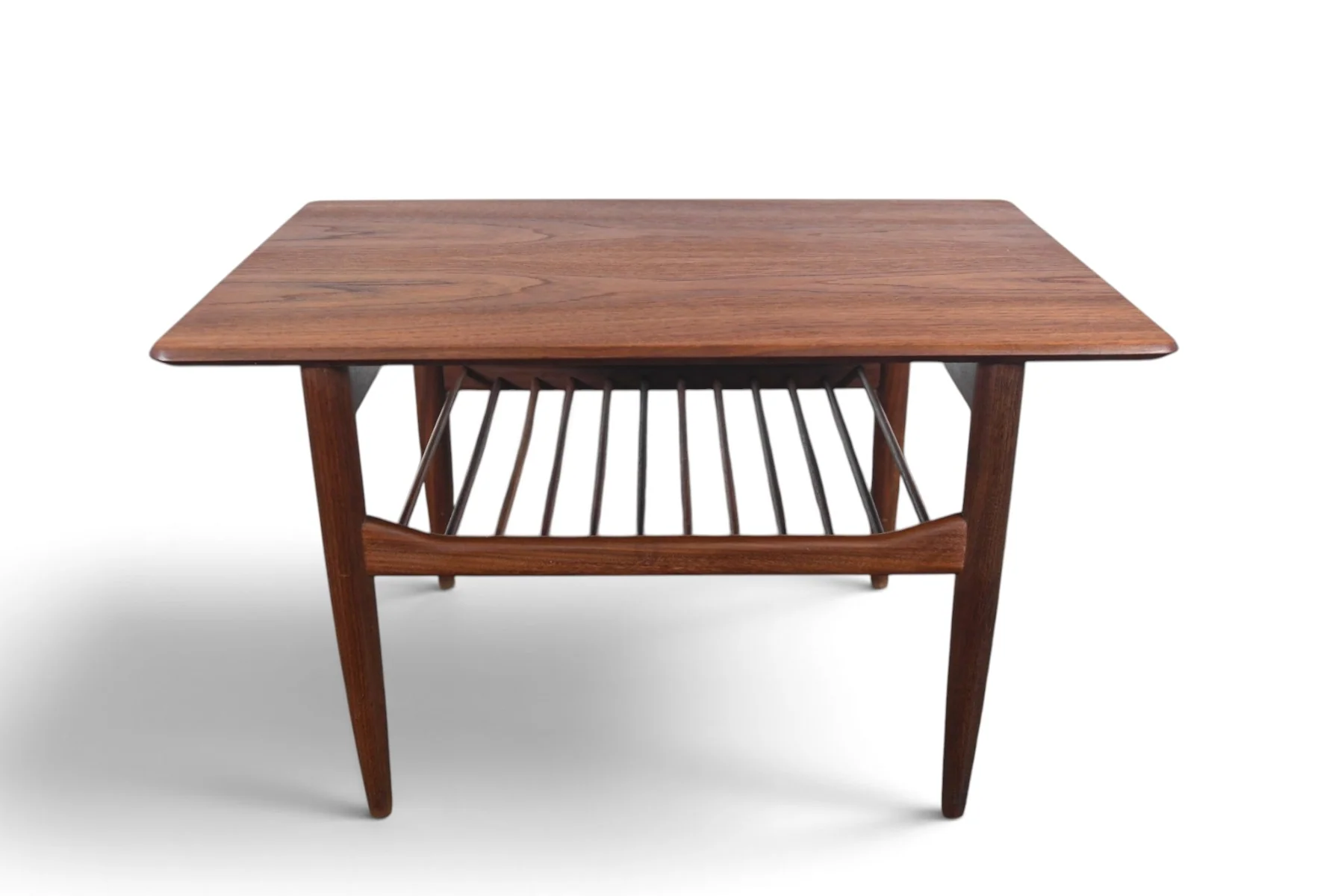

I learned to haggle at flea markets the way I learned to refinish teak: slowly, politely, and with a healthy respect for the person who did the work before me. My grandparents’ 1960s living room had that quiet confidence only real walnut and time can give, and now, after a decade of estate sales and early morning market runs, I can tell you this: the best deals rarely come from being pushy. They come from being prepared.
Below are my go-to negotiation tactics for scoring mid-century modern furniture and decor without offending the independent dealers who haul, clean, price, and show these pieces every weekend.

1) Walk the whole market before you buy
The first booth sets your expectations. The third booth sets your actual price range. If I am hunting for something common like brass candlesticks, bentwood stools, or a stack of vintage barware, I do one lap before I commit.
- Why it helps your bargaining power: you learn what is abundant versus rare that day.
- What to say: “I’m doing one quick loop, but I’ll circle back.”
- What not to do: loudly announce a cheaper price you saw elsewhere. It reads like a dare, not a conversation.
2) Start with a respectful question, not a number
The easiest way to keep a negotiation friendly is to begin with curiosity. I like to ask a simple opener that gives the seller room to volunteer flexibility.
- Try: “Is this price firm, or is there a little wiggle room?”
- Or: “What’s the best you could do on this today?”
This approach is especially effective on items that are priced a touch aspirational, like a Danish modern mirror, a rosewood-veneered side table, or a pair of fiberglass shell chairs.
3) Know your ceiling price before you touch the piece
My personal rule: decide your maximum while your heart is still calm. Once you are imagining a piece in your entryway, your budget starts getting creative.
If you need a quick reality check, I keep a small notes list on my phone with rough “yes” numbers for categories (lamps, art glass, dining chairs, small casegoods). If you want a deeper method for sanity checking vintage pricing, my walkthrough is here: How to price check vintage mid-century thrift finds.
4) Use condition as your negotiation language
Dealers hear “too expensive” all day. They respond better to specific condition issues that will cost you time or money to fix.
When I haggle, I point to one or two concrete things and stop there:
- Missing finial, shade, or harp on a lamp
- Loose joints or a wobble in a chair
- Veneer chips, bubbling, or water rings on a tabletop
- Cracks in ceramic, crazing, or repairs
- Drawer drag, missing pulls, or misaligned runners
What to say: “I love it, but the veneer chip on the edge means I’ll have to patch and tone it. Would you take $___?”
5) Bundle like a pro (and make it easy to say yes)
Bundling is the most dealer-friendly way to negotiate because it increases their total sale and reduces what they have to pack back up.
I look for natural bundles:
- Two to four matching glasses
- A group of small ceramics
- A pair of lamps, even if shades differ
- Multiple picture frames or wall art pieces
My line: “If I grab the set, what could you do for all of them together?”
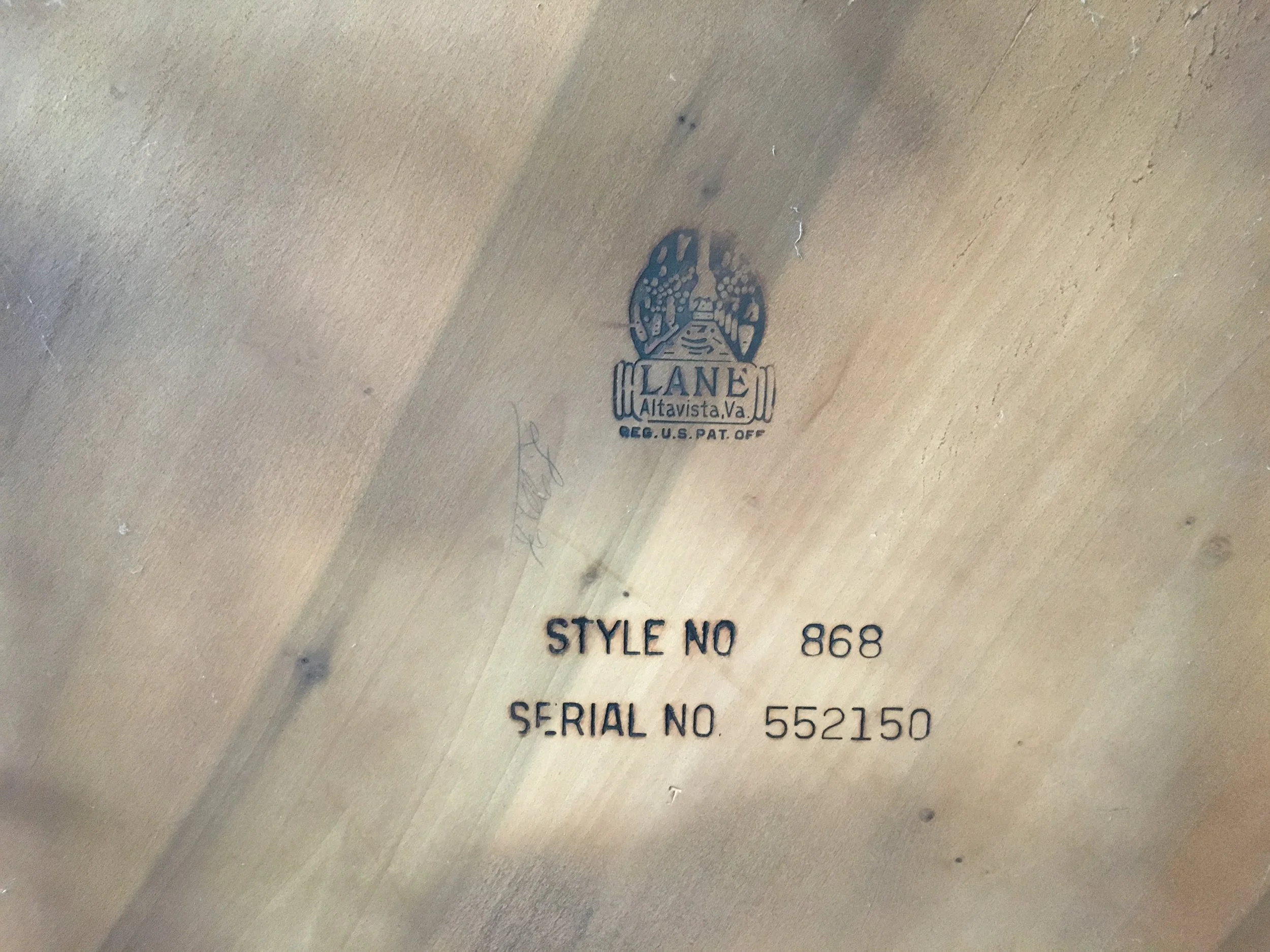
If you are also building your knowledge around identifying makers, it helps to know when bundling is a steal versus a risk. This guide can save you from overpaying for a look-alike: Mid-century maker marks, tags, stamps, and serial numbers.
6) Offer a clean number, and offer it once
Haggling feels awkward when the numbers get fussy. I avoid oddball offers like $37. I offer a clean number that feels intentional and fair.
- If it is marked $60 and I think $45 is fair, I offer $45 and pause.
- If it is marked $100 and I realistically want to land at $80, I offer $75 and see what comes back.
Then I stop talking. Silence is not rude. It is simply giving the seller space to consider.
7) Time your ask, but do not wait too long
There is a sweet spot:
- Early morning: best selection, least flexibility (especially on standout MCM furniture).
- Midday: solid chance to negotiate on “nice but not rare” items.
- Last hour: best discounts, highest risk it is already gone.
If the piece is genuinely special, I would rather pay a fair price than lose it over a $20 standoff. If it is common, I will gamble a little later in the day.
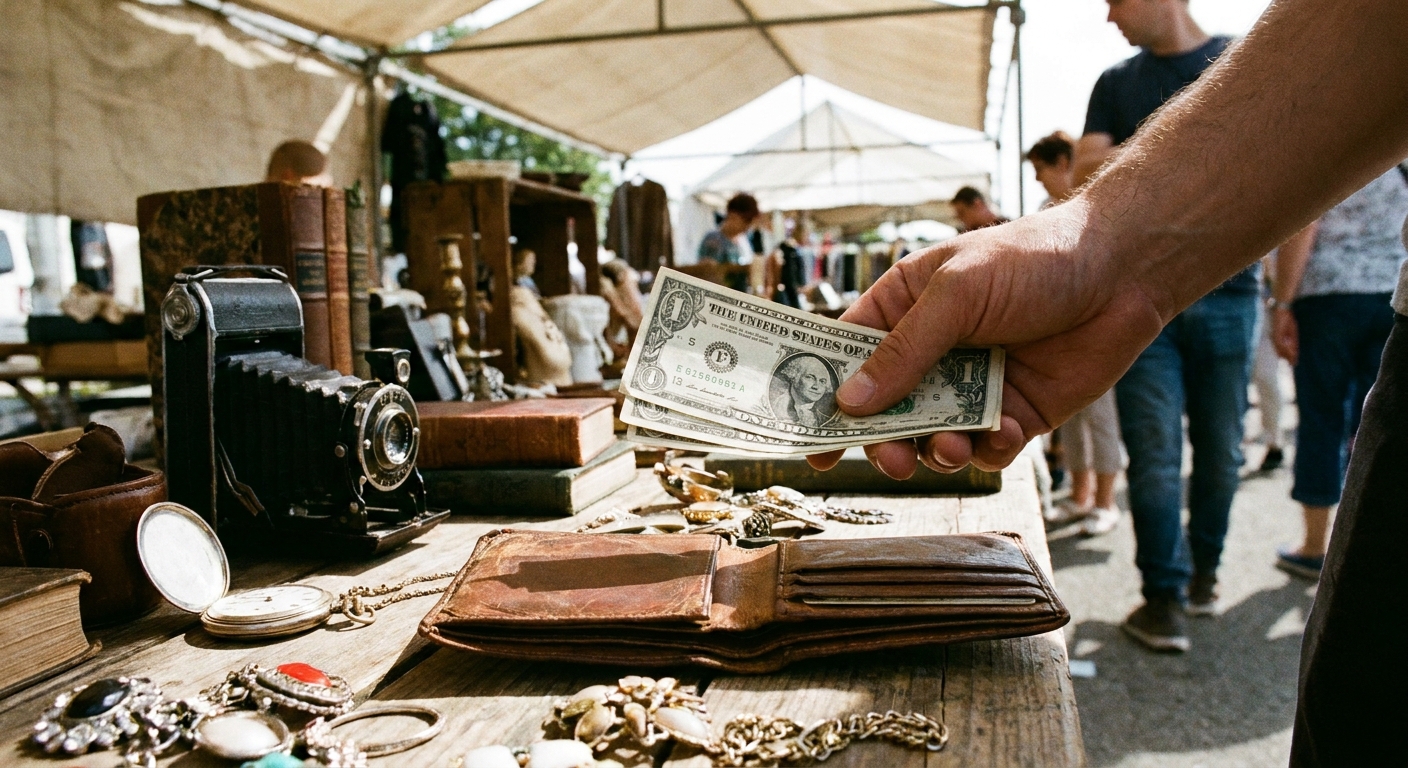
8) Bring cash, and make it visible without being flashy
Cash is not a magic wand, but it does remove friction. I keep small bills so I can say, “I can do $60 cash right now,” without making it a production.
Important: never imply cash means “off the books.” Keep it simple and polite. You are offering convenience, not a wink-wink situation.
9) Learn a few “do not say this” phrases
I have heard these lines in the wild, and they almost always sour the mood:
- “I saw one cheaper online.” (Then buy that one.)
- “This is just old.” (Age is literally the point.)
- “Can you do half?” (Sometimes it works, but it often reads as disrespectful.)
- “What’s your lowest?” (It puts the seller on defense.)
Instead, I aim for “I’m at $___ today because of ___.” It is honest, it is specific, and it keeps the conversation human.
10) Inspect quickly, then commit
Nothing kills goodwill like negotiating hard and then doing a ten-minute forensic investigation after the seller agrees. Do your check first, then make your offer, then follow through.
My 60-second flea market inspection
- Wood furniture: run your fingers along edges for veneer lift, look for ring marks, check for wobble, and peek underneath for repairs.
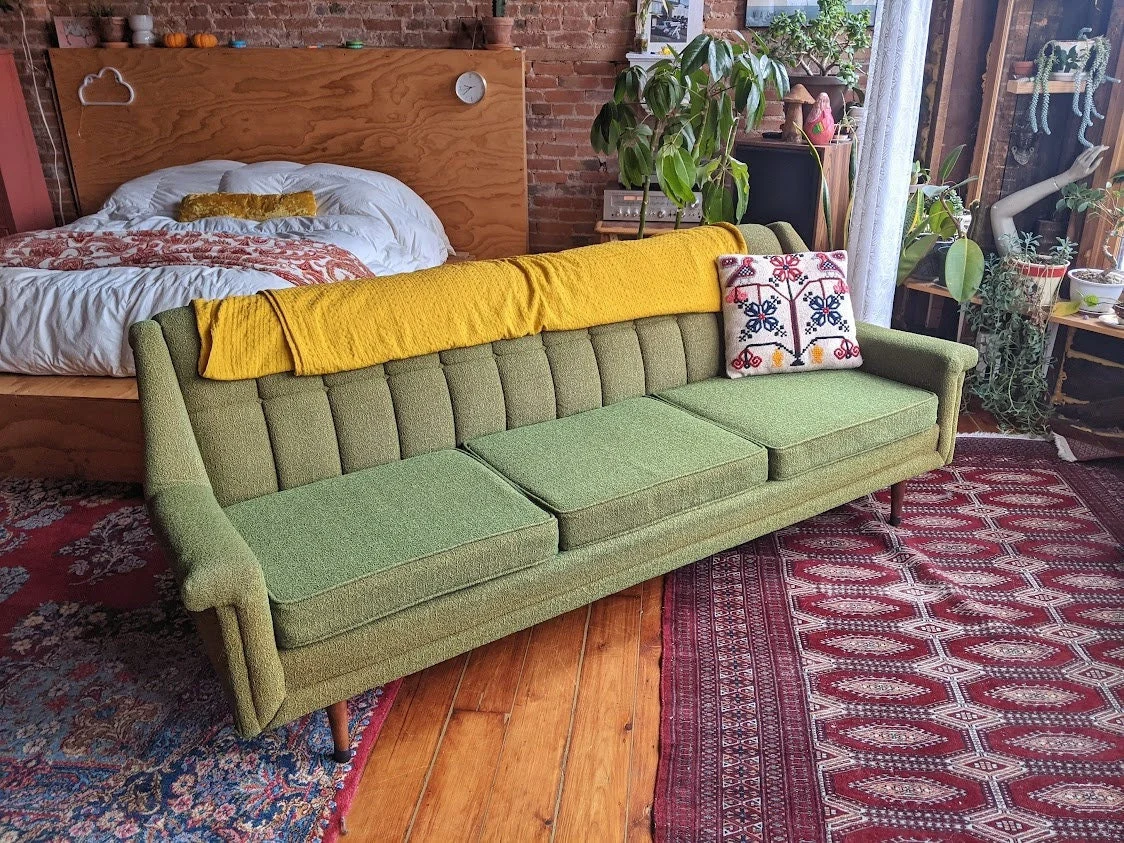
- Upholstery: sniff test for smoke or mildew, check seams and piping, press cushions for breakdown, and look at the underside dust cover.
- Lamps: gently wiggle socket, inspect cord brittleness, and check that the switch works if power is available.
- Glass and ceramics: tilt under light for hairline cracks and feel the rim for chips.
If upholstered pieces are your weak spot, this is the checklist I use before I hand over money: Buying vintage mid-century upholstered furniture: what to check.
A few negotiation scripts I actually use
- Friendly opener: “Hi, I love this. Is the price firm?”
- Condition-based offer: “The chair is beautiful, but the joint is loose. Would you consider $___?”
- Bundle offer: “If I take all three, what could you do for the set?”
- Budget boundary: “I totally understand. I’m capped at $___ today, but thank you.”
- Hold request (only if you mean it): “Could you hold this for 20 minutes while I grab cash from my car?”
Where flea markets fit in your vintage hunting mix
Flea markets are my favorite place to practice negotiation because the atmosphere is social, fast-moving, and full of smaller-ticket items that teach you price instincts. I still mix them with estate sales and other sources depending on what I’m hunting. If you want a broader strategy for finding MCM pieces in the wild, start here: Vintage hunting & thrifting and Estate sales for mid-century modern decor.
The goal is not to “win” a haggle. The goal is to pay a fair price, walk away proud, and keep the relationship between buyer and seller warm enough that next time they see you coming, they smile and say, “I saved something you might like.”