
The fastest ways to make a mid-century modern room feel “done” is to anchor it with the right rug. I learned this the hard way in my 1958 ranch house: I had the walnut credenza, the low-slung sofa, even a little atomic lamp glow, and the room still felt like it was floating. The moment I slid a rug under the front legs of the seating, everything snapped into place. The rug did not just cover the floor. It connected the shapes, warmed up the wood, and quietly told your eye where the room begins and ends.
This guide breaks down three rug personalities that play especially well with MCM decor: shag, geometric, and minimalist. I will also walk you through sizing, color choices, and the small practical details that keep a rug from fighting your furniture.
Start with the job your rug needs to do
Before you pick a pattern, decide what you want the rug to solve. In most mid-century rooms, the rug is doing one or two of these jobs.
- Zone an open layout: It creates a “conversation area” so your furniture reads as a set, not a scatter of pieces.
- Soften hard surfaces: MCM homes love wood, tile, terrazzo, and concrete. A rug keeps all that hard shine from feeling chilly.
- Bridge eras: If you mix vintage with modern basics, a rug can be the mediator that makes it look intentional.
- Balance wood tones: Walnut and teak are gorgeous, but a room can skew very brown very fast. A rug is your chance to add color without repainting a wall.
If your room feels busy already, your rug’s job is often to calm things down. If your room feels flat, the job is to add energy. That simple question will steer you toward the right category.
Three rug styles that work in mid-century rooms
1) Shag rugs: cozy, playful, and a little glamorous
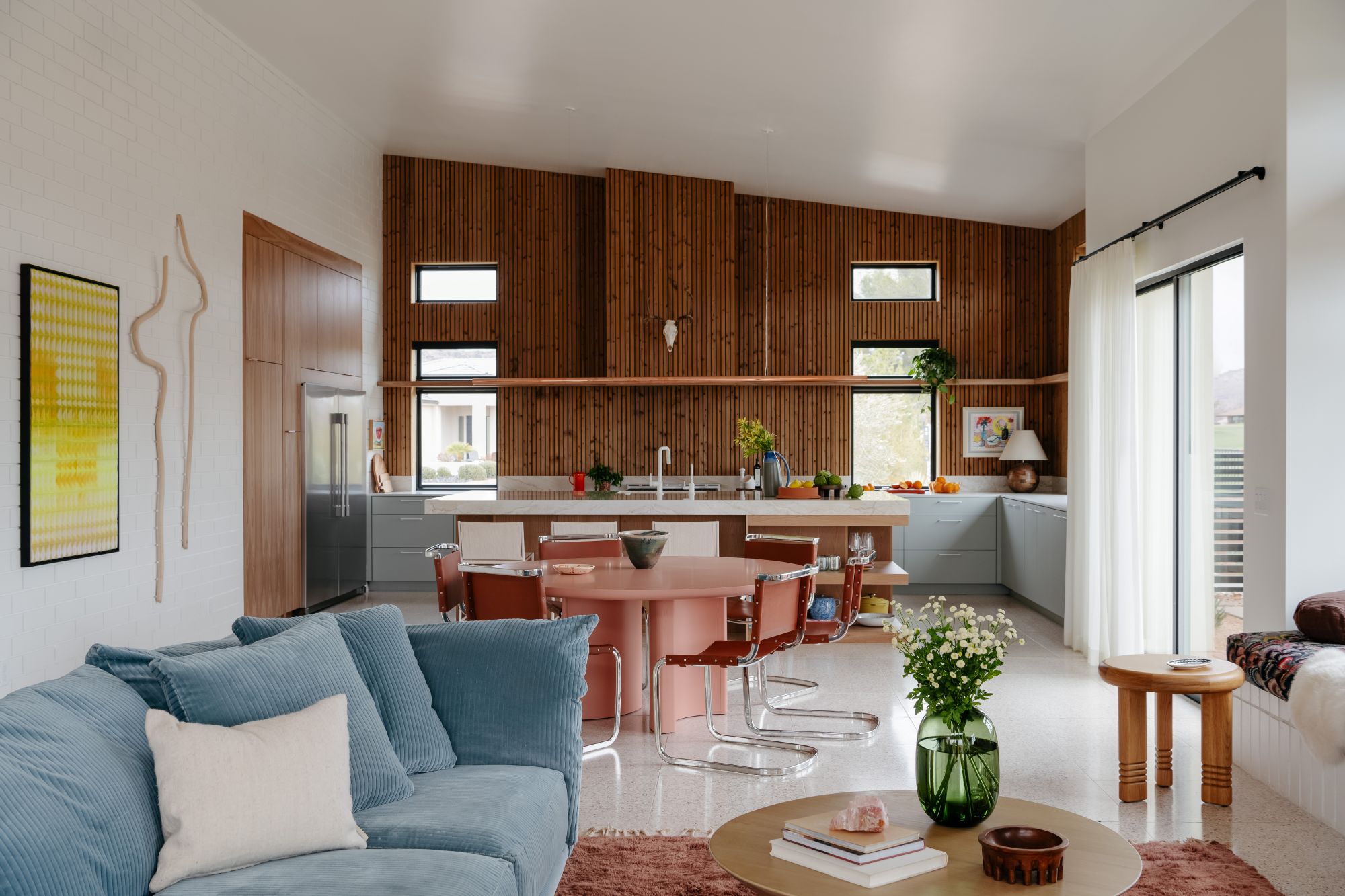
Shag is pure mid-century attitude, and it tends to read as ’60s and ’70s without you needing to lean into a full-on time capsule. In my experience, shag works best when your furniture silhouettes are clean and leggy, because the texture fills in the negative space underneath.
When shag is the right choice
- Your room has lots of straight lines and needs softness.
- You want a “lounge” feel, especially in a den, basement, or TV area.
- Your palette is simple and you want texture to do the heavy lifting.
Color tips for shag
- Warm neutrals: oatmeal, cream, camel, and soft tan often make walnut look richer, not heavier.
- Golden and earthy tones: mustard, rust, and olive are classics with teak.
- Use saturated color carefully: a bold shag can dominate, so repeat that color in one or two smaller accents (a pillow, pottery, or art) and stop there.
Practical notes
- Shag shows crushing from furniture legs, so use quality rug pads and rotate the rug every few months if you can.
- If you have pets or allergies, consider a lower pile shag or a “shag look” with a slightly tighter twist.
If you love a 1970s vibe, you will also enjoy the mood in this retro den makeover, where texture is doing a lot of design work.
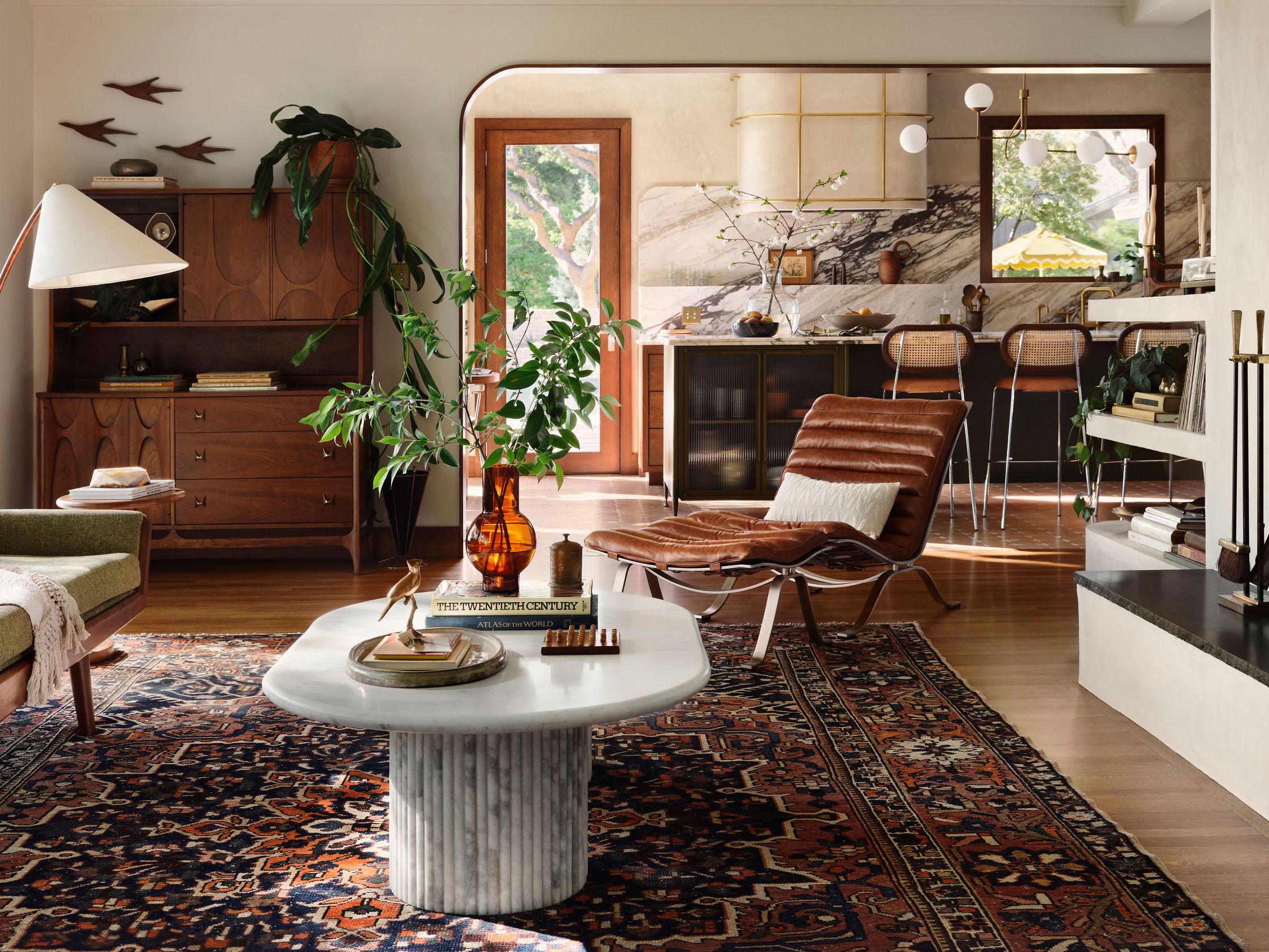
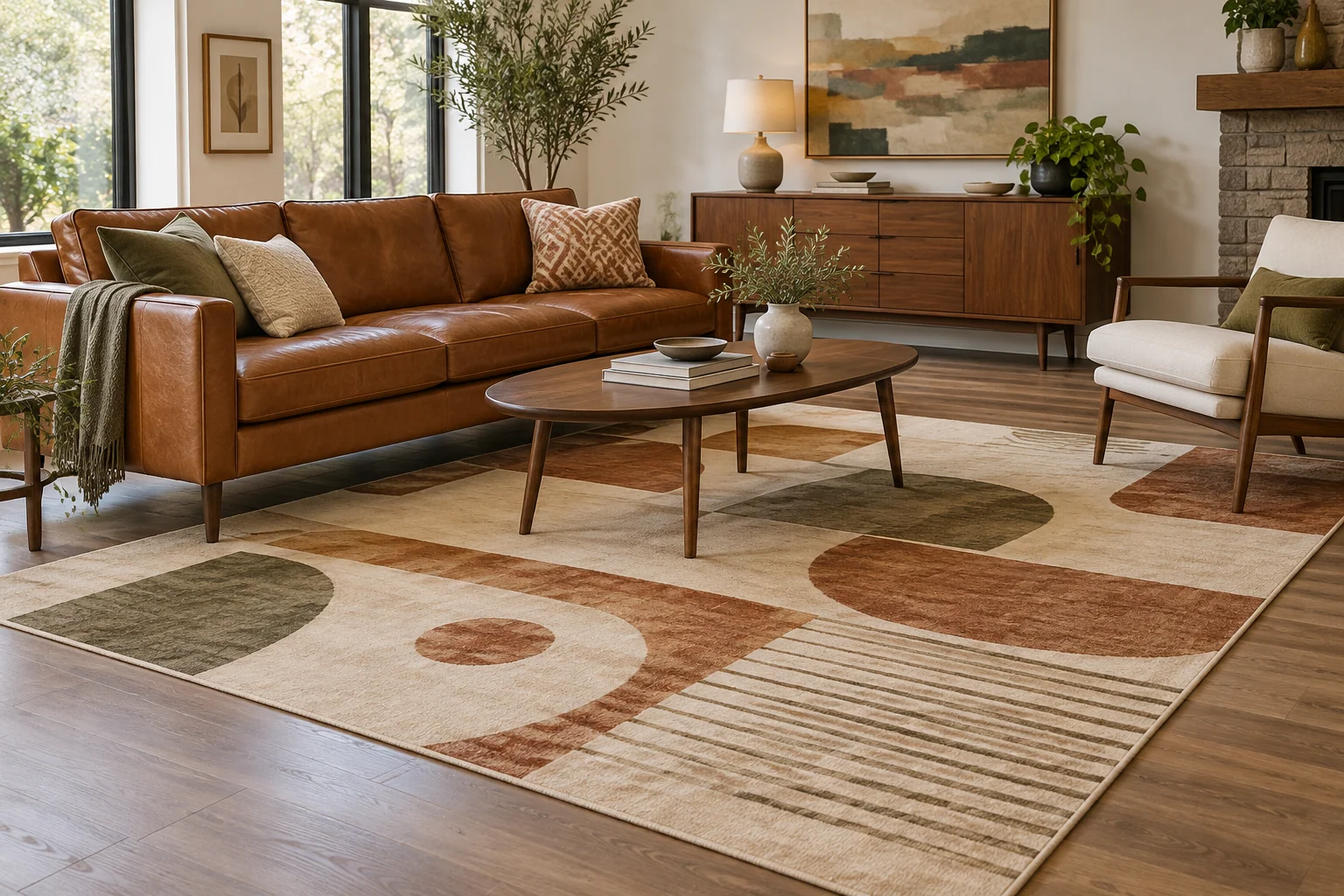
2) Geometric rugs: the classic MCM pattern play
Geometric rugs are one of the easiest ways to get that mid-century “graphic” punch. Think bold repeats, atomic bursts, angular shapes, and tidy grids. The key is to let the rug be the star and keep the rest of the room edited, especially if you also have statement art.
When geometric is the right choice
- Your furniture is mostly solid color and needs movement.
- You want to pull together multiple colors across the room.
- You are styling a space with iconic shapes like a tulip table, a sputnik chandelier, or a sculptural lounge chair.
How to choose the right scale
- Small rooms: go for medium to large pattern units so the rug does not read as visual noise.
- Large rooms: a larger rug can handle a busier repeat, but keep the number of colors in check.
Color tips for geometric rugs
- Pick one rug color to act as a “translator” between wood tones and upholstery. A muted olive, warm ivory, or tobacco brown often does that beautifully.
- If your walls are colorful, choose a geometric rug with more negative space so the room can breathe.
For palette help, I often think in terms of temperature first. If you are deciding between rich saturated accents and softer natural tones, this earth tones vs jewel tones guide can help you commit without second-guessing.
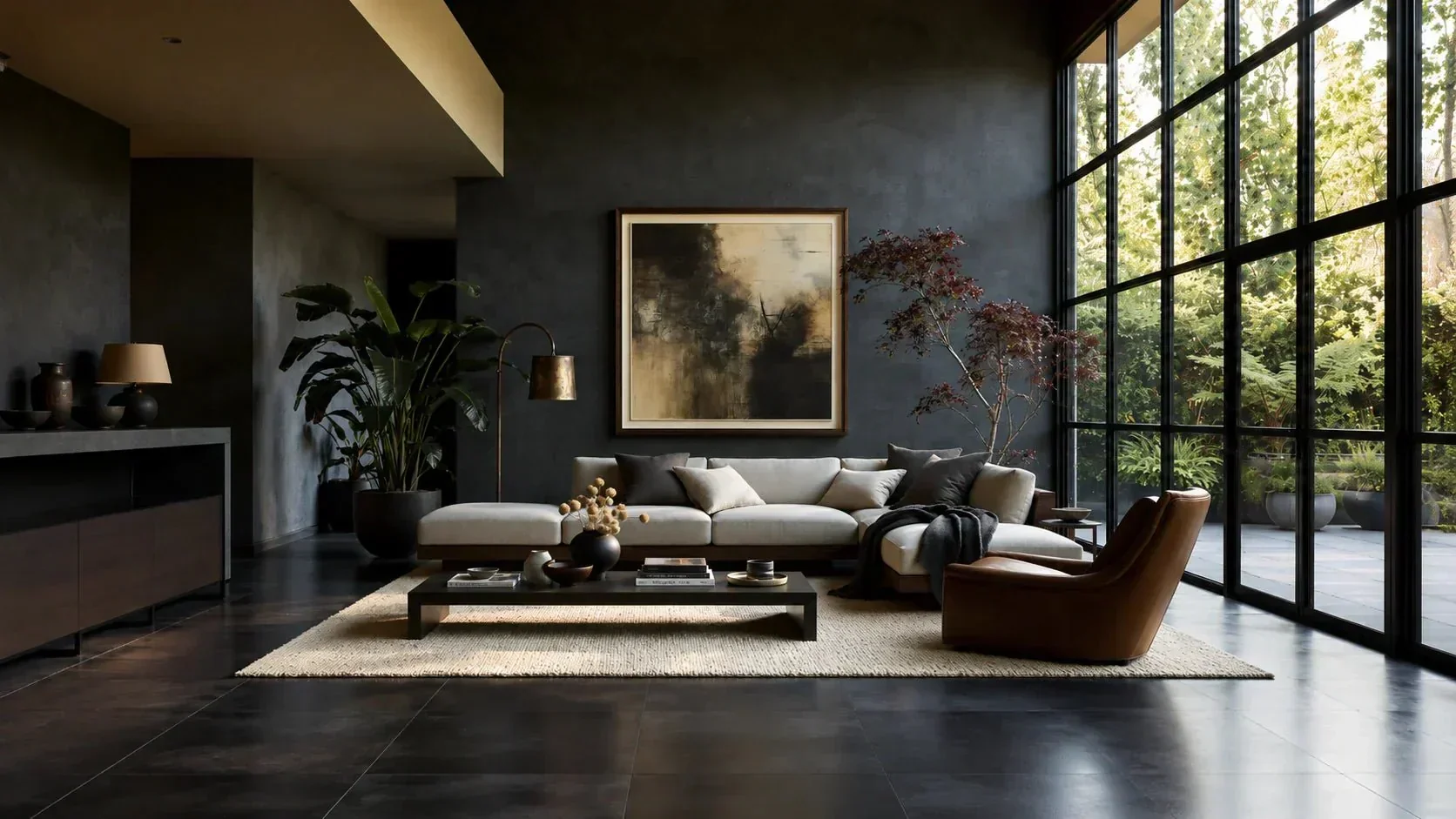
3) Minimalist rugs: calm, architectural, and modern-friendly
Minimalist rugs include solids, subtle heathers, tone-on-tone patterns, and very quiet stripes. They are perfect if your mid-century pieces are special and you want the room to feel curated, not themed. Minimalist rugs also shine in smaller homes and apartments where you are already juggling a lot of functions in one space.
When minimalist is the right choice
- You have statement furniture, bold art, or colorful upholstery and need the floor to be the quiet backdrop.
- Your space is small and you want it to feel bigger.
- You mix mid-century with contemporary and want a clean bridge between eras.
Color tips for minimalist rugs
- Ivory and cream: can brighten walnut-heavy rooms, but choose a rug with flecking if you want it to live well day to day.
- Greige and taupe: keep a room warm without pulling yellow.
- Charcoal: can look stunning with teak, especially when repeated in metal finishes or a few black accents, but keep the rest of the palette light so it does not feel heavy.
If your room centers on walnut or teak case goods, you might like these wall colors that love walnut and teak. A rug and a wall color should feel like they belong to the same family.
Size rules: the quickest way to make a room look intentional
I always start with placement, because the wrong size rug will make even the prettiest pattern look off. In mid-century rooms, where furniture sits up on legs, the rug is part of the architecture.
Living room
- Best look: all front legs of the sofa and chairs on the rug.
- If the room is tight: at least the front legs of every main seating piece on the rug, with the rug centered under the coffee table.
- Avoid: a rug that only fits under the coffee table. It tends to make the seating feel disconnected.
Quick living room size examples
- Small seating group (apartment sofa or loveseat plus one chair): a 5x8 can work if it reaches the front legs, but 6x9 often looks more “grown up” if you have the floor space.
- Standard sofa plus two chairs: an 8x10 is a common sweet spot for getting the front legs on the rug without the rug feeling wall-to-wall.
- Larger sectionals or big open plans: a 9x12 is often the difference between “floats” and “finished,” especially when you are zoning a combined living and dining area.
Dining room
- The measurable rule: choose a rug that extends about 24 inches (60 cm) beyond the table on all sides so chairs stay on the rug when pulled out.
- Low pile is usually your friend here, especially with vintage chair glides.
Bedroom
- For that classic calm mid-century feel, place a large rug under the bed so it extends on both sides and at the foot.
- If you are working with a smaller budget, runners on each side of the bed can still create that warm landing spot.
If you are wrestling with furniture placement in a tight room, this small-space bedroom layout guide pairs nicely with rug planning.
How to match a rug to your mid-century color palette
If choosing rug color makes you freeze, here is my method from years of thrifted chairs, repaint experiments, and one memorable “why is everything orange?” phase.
Use the 60-30-10 idea, but make it mid-century
- 60%: your big calm surfaces, often walls and the rug.
- 30%: upholstery, curtains, and larger textiles.
- 10%: punchy accents like art, ceramics, and lampshades.
A geometric rug can carry your 30% and 10% all at once. A minimalist rug usually lives in the 60% lane. A shag rug often acts like a warm neutral 60% even when it is colorful, because texture softens it.
Two easy rug matching strategies
- Pull one color from the rug and repeat it twice: once in something soft (pillow, throw, curtain) and once in something hard (art frame, planter, lamp base). This makes the rug feel connected to the room.
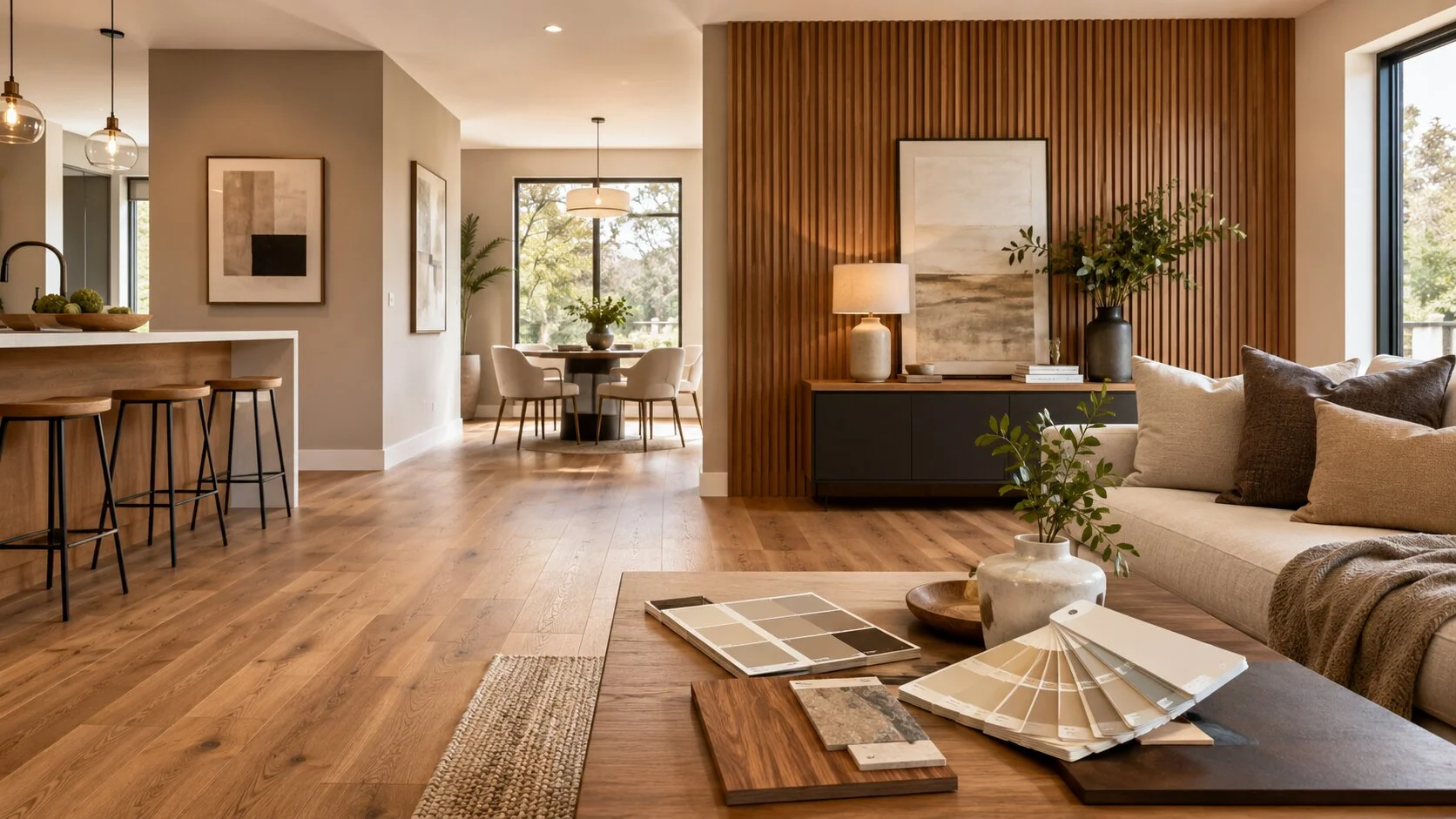
- Match undertones, not names: a rug labeled “cream” can look pink, yellow, or gray depending on undertone. Compare it to your wood tone in daylight if possible.
If you are painting or refreshing the room at the same time, start with a palette you love and let the rug be one of the anchors. These authentic mid-century modern paint colors are a helpful jumping-off point when you want the whole room to feel era-right.
Texture and materials: what looks right and lives well
Mid-century rooms are all about honest materials: wood grain, ceramic glaze, woven textiles, metal finishes. Your rug should join that conversation.
Low pile wool and wool blends
- Look: tailored, classic, and slightly elevated.
- Best for: geometric and minimalist rugs, living rooms, and dining rooms.
- Why I like it: wool holds up, hides minor dirt, and tends to look better with age than many synthetics.
- Set expectations: some wool rugs shed at first. It usually calms down with regular vacuuming.
High pile and shag (often synthetic blends today)
- Look: cozy and retro.
- Best for: lounging spaces and bedrooms.
- Watch for: shedding and flattening. A good pad helps a lot.
Flatweaves
- Look: crisp, graphic, and easygoing.
- Best for: layered styling, dining rooms, and high-traffic areas.
- Pro tip: flatweaves can slide, so use a proper rug pad.
Rug pads: the small detail that matters
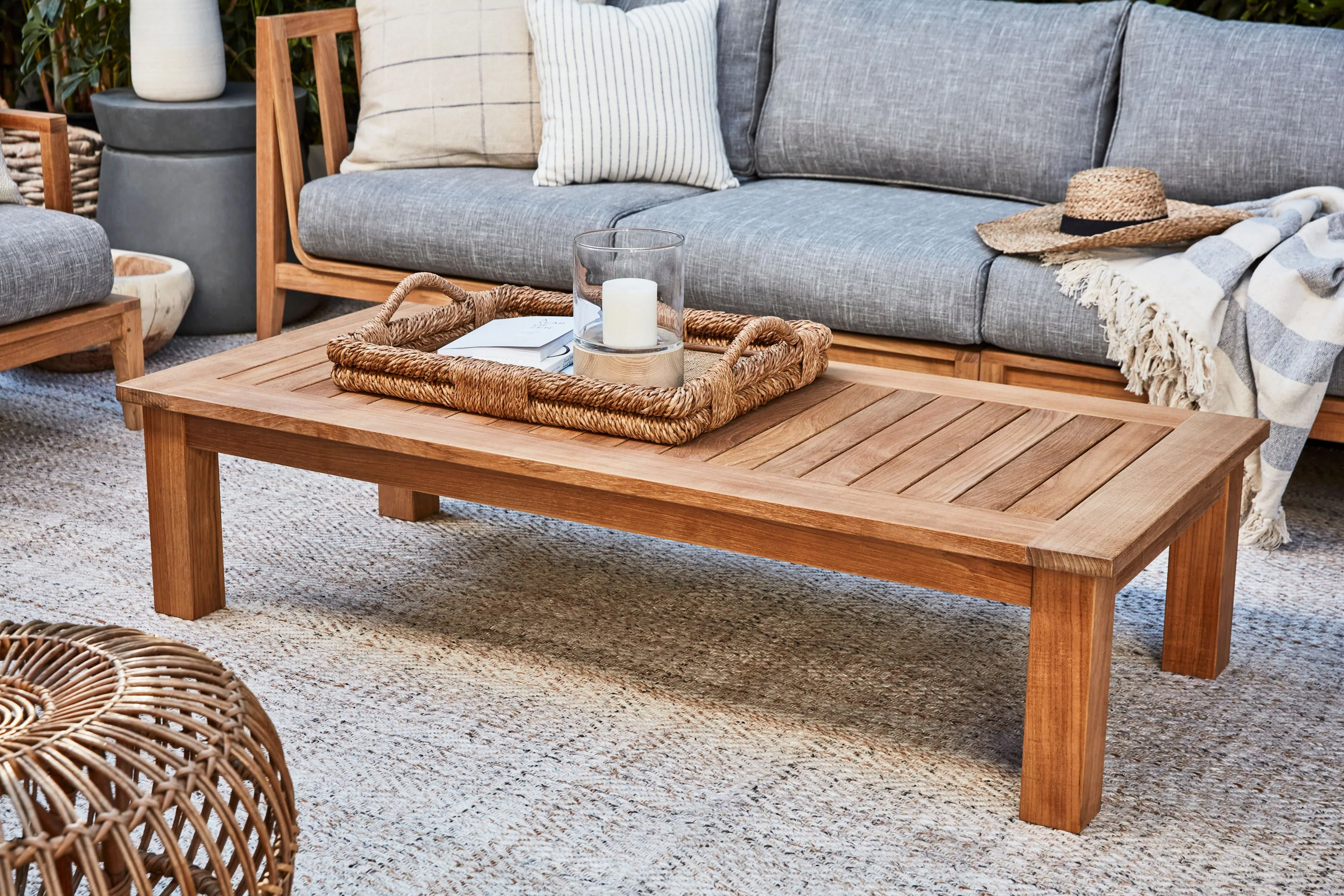
I used to treat rug pads like a boring add-on. Now I consider them part of the rug, especially in a mid-century house with hard floors.
- For slip control on wood, tile, or terrazzo: use a non-slip pad so the rug does not creep when you walk.
- For comfort: a slightly cushier pad can make a thin flatweave feel more lounge-friendly.
- For doors and dining chairs: keep pad thickness modest so doors clear and chair legs glide without catching.
- For vintage floors: a pad helps reduce abrasion where the rug edges move over time.
Quick rug picks by room mood
| Room goal | Best rug style | Color direction | Works especially well with |
|---|---|---|---|
| Cozy conversation zone | Shag | Oatmeal, camel, mustard, olive | Walnut case goods, slim-leg sofas |
| Classic mid-century punch | Geometric | 2 to 4 colors with one warm neutral | Solid upholstery, statement lighting |
| Clean and architectural | Minimalist | Ivory, taupe, soft gray, charcoal | Bold art, mixed vintage and modern |
| Small space feels bigger | Minimalist or quiet geometric | Light base with subtle contrast | Studio apartments, open plan areas |
If you are furnishing a smaller home, you might also appreciate this 600 square foot studio tour for ideas on keeping patterns controlled while still feeling warm and lived-in.
Care basics: keep it looking good
You do not need a fussy routine, but a few habits will keep your rug looking crisp longer.
- Vacuum regularly: high-traffic paths show first. For shag, use a suction-only setting or a vacuum head without an aggressive beater bar if your rug snags easily.
- Blot, do not scrub: for spills, blot from the outside in and avoid pushing liquid deeper into the pile.
- Rotate occasionally: if one side sits under a sunny window or a favorite chair, turning the rug every few months helps wear look more even.
- Deep clean as needed: if the rug starts to look dull even after vacuuming, a professional clean can bring the color back, especially for wool.
Common mid-century rug mistakes (and easy fixes)
Mistake: the rug is too small
Fix: go up a size and make sure at least the front legs of your main pieces sit on the rug. If budget is tight, prioritize size over intricate pattern.
Mistake: too many competing patterns
Fix: pick one hero pattern. If the rug is bold, keep pillows and throws mostly solid. If your upholstery is patterned, choose a minimalist rug.
Mistake: the rug undertone clashes with the wood
Fix: test in daylight. Walnut often plays best with warm creams and earthy colors. Teak can handle both warm and slightly cooler neutrals depending on the finish. If your room feels off and you cannot explain why, it is often undertone.
Mistake: the rug makes vintage pieces look tired
Fix: choose a rug that echoes the era in a refined way. A crisp geometric or a clean minimalist wool can make a thrifted set feel elevated. And if you are hunting for pieces to build around, I keep my best sourcing habits in this estate sale guide and these overlooked local spots.
A simple checklist before you buy
- Placement: Does it reach the front legs of the main seating pieces?
- Palette: Can you name one rug color you will repeat elsewhere in the room?
- Pattern balance: Is the rug the hero, or is something else the hero?
- Pile height: Will doors clear it, and will dining chairs glide?
- Comfort: Does it match how you actually live in the space, shoes on, kids, pets, movie nights?
Once you answer those, choosing between shag, geometric, and minimalist becomes surprisingly easy. The right rug does not just match your mid-century furniture. It makes the whole room feel grounded, warm, and ready for real life.