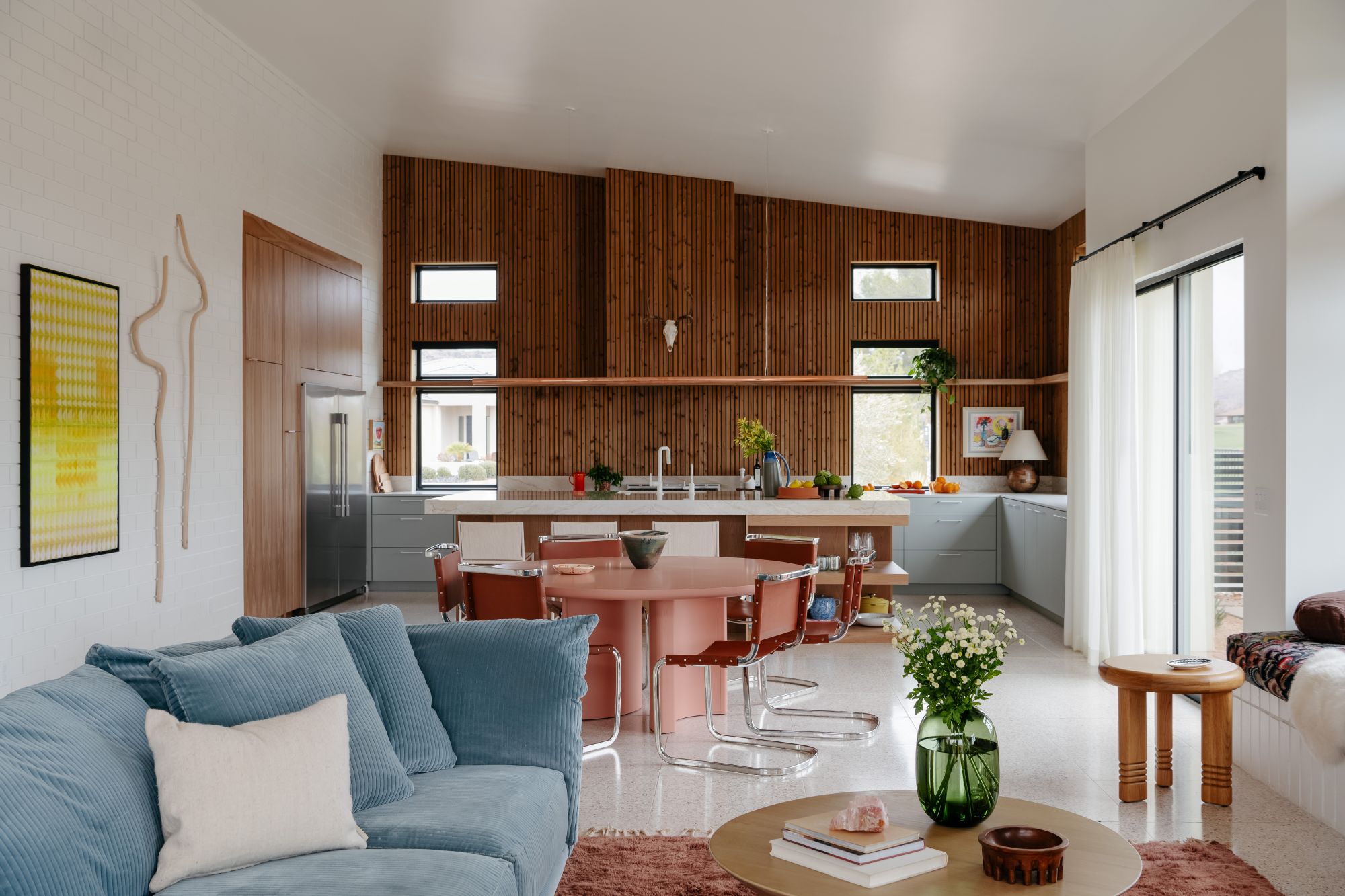

The first time I walked into this 600-square-foot studio, it reminded me of my grandparents’ 1960s living room, in the best way. Not because it was packed wall to wall with “stuff,” but because every piece felt chosen. Warm wood. Clean lines. A little glint of brass. The kind of space where you can spot a tulip table from the doorway and still have room to breathe.
This is a small-space apartment tour built around one big idea: mid-century modern works beautifully in a studio when you let furniture do double duty and you style in calm, intentional layers.
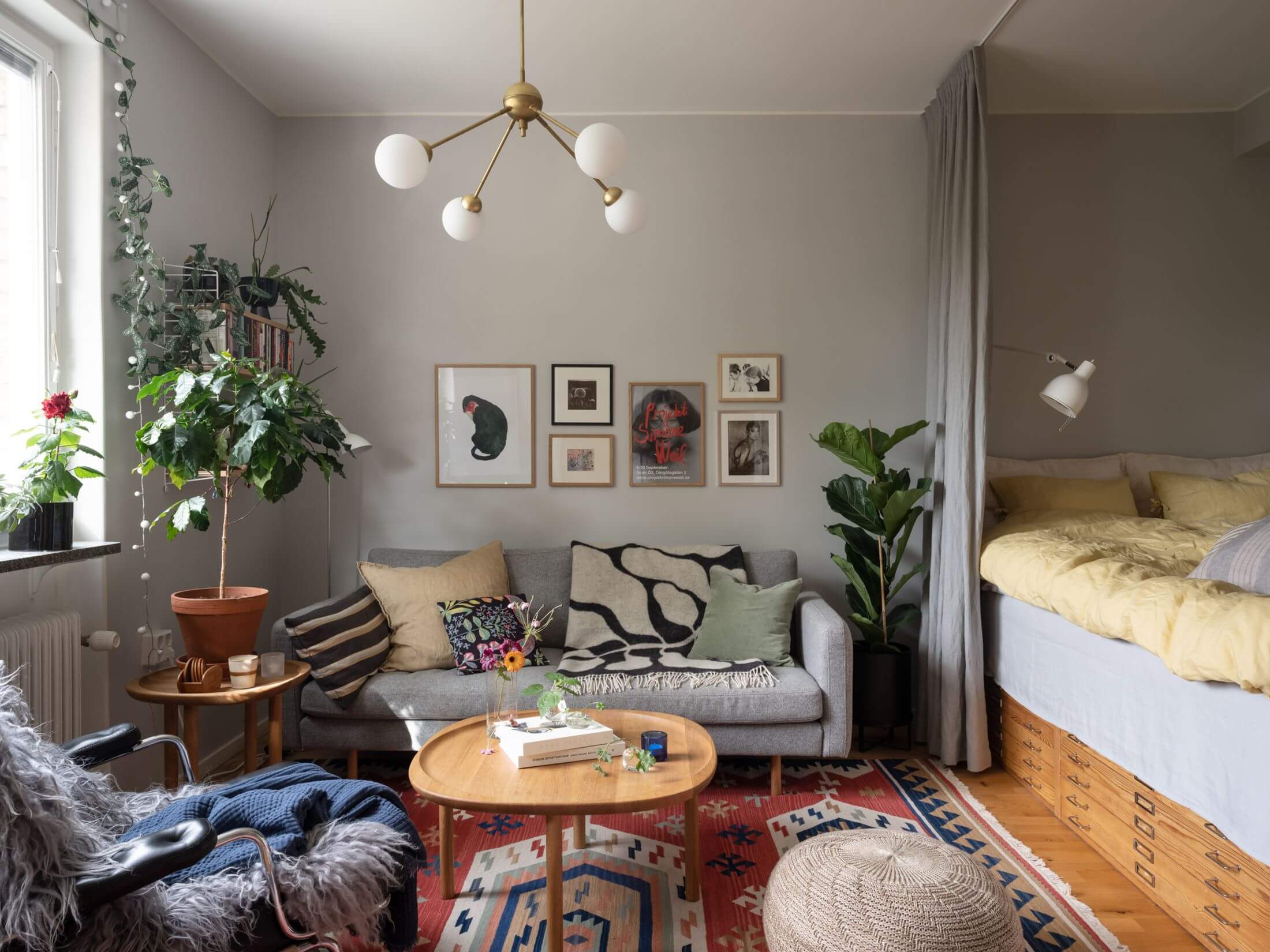
The layout: zones without walls
Studios get cluttered fast when every activity competes for the same visual real estate. Here, the apartment is divided into clear zones, but nothing blocks the light. The bed sits in the quiet back corner, the living area faces the window wall, and the round table lives where it can steal daylight without stopping traffic.
- Living: sofa, lounge chair, and a slim credenza that hides everyday mess
- Dining and work: a small round table that can do dinner and laptop time
- Sleep: bed anchored with a rug and flanked by closed storage
- Entry: a narrow landing strip for keys, bags, and shoes, so they do not migrate
The trick is that each area gets one anchor piece and then only what it truly needs. Everything else lives behind a door, inside a drawer, or in a basket.
If you love the idea of zoning open layouts, you will also like how we handled transitions in this open-concept mid-century living and dining room tour.
Living area: low lines, high function
Mid-century furniture is your best friend in a studio because the silhouettes are naturally light. Low backs, tapered legs, and slim arms keep more floor visible, which can make a small room feel larger.
The hero pieces
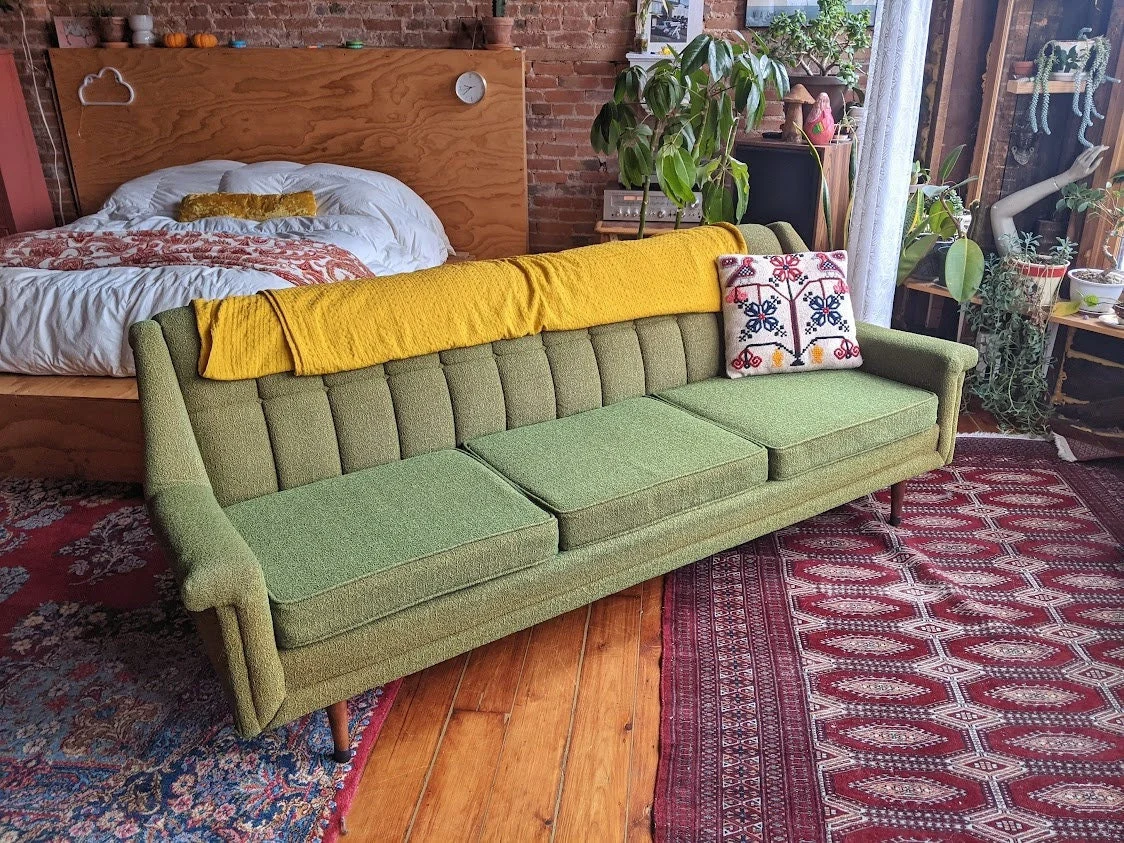
- A compact sofa on legs (not a bulky slipcovered style that sits flat on the floor)
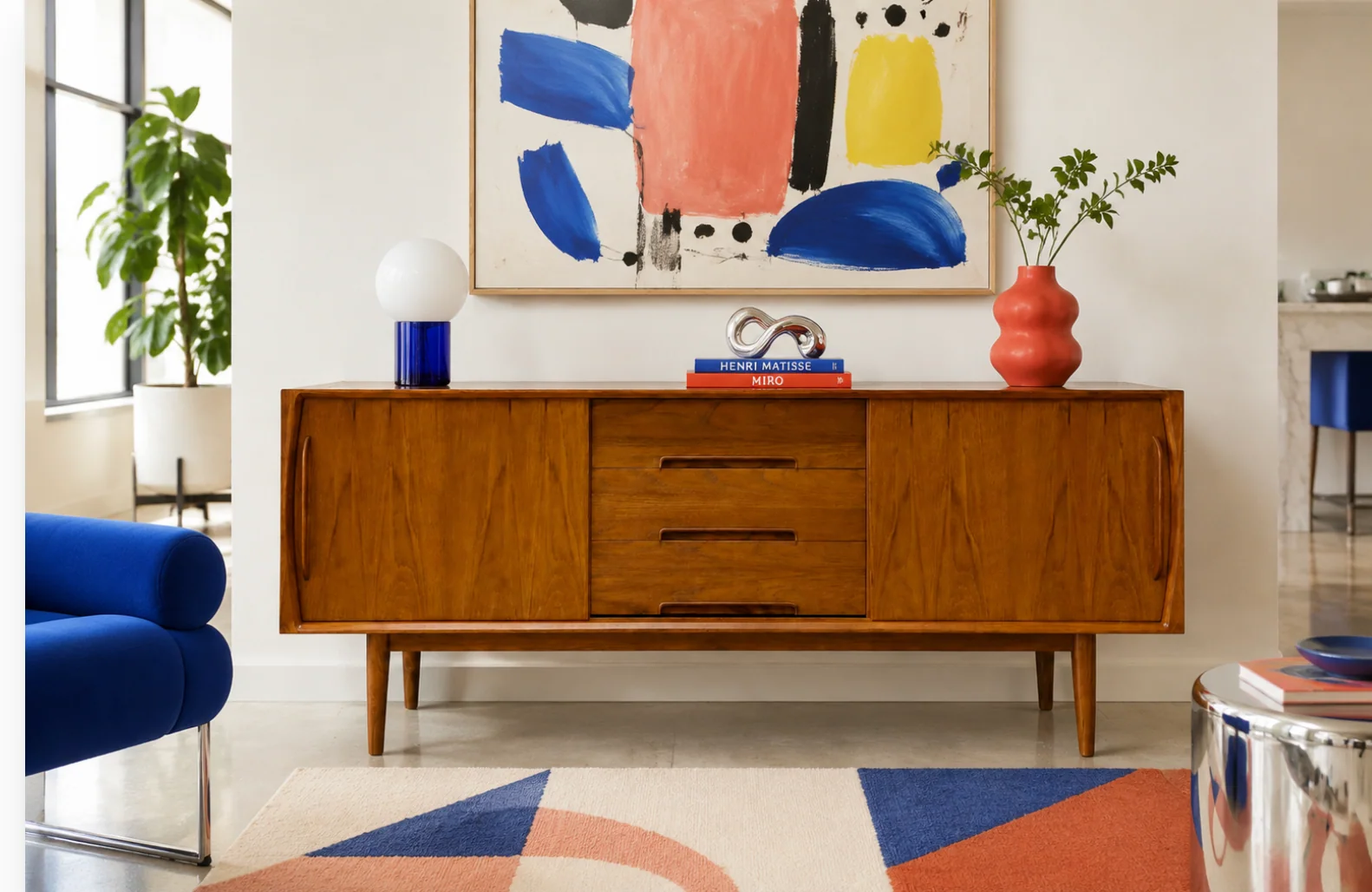
- A walnut credenza that acts like the apartment’s command center for closed storage
- A nesting table or narrow coffee table that can slide, tuck, and flex as needed
How storage is disguised
The credenza is the true workhorse. Inside, it hides board games, extra cords, a small tool kit, and the unglamorous things every adult owns like tape and batteries. It also doubles as the media console, which keeps the TV from demanding its own bulky stand. On top, styling stays disciplined: one lamp, one catchall, one sculptural piece.
When you are styling a credenza in a tight space, scale matters more than quantity. I walk through my “less but better” approach in how to style a mid-century credenza with vintage decor.
Dining and WFH: the round table rule
If you can only fit one surface that is not a coffee table, make it a small round dining table. In this studio, the table sits near the window and pulls triple duty: breakfast nook, work desk, and hosting spot for a couple of friends. (In general, a 36 to 42 inch round table is the sweet spot for two to four, depending on your chairs.)
Why round wins in small spaces
- No sharp corners to hip-check when you are walking around it
- Better circulation in a studio where walk paths matter
- Visually softer, especially next to all the straight lines of cabinet pieces
To keep the area from feeling like an office, supplies live in one closed container. A single lidded box on the credenza holds chargers, notebooks, and a mouse. At the end of the workday, it closes and the room resets quickly.
Sleep zone: calm and contained
The sleep zone is where studios can start feeling like a storage unit. The goal here was hotel energy: simple bedding, warm wood, and nothing visually loud. In this layout, the bed is tucked into the far corner, angled away from the front door so it feels more private the second you walk in.
What makes it work
- A bed with clearance underneath for a few matching bins or low baskets
- Two small night surfaces (even tiny wall-mounted shelves count)
- Lighting that frees up tabletops, like a plug-in sconce or a swing-arm wall lamp
The closet does the heavy lifting, but the styling choice that surprised me most was the use of one tall, narrow cabinet. It is basically a tiny linen closet for the studio: extra towels, backup toiletries, seasonal items. It keeps the rest of the apartment from becoming a pile of helpful little stacks.
If you are hunting for vintage upholstered seating to pair with your bed zone or living zone, I keep a running checklist in buying vintage mid-century upholstered furniture: what to check.
Lighting: layered and warm
Studios live and die by lighting. This one works because it is layered: an overhead fixture for general light, a floor or table lamp in the living area for evening glow, and a task light where work happens. The goal is simple: you should be able to turn on one light and feel cozy, not like you are under a spotlight.
If you want more ideas for era-friendly fixtures that still function like a real home, browse Furniture and Lighting.
Entry drop zone: stop clutter at the door
In a studio, the entry is not just an entry. It is your mudroom, mail station, and daily reset button.
A simple setup that actually sticks
- One tray or small bowl for keys and loose change
- Three hooks max for the current rotation of jackets and bags
- A slim shoe solution (a low cabinet, or a bench with closed storage)
Mid-century style loves a clean surface, so anything that looks chaotic gets a designated home. When the drop zone is working, the whole apartment looks done more often, even on busy weeks.
Small-space styling rules I swear by
1) Keep the palette tight, then add texture
This studio leans warm: walnut, cream, camel, and olive. The interest comes from materials, not extra objects. Boucle, woven cane, vintage ceramics, and a slightly nubby rug do the visual heavy lifting.
If you are torn between cozy warmth and punchy color, you might like earth tones vs jewel tones in mid-century style.
2) Use one shine metal and repeat it
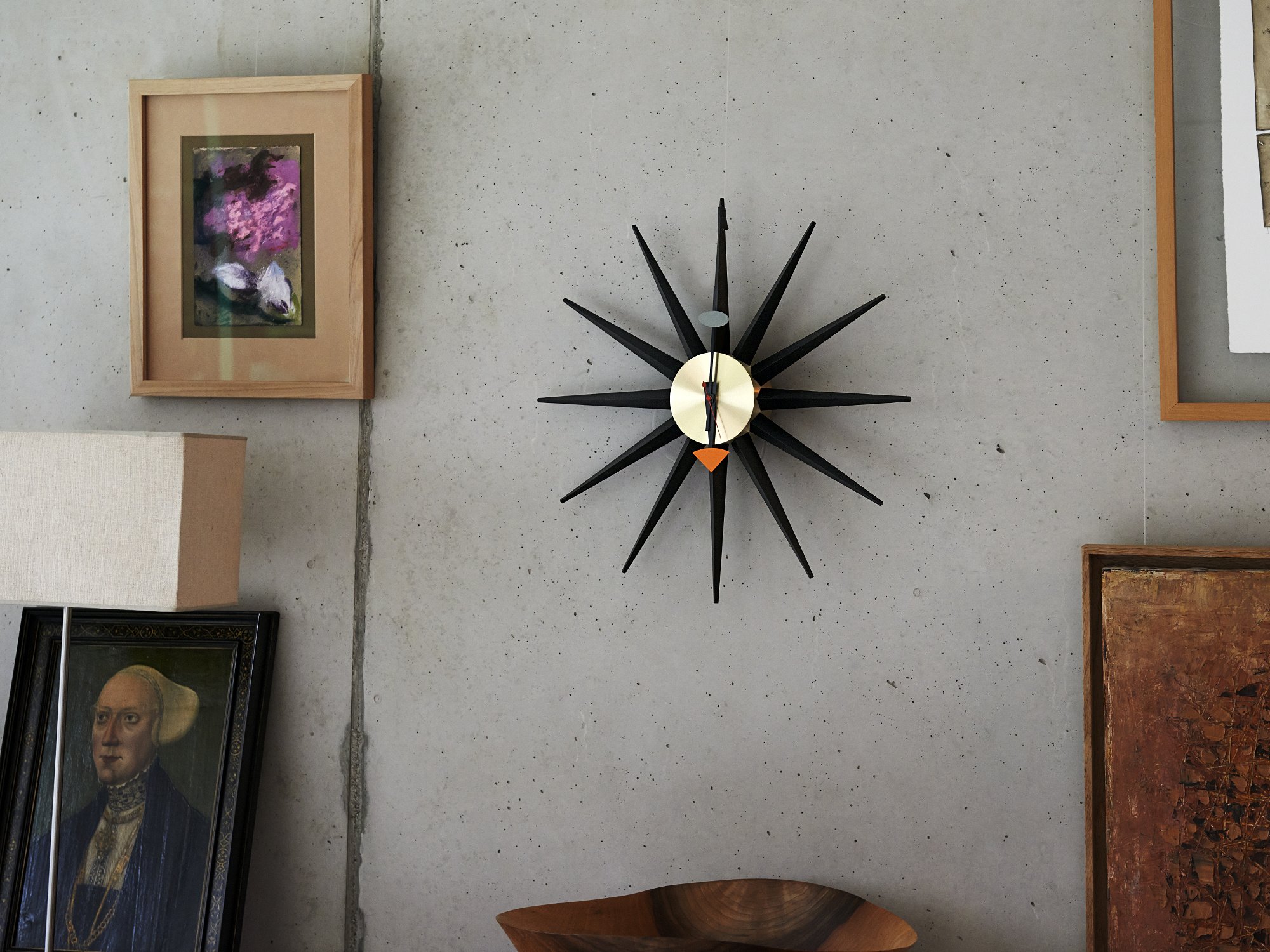
One brass lamp. One brass frame. One brass pull on a cabinet. That repetition makes the space feel intentional, not like a flea market exploded.
For mixing finishes the right way, I have a full breakdown in mixing brass, copper, and chrome in mid-century modern style.
3) Hang art with intention
Studios often end up with art that is too small and too high. Here, a single larger piece above the credenza anchors the living area, and one small grouping near the bed makes the sleep corner feel separate without needing a divider.
If you want the formula, see how to build a mid-century modern gallery wall.
What to thrift versus buy new
I love a good vintage hunt, but in a small apartment I get picky fast. The best studio mix is a few high-impact vintage pieces plus simple modern basics that disappear.
Worth thrifting for character
- Credenza or low cabinet (closed storage is gold)
- Dining chairs with sculptural lines
- Ceramics and art glass in small doses
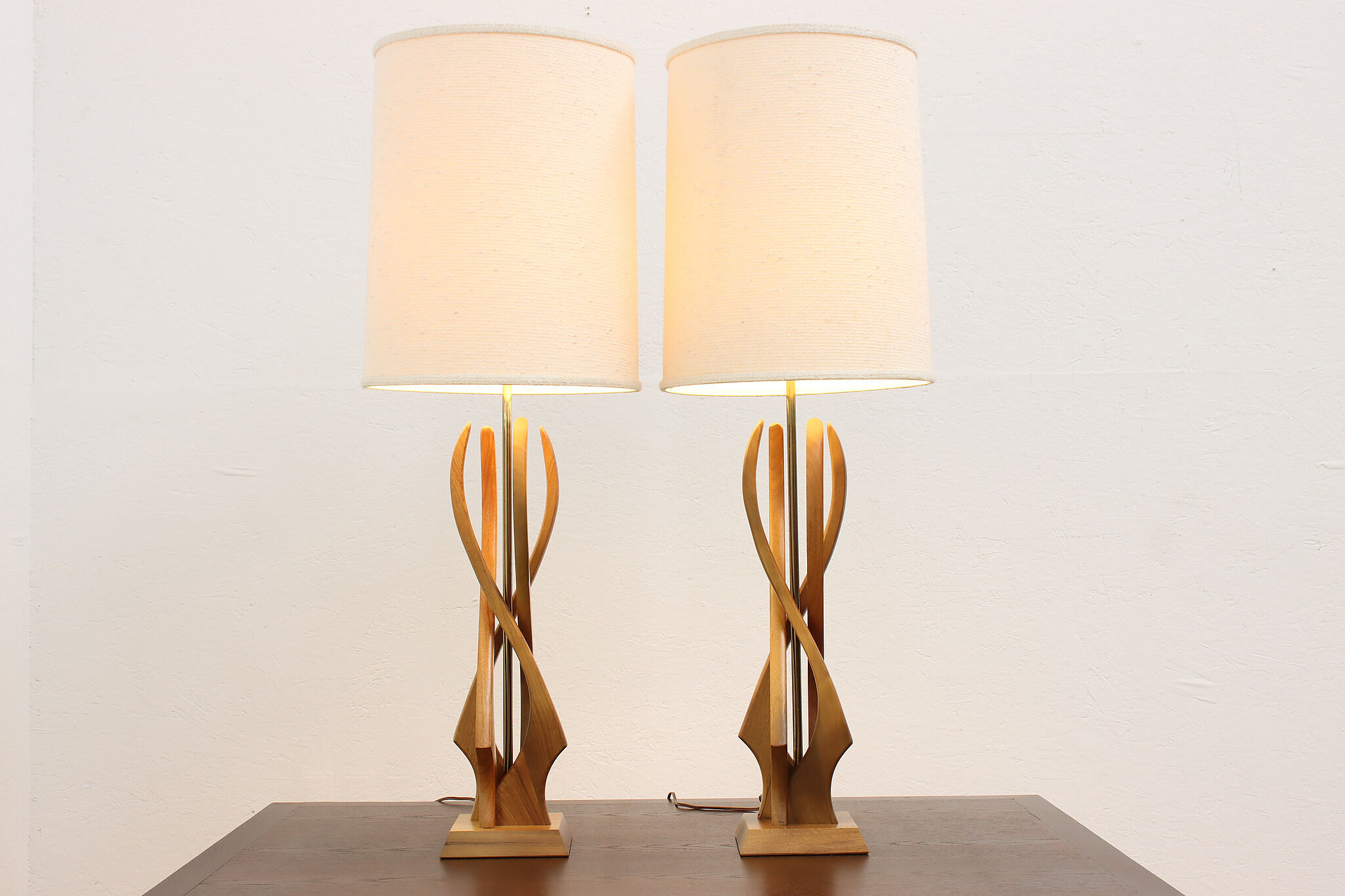
- Lamps with warm shades and real presence
Usually easier to buy new
- Rug in the exact size you need
- Mattress and bed frame if you cannot find a solid, squeak-free vintage option
- Neutral curtains or shades that fit properly
If you are building your own list of reliable hunting grounds, start with 7 overlooked local spots to score authentic mid-century modern furniture and my favorite strategy guide: secret search terms for mid-century modern on Facebook Marketplace.

A quick scale check for studios
If you want the layout to feel as easy as this one, a few measurements do a lot of heavy lifting.
- Keep walk paths clear: I aim for a comfortable lane from the entry to the window, even if everything else is compact
- Choose a sofa that fits the wall: a slimmer profile reads calmer than an oversized piece, even if the seat count is the same
- Let rugs define areas: one under the living seating, one under the bed, so each corner feels “on purpose”
The no-clutter checklist
If you want the same airy feeling in your space, this is the checklist I would tape inside a cabinet door.
- Closed storage wins: I try to keep the majority of storage behind doors or drawers
- One surface, one job: do not let the dining table become a landing strip
- Repeat materials: wood tone, metal finish, and textile colors should echo across areas
- Leave negative space: an empty corner is not a failure, it is breathing room
- Style in odd numbers: 1, 3, or 5 objects tends to look curated without feeling crowded
FAQ
What mid-century pieces make the biggest impact in a studio?
A walnut credenza (for closed storage), a compact sofa on legs, and one sculptural light source. Those three establish the era without crowding the room.
How do you keep a studio from looking like a showroom?
Mix in real-life softness: a textured throw, a worn-in rug, a book stack you actually read. Mid-century modern can feel crisp, so you want a few lived-in layers to keep it warm.
What is the biggest small-space mistake with MCM furniture?
Going too bulky. Mid-century style is at its best when it feels light. Look for tapered legs, lower profiles, and pieces that sit off the floor.
More tours and makeovers
If you loved seeing how a small studio can still feel authentically mid-century, keep wandering through Room Makeovers & Tours. I am always collecting ideas that make real homes feel a little more like the ones we grew up admiring.