
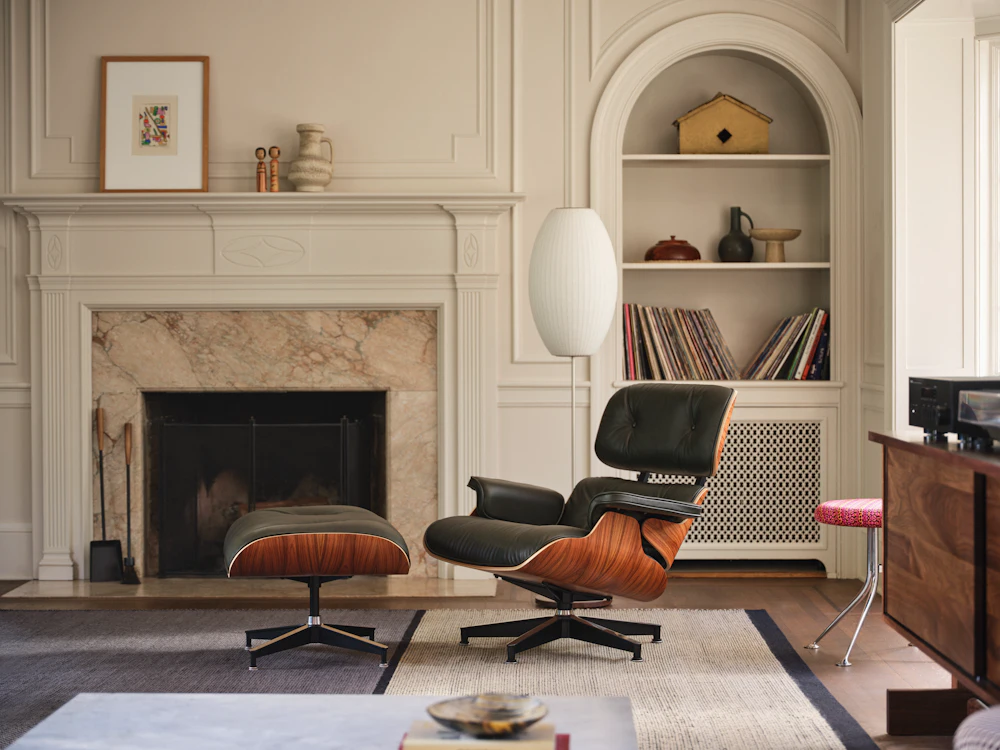
The first time I sat in an Eames Lounge Chair, I understood the hype in a very unglamorous way: I did not want to get back up. It felt like being held in place by good design. Then I looked up the price and immediately remembered I have a mortgage and a 1958 ranch house full of other projects begging for attention.
The good news is you can get very close to that iconic vibe without paying collector money. I have helped friends, family, and a few very determined neighbors shop for the look: molded wood shell, low-slung posture, plush cushions, and that relaxed, book-in-hand recline. Below are the best Eames-inspired alternatives and what to look for so you end up with something that feels timeless, not temporary.
What makes it feel right
Before we get into specific chair styles, here is the checklist I use when I am trying to capture that Eames spirit without accidentally buying something that looks right for five minutes and then squeaks for the next five years.
- Shell shape: Look for the classic three main shells (headrest, backrest, seat) with gentle curves. Flat plywood panels tend to read cheaper and sit stiffer.
- Wood tone: Walnut is the classic. If it is “espresso” or very red, it can skew more 2000s than 1960s. A medium brown with visible grain looks most authentic.
- Upholstery feel: If you want the classic look, go for leather or a high-quality faux leather. For a softer, cozier MCM room, a woolly bouclé or tweed can feel period-friendly too.
- Leather reality check: If a listing says “genuine leather,” ask what that means in practice. Top-grain generally wears better than bonded leather, especially on seat cushions and arms.
- Cushion attachment: Loose cushions can shift. Attached cushions look neater and often wear better.
- Ottoman height: The ottoman should meet your calf comfortably. If it is too tall, it feels like a footstool. Too short and you will perch instead of lounge.
- Base stability: A five-star base often feels more secure, but the number of legs is not the whole story. Base diameter, metal thickness, and center of gravity matter just as much. If you can, look for a wider stance and test for wobble.
- Fit for your body: Check seat height (feet flat without tiptoeing), seat depth (you can sit back without the edge cutting into your legs), and back height (head support if you are tall, not a headrest that hits your shoulders if you are petite).
If you are buying secondhand, I also recommend reading my upholstery inspection checklist in Buying Vintage Mid-Century Upholstered Furniture: What to Check. Even “like new” listings can hide compressed foam and cracked leather.
Best alternatives by type
There is no single perfect substitute because people lounge differently. Some want a true recliner. Some want the silhouette. Some just want an ottoman and a place to land with a book and a record sleeve.
1) Bentwood lounge chair and ottoman sets
If your main goal is the silhouette, start here. Bentwood lounge sets are the most visually similar: curved wood shell, plush cushions, matching ottoman, and a low, modern posture.
- Why it works: You get the “instant mid-century” look from across the room.
- What to watch: Very thin veneer, mismatched stain between pieces, and overly shiny faux leather that looks plastic in daylight.
- Comfort notes: These vary wildly. If you can, sit before you buy. Some are deeply comfortable, some are more for looks.
My shopping tip: In listings, look for close-up photos of the shell edges. Clean edging and consistent veneer are usually signs of a higher quality build. Also ask what the shell actually is: real bent plywood tends to feel more substantial than a thin veneer over engineered wood.
2) Scandinavian-style bentwood recliners
If you want something that feels like a true reading chair, Scandinavian-inspired bentwood recliners can be a great compromise. They often have a smoother recline, better head support, and a more “sink in” seat without losing that warm wood presence.
- Why it works: Comfort-forward, still mid-century friendly, usually a stronger daily chair.
- What to watch: Bulky arms or oversized pillows can tip it into contemporary recliner territory.
- Best for: TV rooms, libraries, and anyone who actually uses their living room for living.
3) Stressless-style recliners
I am going to say something mildly controversial: for a lot of bodies, a Stressless-style recliner can feel like the better everyday chair. The silhouette is different from the Eames, but the comfort is hard to beat, and the wood base can still read beautifully mid-century when styled right.
- Why it works: Supportive head and neck area, a glide or recline system that moves with you, and a seat that often feels more forgiving over long sits.
- What to watch: Some models look more 1990s than 1960s. Choose simpler lines, lower-profile cushions, and a warmer wood tone.
- Best for: People with neck or back sensitivity who still want a design-forward room.
Secondhand note: In many regions, these show up used often enough to be worth watching for. When you test one, listen for grinding sounds, check the mechanism for smooth movement, and look for leather cracking at stress points.
4) Vintage molded-wood loungers
If you want genuine mid-century history in your space, look for vintage lounge chairs from the era that nod to the Eames idea without copying it. Plycraft is a name that comes up a lot in this category, along with other molded-wood loungers from the 1960s and 1970s.
- Why it works: You get real patina and period proportions.
- What to watch: Delamination on the plywood, wobbly bases, and cushions that need re-foaming.
- Best for: Thrifters who do not mind a little restoration.
If you love the hunt, pair this with Estate Sales for Mid-Century Modern Decor and 7 Overlooked Local Spots to Score Authentic Mid-Century Modern Furniture.
5) Tuxedo lounge chairs with ottomans
Not everyone needs the molded wood. If your room just needs a statement lounge moment, a clean-lined tuxedo lounge chair plus a matching or coordinating ottoman can give you that same low, relaxed “modern classic” posture.
- Why it works: Often more affordable, easier to find, and easier to upholster down the road.
- What to watch: Overstuffed, over-tall arms that feel more contemporary than mid-century.
- Best for: Small living rooms where a big molded shell might feel visually heavy.
6) Swivel lounge chairs
If you host a lot, a swivel lounge chair can be the most practical. You still get that sculptural presence and low seat height, but the chair works harder for conversation and open concept layouts.
- Why it works: Flexible seating that still feels intentional.
- What to watch: Oversized barrel shapes that read more 1970s club chair than Eames-inspired lounge.
- Best for: Open living and dining spaces where people drift and chat.
Quick comparison
| Alternative type | Closest to Eames look | Comfort level | Best for |
|---|---|---|---|
| Bentwood lounge set | High | Varies by build | Signature statement look |
| Scandinavian bentwood recliner | Medium-high | High | Daily reading chair |
| Stressless-style recliner | Medium | Very high | Back and neck support |
| Vintage molded-wood loungers | Medium | Depends on restoration | Authentic mid-century character |
| Tuxedo lounge + ottoman | Medium | Medium-high | Budget rooms, smaller spaces |
| Swivel lounge chair | Low-medium | Medium-high | Conversation-friendly layouts |
Spot quality fast
I have bought enough “looks great in the listing” chairs to develop a little pre-purchase routine. Here is what I check before I ever schedule a pickup.
Ask for these photos
- Close-up of the wood edges: You want clean seams and no peeling veneer.
- Under-seat shot: Look for sturdy brackets and solid joinery, not flimsy staples or thin particleboard.
- Base and hardware: Check for rust, stripped screws, or stress cracks. If possible, ask for a measurement of the base width, because a wider base often feels more planted.
- Side profile: This tells you if the chair has that relaxed, reclined posture or if it sits upright like an accent chair.
- Cushion close-up: Look for wrinkling, cracking, or shiny wear spots on leather and faux leather. If it is fabric, look for thinning on seat edges.
Questions that reveal a lot
- Does it squeak when you shift your weight?
- Are the cushions original, and are they removable or attached?
- What is the upholstery material (top-grain, corrected grain, bonded, faux leather), and has it been conditioned?
- Has it been in a sunny window or a home with pets?
- Is there any wobble in the base or play in the recline mechanism?
If you are buying through Facebook Marketplace, my favorite trick is using more specific keywords than “mid-century chair.” I shared the exact phrasing that works in Secret Search Terms for Mid-Century Modern on Facebook Marketplace.
Budget ranges
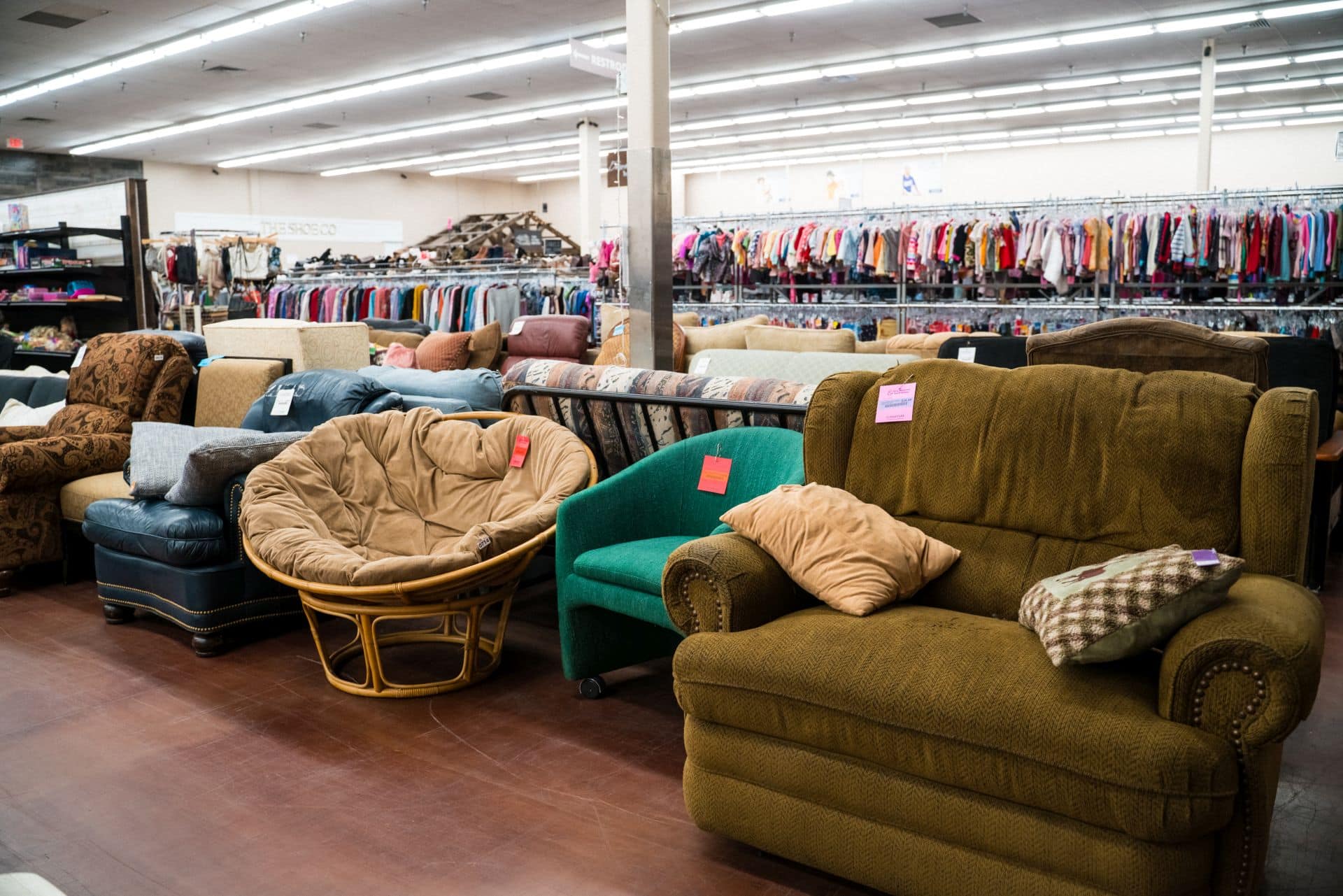
Prices swing by region and by how patient you are willing to be, but these ranges are realistic for most shoppers. What pushes the numbers up is usually material honesty (top-grain leather versus bonded), cushion quality (high-resiliency foam versus soft mystery fill), and construction (real bent ply shells and sturdier bases versus thinner engineered panels).
- New, Eames-style bentwood sets: typically a few hundred to around a thousand dollars depending on upholstery type, shell construction, and base quality.
- Used bentwood sets: often a few hundred if the cushions are worn, the faux leather is peeling, or the finish is scuffed.
- Used Stressless-style recliners: commonly mid-hundreds to low-thousands depending on size, leather condition, and how smoothly the mechanism operates.
- Vintage molded-wood loungers: can be a bargain if you are willing to re-foam and refinish, but pristine examples command more.
Whenever I am comparing a few listings, I do a quick reality check using the steps in How to Price Check Vintage Mid-Century Thrift Finds. It helps you spot when a “rare vintage” label is just a seller trying to make rent.
Make it look intentional
Even the best alternative can fall flat if the styling is off. The Eames chair always looks composed because it lives in a little moment: lighting, table, art, and negative space.
My styling formula
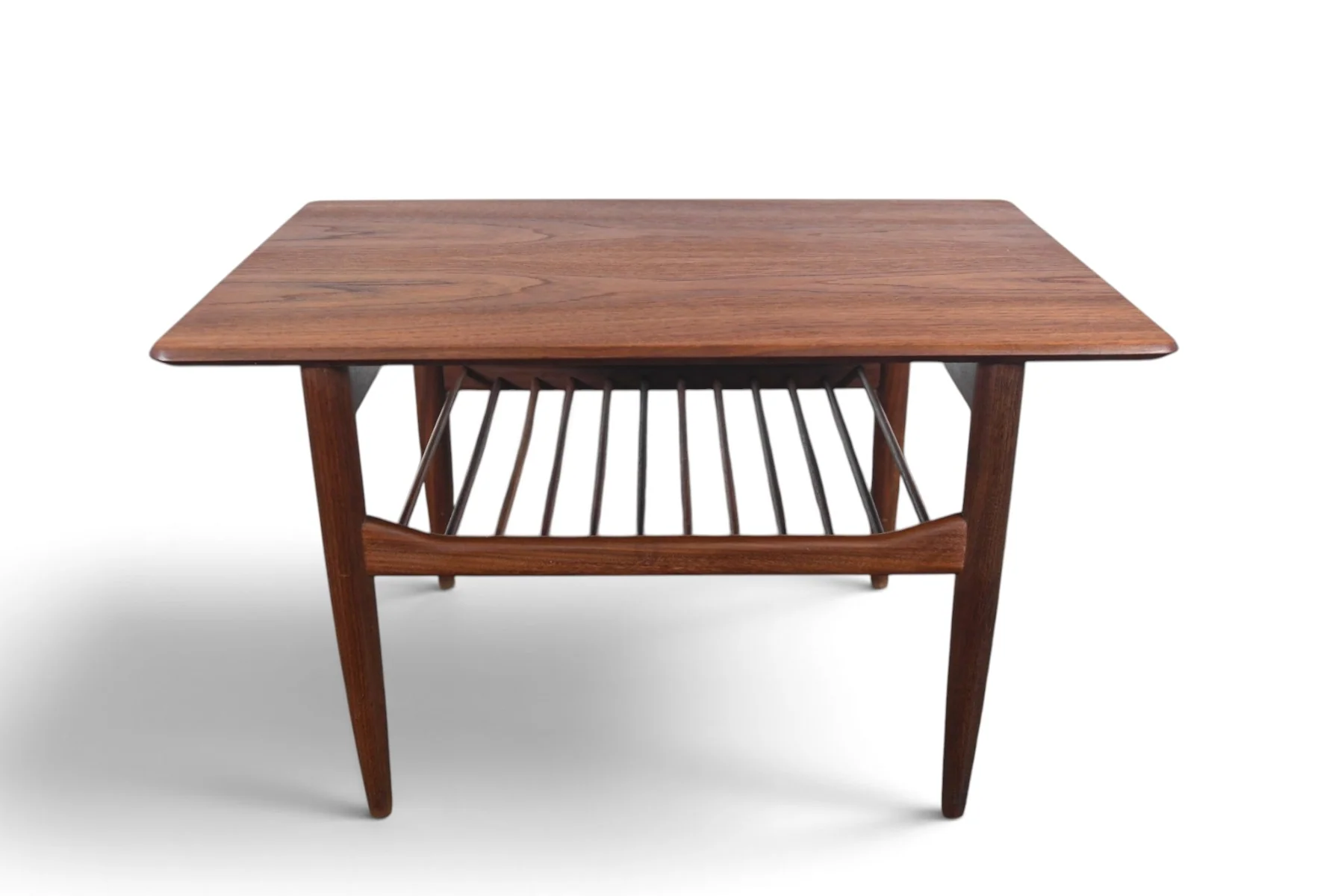
- One warm wood element: a small side table in walnut or teak.
- One focused light source: an arc lamp or a simple cone shade floor lamp aimed at the seat.
- One texture that softens the leather: a nubby pillow or a small wool throw.
- One low anchor: a slim coffee table so the chair stays the star.
If you are building a whole corner, it helps to pick your palette first. I usually decide between earthy and jewel tones before I buy accessories, and I break that down in Earth Tones vs Jewel Tones in Mid-Century Style.
Secondhand red flags
A lounge chair is a lot like a vintage car. If the bones are good, you can fix the cosmetic stuff. If the structure is failing, you will keep throwing money at it.
- Cracked plywood layers: especially around screw points and where the shell curves.
- Loose metal brackets: if the chair shifts at the connection points, you will feel it every time you sit down.
- Compressed foam: if you sit and immediately bottom out, plan on re-foaming. High-resiliency foam is a worthwhile upgrade if you are refurbishing.
- Dry, splitting leather: conditioning can help dryness, but cracking at seams is usually permanent.
For a deeper dive on what is safe to buy and what is a walk-away situation, bookmark 5 Structural Red Flags to Avoid When Thrifting Mid-Century Wooden Furniture.
FAQ
Will an Eames-style chair feel as comfortable as the original?
Sometimes, but not consistently. Comfort comes down to cushion density, lumbar support, and the recline angle. Many alternatives nail the look more than the sit. If comfort is your top priority, focus on reviews, try to sit in person, or lean toward ergonomic recliners with mid-century lines.
What material looks most authentic in a mid-century living room?
Black leather with a walnut-toned shell is the classic, but brown leather can feel very true to the era too. If you want something softer, a textured neutral fabric reads mid-century when the shape is right.
Is it better to buy vintage or new?
Vintage wins on character and proportion. New wins on convenience and often on cushion freshness. If you love the hunt and can handle minor repairs, vintage is rewarding. If you need a chair next week, a well-reviewed new alternative can still look beautiful.
How do I keep a lounge chair from taking over a small room?
Choose a chair with a slimmer shell and a lighter wood tone, and keep the surrounding pieces low and airy. I also like placing it near a window so it feels like a destination, not a bulky obstacle. If you want more small-space mid-century ideas, you will probably enjoy this 600 square foot studio tour.
My parting advice
The Eames Lounge Chair is iconic because it balances sculpture and comfort. When you shop alternatives, do not chase the logo. Chase the feeling: a chair that invites you to stay, with wood warmth and a silhouette that makes the whole room look more intentional.
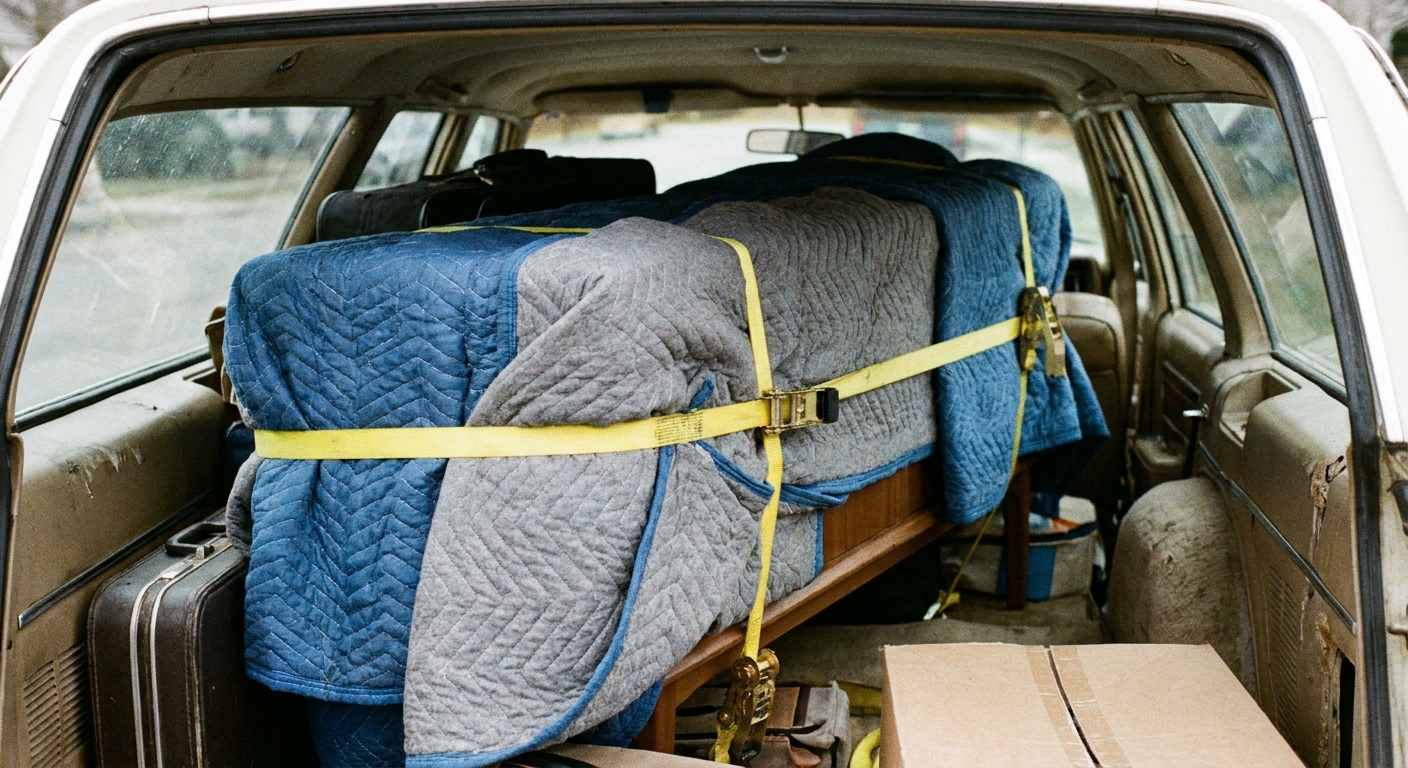
And if you do find a great secondhand lounge chair, take care moving it. Bentwood and vintage joints do not love doorframes. I keep my moving rules saved in How to Safely Move Thrifted Mid-Century Modern Furniture.