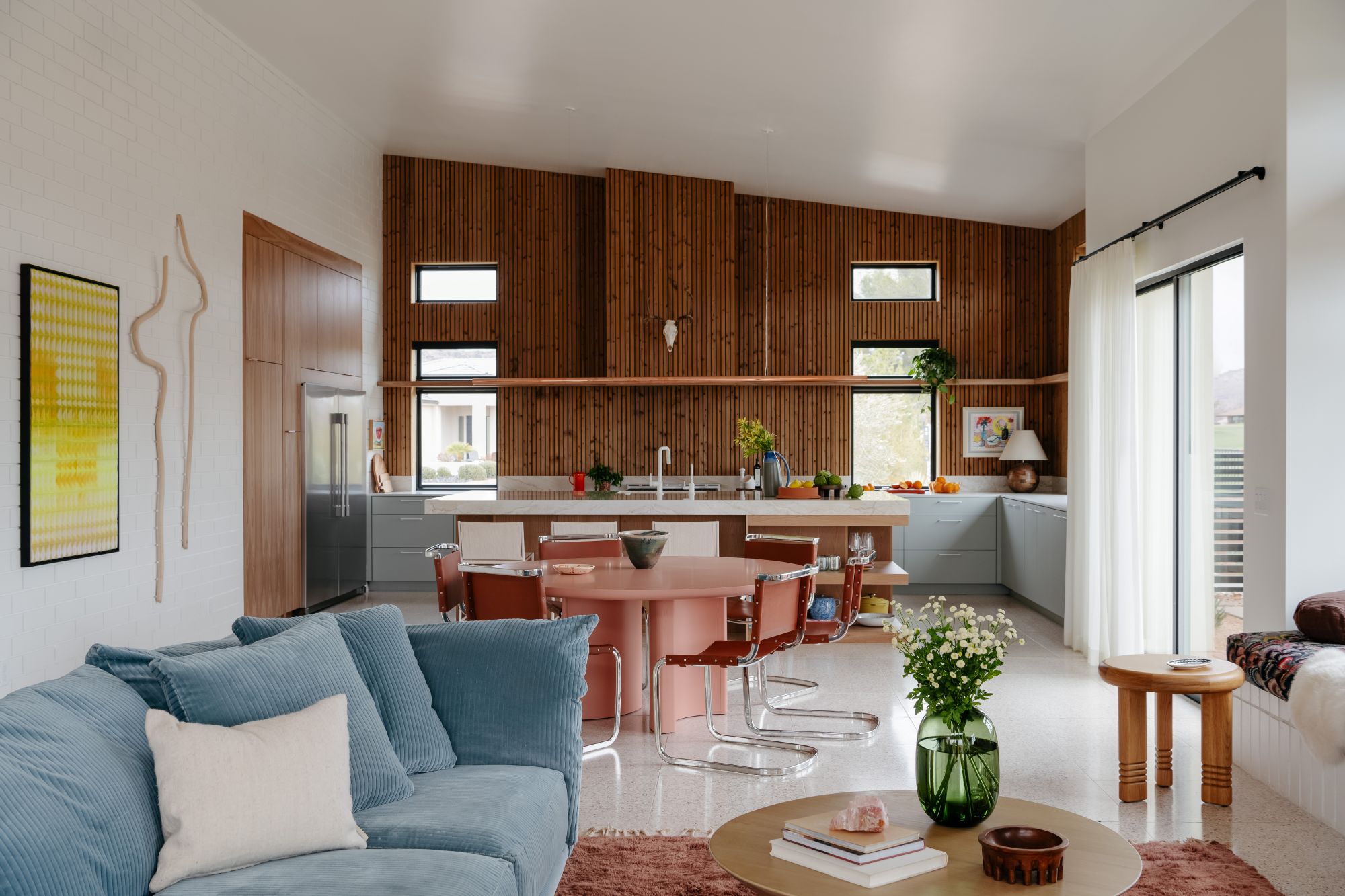

The first time I tried mixing eras on purpose, I did it backwards. I brought home a perfectly low-slung, walnut-legged mid-century sofa, then flanked it with two modern chairs I loved online. In my head it was going to look like a designer living room. In real life, the chairs sat like tall strangers at a dinner party. Wrong seat height, wrong visual weight, and suddenly my beautiful sofa looked like it shrank.
The good news is that pairing a mid-century modern sofa with contemporary accent chairs is one of the easiest ways to make a room feel collected instead of themed, as long as you make a few key decisions on purpose. Here’s how I think about it, including the quick measurements I take before I commit.
Start with the sofa vibe
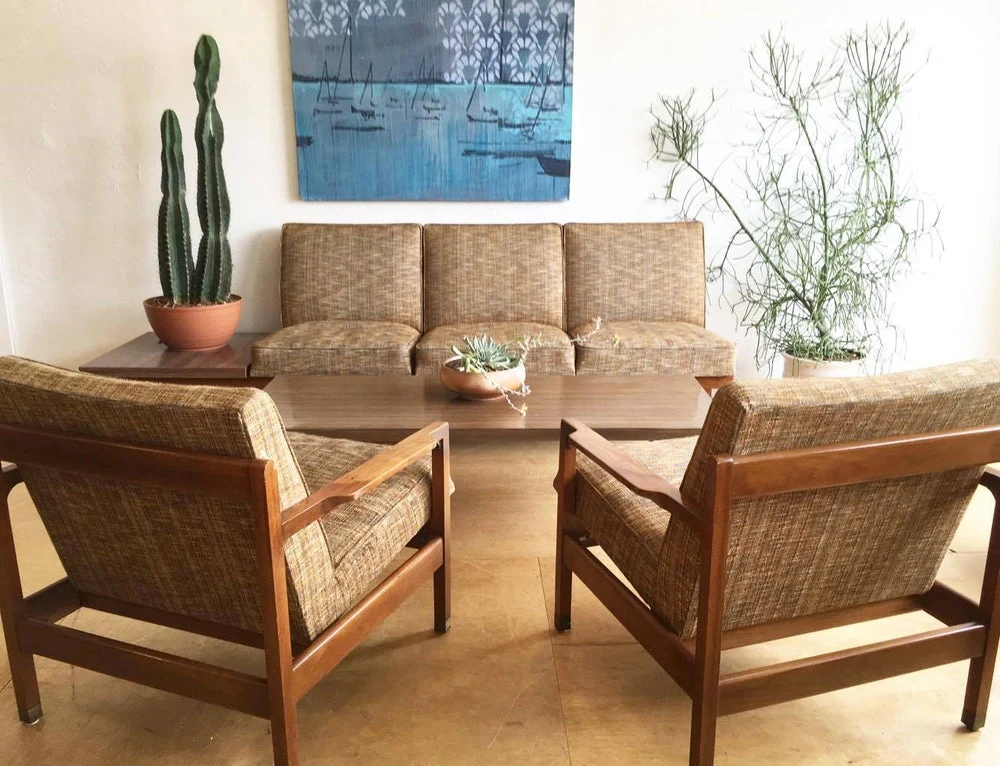
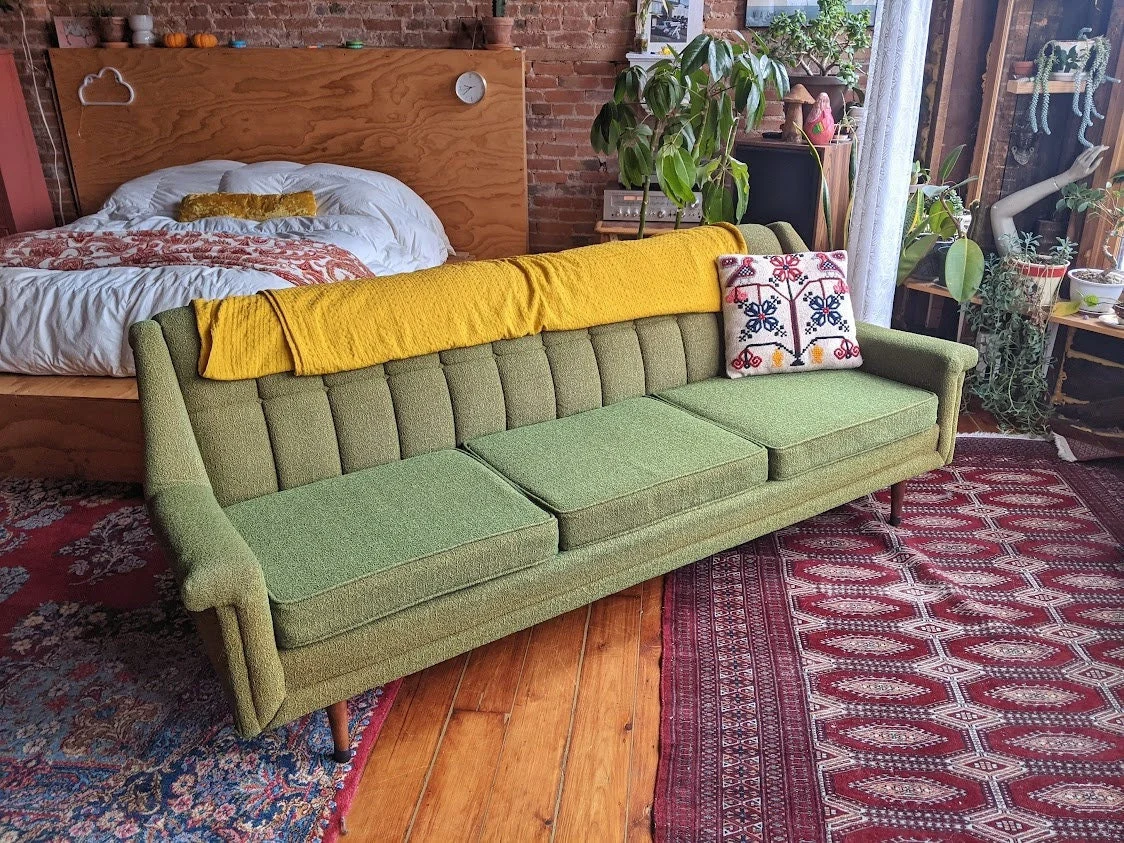
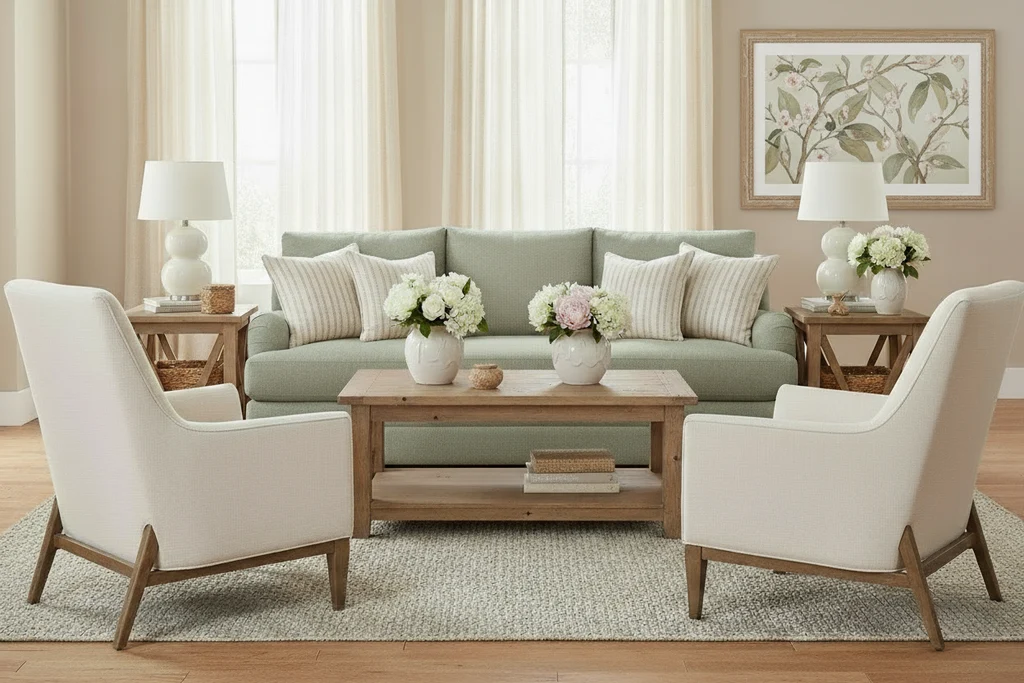
Most mid-century sofas broadcast a clear vibe. They are typically low, long, and tidy, with narrow arms, tapered legs, and a frame that shows a little structure. Before you add contemporary seating, decide which part of the sofa you want to echo and which part you want to contrast.
- Echo the sofa if you want a calm, cohesive room. Repeat one cue like leg shape, wood tone, or a clean silhouette.
- Contrast the sofa if you want the room to feel current. Keep the sofa as the vintage anchor, then choose chairs with a different era signal like a chunky base, a wraparound back, or a sculptural form.
If your sofa is a true vintage piece, it helps to know what you are working with structurally before you design around it. I keep a short checklist for seams, suspension, and odors, and it has saved me from “why does the whole room smell like someone else’s basement” regret. If you are shopping secondhand, this guide is worth a read: Buying Vintage Mid-Century Upholstered Furniture: What to Check.
Three measurements that matter
This is the part most people skip, and it is also the part that makes the room feel designed. You do not need a tape measure out all weekend, but these numbers keep you from buying chairs that fight your sofa.
Quick measuring tip: When brands list seat height, it is usually measured from the floor to the top of the seat cushion. At home, I measure to the compressed top of the cushion (sit on it once, then measure). That gets you closer to the real-life sit, not the showroom fluff.
1) Seat height
A mid-century sofa often sits lower than many contemporary lounge chairs. If your accent chairs are much taller, your conversation area can feel uneven.
- As a practical rule, I try to keep the chair seat height within about 1 to 3 inches of the sofa seat height. A little mismatch can be fine, but big gaps are where things start to look accidental.
- If you love a taller chair, choose one with a visually light base so it does not tower.
2) Arm height and bulk
Low, slim sofa arms look best next to chairs that do not have massive, boxy arms landing at the same visual line.
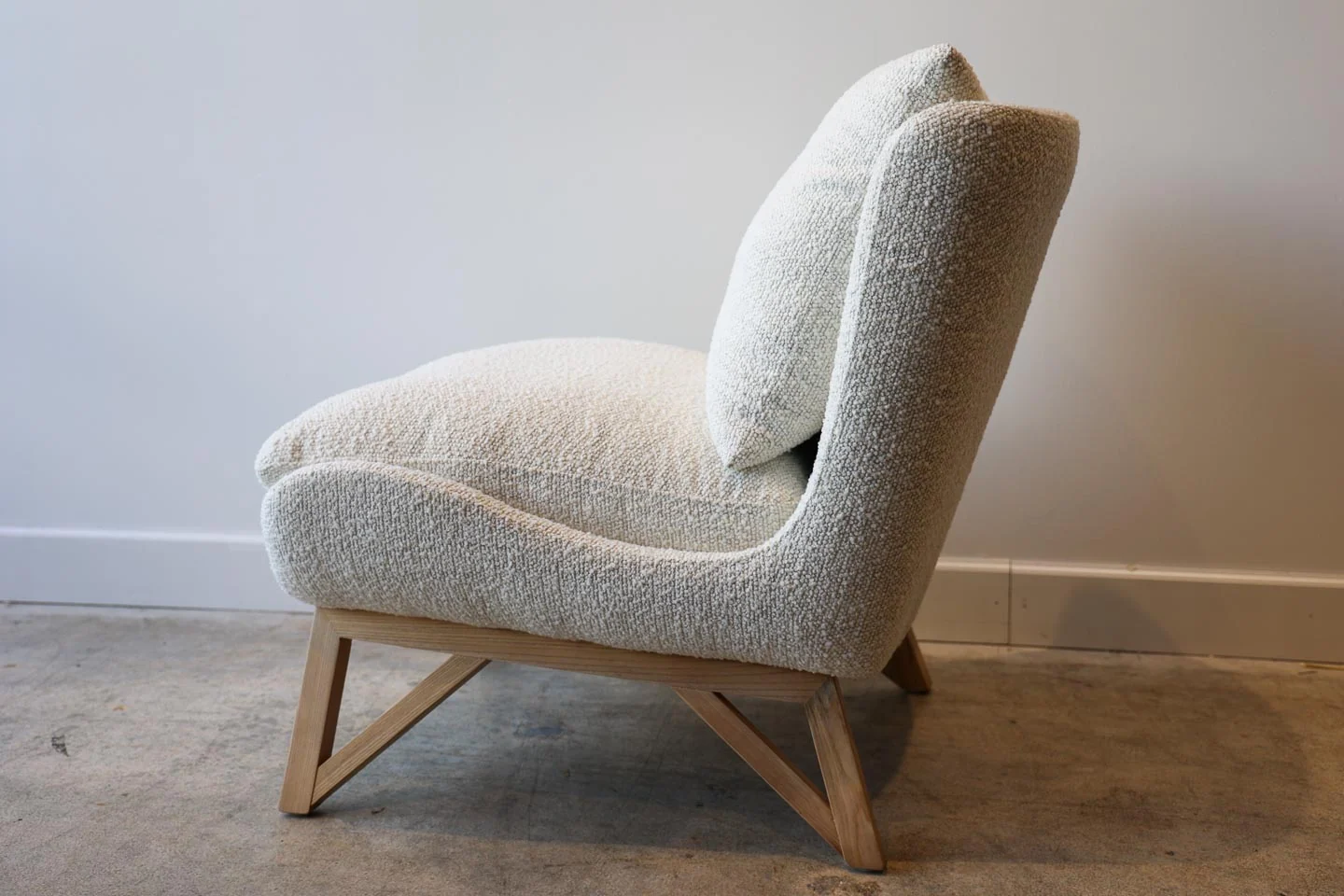
- If your sofa has thin arms, consider chairs with open arms (like a metal frame) or no arms (an armless slipper chair works beautifully).
- If your sofa has flat track arms, you can handle a slightly chunkier chair without it looking lopsided.
3) Visual weight
Visual weight is not just size. It is also darkness, texture, and how “solid” the piece looks. A delicate-legged MCM sofa can get swallowed by two heavy contemporary chairs.
- Pair a light sofa frame with one heavier chair and one lighter chair if you want contrast without domination.
- Or choose contemporary chairs with exposed legs to match the sofa’s airy feel.
Match back height too
Seat height gets all the attention, but back height is what controls the sightlines in your room.
- If your sofa has a low back, very tall wingback or high-headrest chairs can make the sofa look extra small. I like chairs that land at a similar shoulder height when you are standing back and looking at the group.
- If your sofa has a higher back, you have more freedom. Just avoid two chairs that are both taller and bulkier than the sofa, unless you want the sofa to become the quiet supporting actor.
Chair shapes that work
When I am styling, I treat the sofa as the long horizontal line, then use chairs to add shape. These are my favorite “safe but not boring” contemporary silhouettes next to a mid-century sofa.
Curved tub chair
A rounded back softens the straight seams and crisp edges common in mid-century upholstery. It also adds that modern, lounge-y comfort without looking like you tried to replicate 1962 exactly.
Sling or cantilever chair
Think metal frame with a floating seat, or anything that looks a little architectural. The lines feel modern, but the openness still nods to the mid-century love of lightness and leggy furniture.
Tailored swivel chair
Swivels are contemporary comfort magic. To keep it from feeling like a 1990s family room, choose one that looks structured, not overstuffed. A tight back and a clean seam line help.
Sculptural accent chair
If your sofa is simple, this is where you can be brave. A chair with a bold profile, interesting negative space, or an unexpected base can make the whole room feel collected and current.
Use materials as a bridge
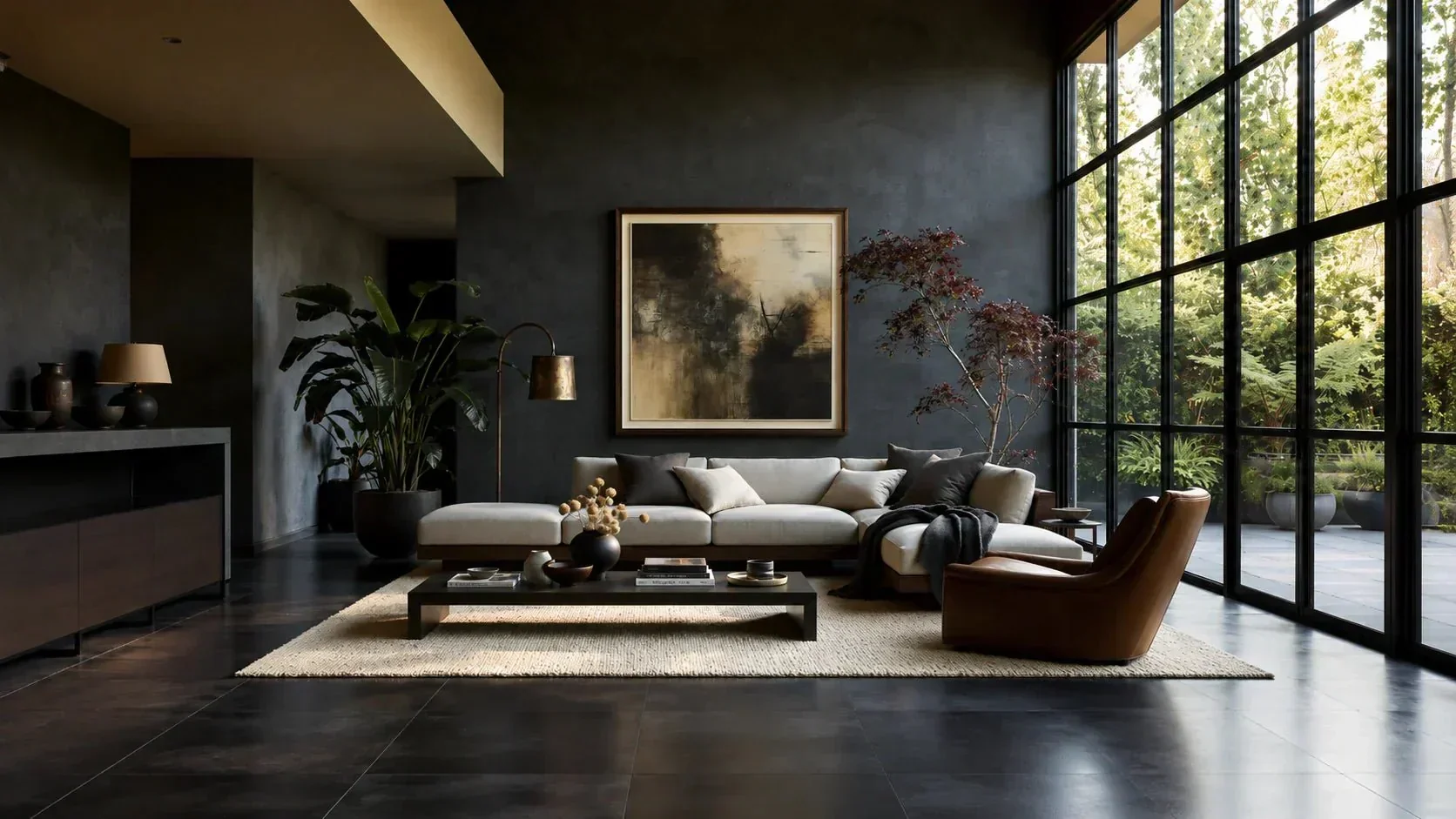
Mixing eras works best when the room has a few shared materials. Mid-century modern often shows up with warm woods (like walnut or teak), tailored upholstery, and warm-toned metals. Contemporary pieces often lean into texture, matte finishes, and performance fabrics. You can absolutely mix them, just give the room a little bridge.
- Wood bridge: If your sofa has walnut legs, look for chairs with a wood detail somewhere, even if it is subtle like an oak plinth base or a walnut arm cap.
- Metal bridge: If your room already has mixed metals, keep it consistent across the seating area. This guide helps if you are juggling finishes: Mixing Brass, Copper, and Chrome in Mid-Century Modern Style.
- Textile bridge: Pair a smooth vintage-style sofa fabric with a chair that has texture, but repeat that texture elsewhere. A nubby chair looks more intentional when there is also a textured throw or a woven rug.
Color strategies
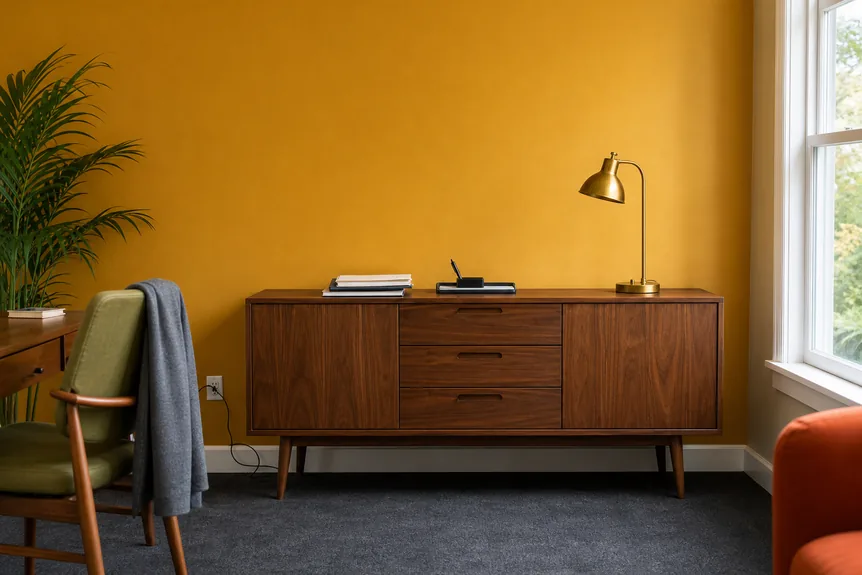
Color is where the time-capsule risk usually shows up. If everything is avocado, walnut, and burnt orange, the room can tip into themed. If everything is gray-on-gray, the mid-century pieces lose their charm. These two approaches give you balance.
A: Neutral sofa, bold chairs
If your sofa is tan, cream, gray, or a quiet tweed, you can go modern and saturated on the chairs. I love a deep green, inky blue, or warm rust in a contemporary shape.
- Keep bold chairs from looking random by repeating the color one more time somewhere small, like a vase, art, or a pillow.
B: Bold sofa, calm chairs
If your sofa is already the star, pick chairs in a calmer neutral or a tone-on-tone shade so they read as supportive. This is my go-to when the sofa is vintage and I want it to feel protected and special.
If you are torn between earthy versus jewel tones, I broke down how each reads in a room here: Earth Tones vs. Jewel Tones in Mid-Century Style.
Make it one conversation
Even perfectly chosen chairs can feel plopped if the layout does not connect. I set up seating like a loose triangle so everyone can talk without shouting over a coffee table.
- Angle the chairs slightly toward the sofa instead of facing straight forward.
- Keep reach comfortable: I usually start around 14 to 18 inches between chair and coffee table edges for easy reach, then adjust for traffic. If it is a tight room or a main walkway runs through, you may need more breathing room.
- Unify with a rug large enough that at least the front legs of the sofa and chairs sit on it.
- Add one shared surface like a long coffee table or a pair of nested tables so the grouping reads as intentional.
Do not forget clearance
Mixing pieces often fails for a boring reason: the room gets crowded. Before you fall in love with that perfect chair, check your pathways.
- Try to keep main walkways around 30 to 36 inches when you can, especially near doorways and high-traffic routes.
- If space is tight, choose chairs with a smaller footprint, open bases, or armless profiles so the room feels lighter without sacrificing seating.
Common mistakes
Seat depth mismatch
If your sofa is shallow and upright but your chairs are deep and lounge-y, people will naturally gravitate to one and ignore the other. Try to keep the sit posture similar, or use pillows to adjust comfort.
Too many statements
Let one piece do the talking. If the sofa has a strong vintage silhouette, choose one sculptural chair and keep the other more classic. Or if both chairs are bold, keep the sofa quieter.
Ignoring wood tone
Your wood tones do not need to match, but they should look like they belong in the same house. If you are mixing teak, walnut, and white oak, add a bridging element like a medium-toned coffee table or a warm rug that makes the mix feel deliberate.
If you are trying to get better at spotting genuinely mid-century wood pieces while you shop, this is my favorite reference: How to Spot Authentic Mid-Century Modern Wood Furniture.
Where to spend
If you are balancing a vintage sofa with everyday life, I like this simple rule: protect the vintage, let the modern work harder.
- If the sofa is vintage: I am more willing to splurge on durable, easy-clean accent chairs (or at least pick chairs in performance fabric) so the room holds up without the sofa taking all the wear.
- If the sofa is new and neutral: I will spend a little more on one truly comfortable, well-made chair, since that is often the seat everyone fights over.
Three pairing recipes
1: Walnut sofa, black chair
- Choose a chair with black metal legs or a black base.
- Add one black detail elsewhere, like a floor lamp base, frame, or a small object on the coffee table.
2: Neutral sofa, textured chair
- Keep the chair a warm neutral (cream, sand, oatmeal) but go heavy on texture like boucle or a woven performance fabric.
- Repeat texture once more in a throw or curtain fabric for a calm, layered look.
3: Bold sofa, airy chair
- Pick chairs with open sides, exposed legs, or a lighter frame so the sofa stays the visual anchor.
- Use a simple, modern coffee table so the area does not lean too retro.
Quick FAQ
Do the chairs have to match?
No, and I actually prefer when they do not. Matching chairs can look a little showroom. If you mix, keep one element consistent, like both chairs share a similar height, or both are in the same color family.
Can I mix leather and fabric?
Yes. Leather on the sofa and fabric on the chairs is a classic high-low mix. Just keep the undertones friendly. A warm caramel leather usually looks best with warm whites, creams, olives, and rusts. A cool espresso leather tends to sit better with charcoals, crisp whites, and deep blues.
What if my sofa is vintage and delicate?
Then let the chairs take the daily wear. Choose durable chair upholstery and keep the sofa as the beautiful anchor. If you thrifted the sofa, make sure it is structurally solid before you build the room around it. This guide covers red flags to watch for when you are shopping secondhand: 5 Structural Red Flags to Avoid When Thrifting Mid-Century Wooden Furniture.
Curated, not costume
I love a room that nods to 1960 without pretending we are living in it. Your mid-century sofa can be the nostalgic heart of the space, and your contemporary accent chairs can bring in comfort, function, and a little surprise. When the heights relate, the materials connect, and the colors are chosen with intention, the whole room reads like you, not a decade.