
My love for mid-century rooms started in my grandparents’ 1960s house, where the “inside” spaces always felt like they had a relationship with the yard. Their den had big glass, breezy curtains, and a steady parade of plants that made everything feel alive. When I started restoring my own 1958 ranch, I realized the easiest place to chase that same feeling is a sunroom. It is already halfway outdoors. You just have to help it finish the sentence.
This tour walks through a mid-century modern sunroom styled for indoor-outdoor living using classic rattan seating, vibrant houseplants, and atomic-era outdoor decor. I will point out what’s vintage, what’s a modern stand-in, and exactly how I’d recreate the look without turning it into a staged set you are afraid to sit in.
The vibe: breezy and grounded
Before we talk furniture, here is the goal: a sunroom should feel like a comfortable, edited version of the porch. Not formal. Not precious. The best mid-century leaning sunrooms usually nail three things:
- Natural materials like cane, rattan, teak, sisal, and ceramic
- Simple silhouettes with low profiles and clean lines
- One or two “fun” notes that nod to the atomic era, like starbursts, boomerangs, or playful color
If your sunroom has original windows, a slider, jalousie panes, or even just a wall of glass, you already have the most important mid-century feature. Everything else is supporting cast.
Stop 1: Seating with rattan
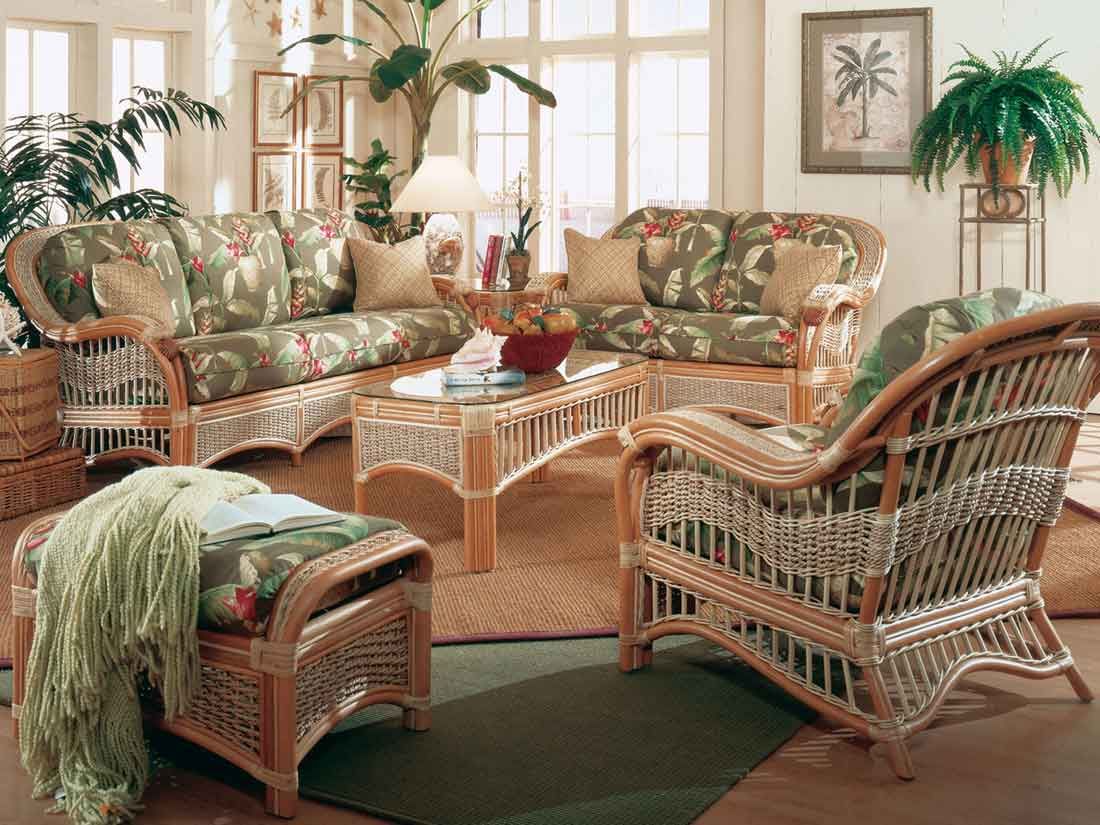
In this sunroom, the whole layout starts with rattan. Rattan is commonly associated with mid-century porches and sunrooms, and it also makes sense for a space that swings between indoor comfort and outdoor energy. It is light, airy, and forgiving visually. A little patina can read as honest, not messy.
What the main seating looks like
- Two rattan lounge chairs with wide arms and a slightly reclined back
- A matching settee or loveseat across from them for balance
- Seat cushions in a wipeable fabric that can handle sunscreen and iced coffee mishaps
Vintage vs. stand-in: If you score true vintage rattan, you will usually see tighter, more uniform weaving, real screw heads or wood plugs, and that slightly honeyed tone that comes with age. If your sunroom gets brutally hot or super humid, a modern stand-in I actually like is all-weather resin wicker in a simple, mid-century shape. You get the look without the seasonal cracking anxiety.
Clara tip: make rattan feel “designed,” not dormy
Rattan can slide into beachy territory fast. The fix is contrast. Add one grounded mid-century element nearby, like teak, walnut, or black metal. That is why a low wood table works so well here.
If you are sourcing vintage seating, I also recommend a quick read through Buying Vintage Mid-Century Upholstered Furniture: What to Check. Even in a sunroom, cushion condition and frame stability matter.
Stop 2: The wood table
Right in the middle: a low-profile wood coffee table, the quiet hero that keeps the room from floating away. In mid-century spaces, that warm wood tone is the anchor. In a sunroom, it also gives your eye a resting spot among all the greens.
Look for:
- Rounded corners (kid shins will thank you)
- Tapered legs or a sled base
- Teak or walnut tones that play nicely with honey-colored rattan
Vintage vs. stand-in: A thrifted vintage table often has a thinner top than you expect, tidy joinery, and legs that feel “architectural,” not bulky. If you are using a modern stand-in, keep it honest: choose a simple shape with warm wood tone and skip anything with a super high-gloss finish that screams “brand new box store.”
If you thrift a table for a sunroom, check the underside and joints for swelling or separation. Even indoor sunrooms can get humid. This is where 5 Structural Red Flags to Avoid When Thrifting Mid-Century Wooden Furniture can save you from a wobbly “deal.”
Stop 3: The plant edge
A mid-century sunroom without plants is like a cocktail party without ice. You can do it, but why would you?
This tour’s sunroom uses plants the way mid-century designers used built-ins: to create architecture. Instead of scattering pots randomly, the plants are grouped to form a leafy edge along the windows.
How to build the look
- Start with 1 or 2 big “statement” plants, like a bird of paradise, rubber plant, or ficus
- Add mid-size volume with monsteras, philodendrons, or large pothos
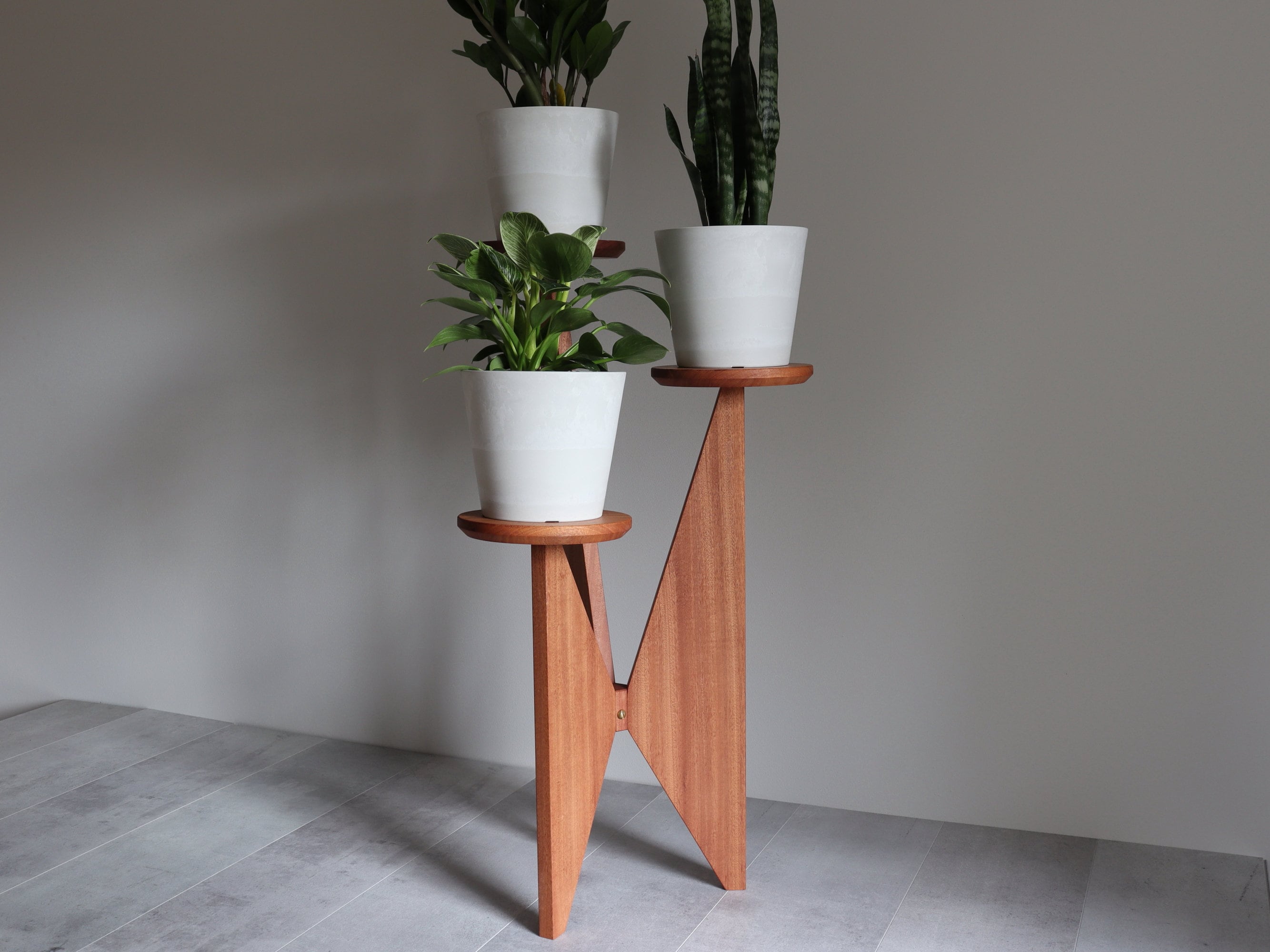
- Finish with trailing texture from hanging planters or a plant stand
Sunroom reality check: Plants scorch, too. If your glass gets direct afternoon sun, pull the most sensitive plants back a foot or two from the window, and rotate them weekly so one side does not get cooked. I treat it like styling and plant care at the same time.
Vintage vs. stand-in: True vintage planters often have a little weight and a slightly irregular glaze. For a modern stand-in, look for ceramic planters with saturated, glossy glazes and clean shapes. Atomic-era styling often featured bold ceramics and graphic forms, so the silhouette matters as much as the color.
Stop 4: Atomic accents
This is where the sunroom gets its personality. Atomic-era outdoor decor is playful by nature, and a sunroom is the perfect place to show it off because it bridges indoors and out.
A few classic options that feel right at home:
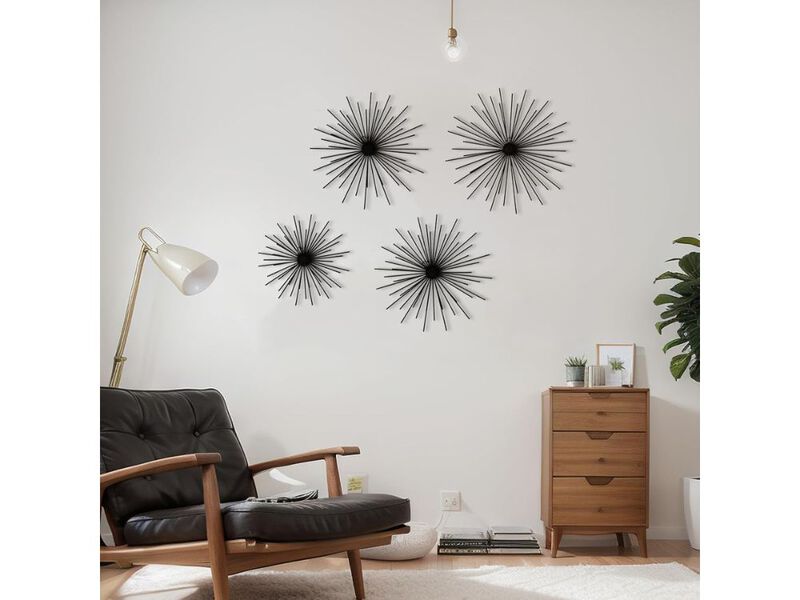
- Starburst motifs on wall art, planters, or small accents
- Weather-friendly metal sculptures in boomerang or abstract shapes
- Vintage-looking lanterns or candleholders with clean, space-age lines
- Glazed ceramic pieces that echo the colors of your garden
Vintage vs. stand-in: Vintage metal pieces tend to have real heft and imperfect patina. If you are buying a newer piece, go for thicker metal and simpler lines so it reads “period-inspired,” not theme-park.
I like to treat these accents like punctuation. One strong wall piece, one sculptural object, and then let the plants do the talking.
If you want a bigger hit of mid-century color confidence, the palette guidance in Earth Tones vs. Jewel Tones in Mid-Century Style is a helpful north star for choosing accent shades that still feel era-appropriate.
Stop 5: Rugs and pillows
The difference between “porch furniture in a glass box” and “sunroom you actually live in” is textiles. Rugs and pillows soften all the hard surfaces and visually warm up the space.
Rug choice for a sunroom
- Flatweave or indoor-outdoor rugs handle traffic and sun better
- Texture beats pattern if your plants are already visually busy
- Warm neutrals like oatmeal, sand, or caramel keep the vibe mid-century
Sunroom reality check: Condensation happens. If your rug sits near a slider or a run of windows, choose a rug pad that will not trap moisture against the floor. On vinyl or tile, I like a thinner, breathable pad so you do not end up with that damp feeling underneath.
Pillows and throws
For pillows, I love a simple mix: one solid, one subtle texture, one graphic. If you want that atomic nod without going literal, look for abstract shapes and color-blocking instead of rockets or cartoons.
Vintage vs. stand-in: I rarely use true vintage textiles in a sunroom unless the room is gentle and shaded. A modern stand-in in an outdoor fabric is the smarter move, and you can still keep it era-friendly with color and pattern.
Stop 6: Window treatments
Sunrooms are all about light, but that does not mean you want to live in a greenhouse at 4 p.m. Period-friendly window treatments were typically simple, functional, and easy to live with.
- Woven shades (think grasscloth vibes) for a natural look that pairs with rattan
- Sheer panels to soften glare without losing brightness
- Vertical blinds as a later mid-century option, especially into the 1960s and 1970s
- Simple hardware in black or warm metal to keep lines clean
Vintage vs. stand-in: I treat window treatments as a safe place to go new. A modern woven shade in the right tone will read more authentic than a fussy, over-styled “retro” print.
If your sunroom faces harsh afternoon sun, I recommend reading Mid-Century Modern Window Treatments for options that feel period-friendly but still practical for real homes.
Stop 7: Lighting at night
A sunroom can get a little sad after sunset if it relies only on overhead light. Mid-century rooms shine when you layer lighting low and warm. In this space, I love a simple trio:
- A floor lamp with a drum shade or cone shade near the seating
- A small table lamp on a side table for glow at eye level
- A candle moment in a sculptural holder for the coziest evenings
Vintage vs. stand-in: Vintage lamps are wonderful here because you get that era-true shape instantly. If you are buying new, focus on shade shape and warm metal finishes. The wrong bulb can ruin everything, so keep it warm and soft.
Keep bulbs warm. A sunroom is supposed to feel golden, even after the sun leaves.
Sunroom durability notes
Sunrooms are beautiful because they are bright. They are also a little tougher on furniture than a standard living room. Here are the guardrails I use so the room stays pretty and livable.
- UV and fading: Rotate cushions and pillows like you rotate plants. If you notice one side bleaching out, switch positions. If you are choosing new cushions, outdoor fabrics tend to hold color longer.
- Heat and rattan: Keep rattan and cane a bit off the hottest glass. Intense heat and big humidity swings can dry it out over time. If your room runs extreme, resin wicker is a solid look-alike.
- Moisture near windows: Avoid pushing wood furniture right up against a window line where condensation collects. Give it breathing room.
How to recreate the look
If you want a quick blueprint, here is the order I would do it in, especially if you are building the room slowly through thrifting.
- Place the seating first and make sure walkways feel easy
- Add one grounded wood piece (coffee table, sideboard, or bench)
- Create a plant edge along the brightest windows
- Choose one atomic accent as the statement, then stop
- Layer textiles to soften and define the seating zone
- Finish with lighting so the room works day to night
And if you are hunting for pieces, the best finds often come from the unglamorous sources. I keep a running list inspired by 7 Overlooked Local Spots to Score Authentic Mid-Century Modern Furniture, and I still use negotiation basics from 10 Pro Tips for Haggling at Flea Markets for Mid-Century Modern Finds whenever I spot rattan in good shape.
Small-space swaps
Not every sunroom is a dreamy glass rectangle with room for a full seating set. Here are a few ways to scale the look down without losing the era.
- Swap the loveseat for a rattan bench with two cushions
- Use nesting tables instead of a large coffee table
- Go vertical with plants using one tall plant stand and one hanging planter
- Choose one bold ceramic planter as your color moment
The mid-century magic is not about quantity. It is about the mix: natural texture, warm wood, clean lines, and a little wink of optimism.
Mid-century checklist
If you are worried about drifting into “general retro,” here is the checklist I use. If you hit most of these, you are in true mid-century territory:
- Materials: rattan or cane, wood with warm undertones, ceramic, metal accents
- Shapes: tapered legs, rounded corners, simple geometric lines
- Palette: earth tones with one brighter pop (or a jewel-toned punch used sparingly)
- Styling: intentional negative space, not overcrowded shelves and surfaces
- Plant life: abundant and grouped, like it is part of the architecture
A mid-century sunroom should feel optimistic and relaxed. Like you could open a slider, put a record on, and let the afternoon stretch out.