
My soft spot for mid-century lighting started in my grandparents’ 1960s living room, where the evening routine was always the same: a good book, a low hum from the console stereo, and one perfectly placed floor lamp that made the whole corner feel like its own little world. I’ve been chasing that feeling ever since. The right lamp does more than brighten a page. It sets the mood, flatters your furniture, and makes a reading nook feel intentional instead of accidental.
Below is my short list of mid-century modern floor lamp styles that consistently deliver that cozy, practical sweet spot. I’m focusing on three classics that play especially well in corners: arched lamps, tripod lamps, and tension-pole lamps. Along the way, I’ll share what to look for so you get true task lighting, not just pretty ambient glow.
What makes a floor lamp great for reading
A lamp can be gorgeous and still fail at the one job you need it to do: light the page without glare. Before we get into specific styles, here’s what I check when I’m thrifting, buying vintage, or choosing a new production lamp with mid-century lines.
- Shade control: A dome, drum, or cone shade that directs light down is your friend. Wide open uplights are mood lighting, not reading lighting. Bonus points for a diffuser or an opaque shade that hides the bulb from your eyeline.
- Glare control details: I look for shades that keep the bulb recessed. A bright white interior can boost output (helpful!), but it can also feel glary if the bulb sits too high. A matte interior is usually softer on the eyes.
- Height and reach: Ideally, the bottom of the shade lands at or just above shoulder level when you’re seated. As a loose rule of thumb, that often lands around 42 to 48 inches from the floor in many living rooms, but your chair height matters more than the number.
- Bulb brightness: For most nooks, an 800 to 1100 lumen bulb range is a comfortable starting point. (Think of it as roughly “60W-ish to 75W-ish” in old incandescent terms, not a perfect conversion.)
- Warmth: I like 2700K to 3000K for reading corners because it keeps the vibe cozy while still feeling crisp on paper.
- Stability: A reading nook invites shifting and swiveling. Make sure the base is heavy enough that you can adjust the shade without the whole lamp doing a slow-motion tip.
- Dimmers: Not required, but always welcome. If you want dimming with LEDs, use a dimmable LED bulb and an LED-rated dimmer to avoid flicker or buzzing.
- Safety basics: For new production lamps, I prefer fixtures with UL or ETL listings. For vintage lamps, I lean toward LED bulbs because they run cooler than incandescents, which is kinder to older sockets and shades.
If you’re building out a full lighting plan in a mid-century room, I usually pair one strong task light with softer ambient light elsewhere. That layering is what makes a space feel warm instead of spotlit.
Arched floor lamps: the iconic over-the-chair glow
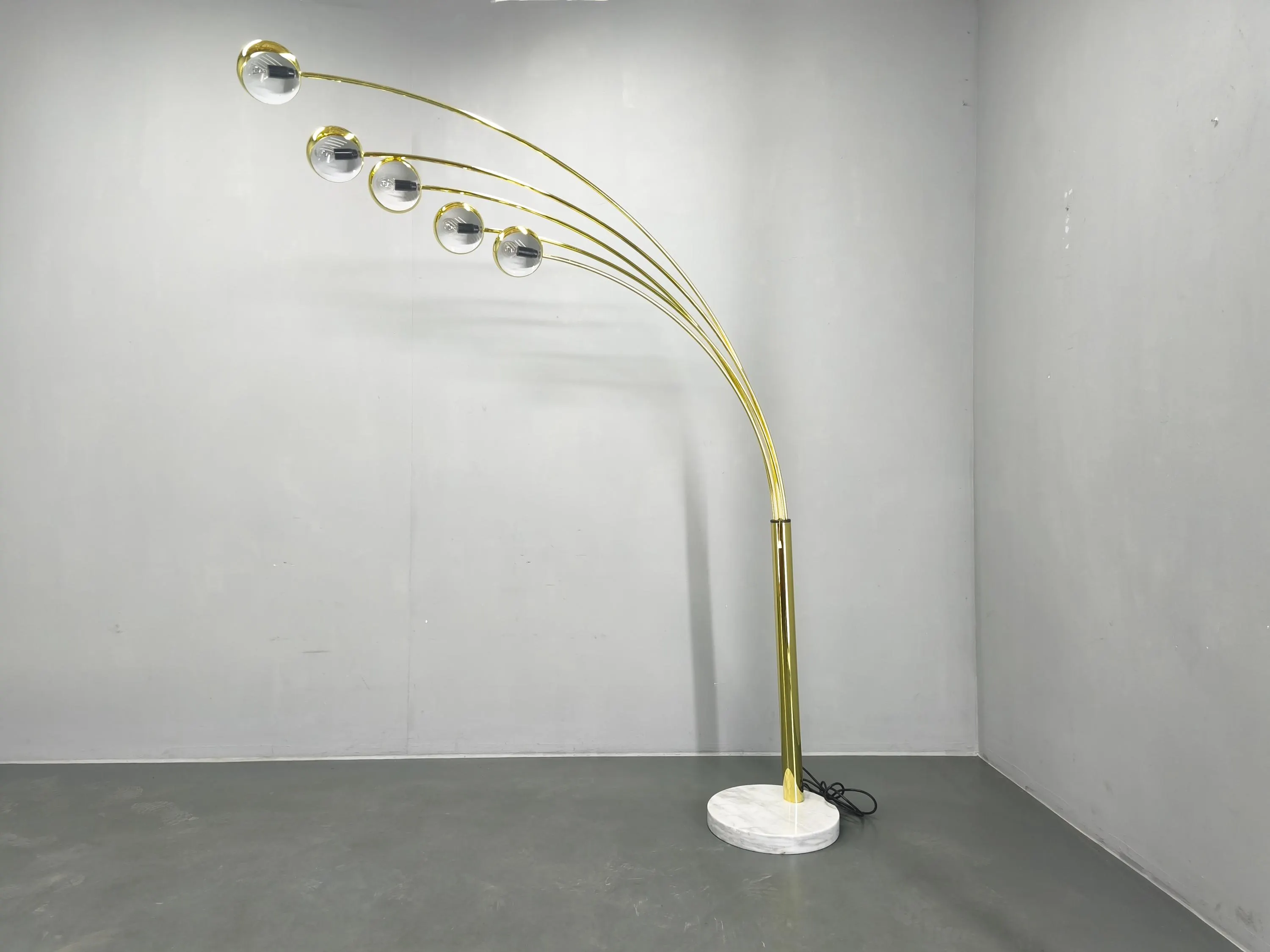
Arched lamps are the mid-century classic for a reason. They solve a common nook problem: you want light over your shoulder, but you do not have space for an end table lamp. With an arc, the base can sit behind or beside the chair while the shade reaches right where you need it.
Why they work in reading nooks
- Reach: You can place the base out of the walkway and still get light over the seat.
- Big visual impact: The curve reads very mid-century and helps define a “zone” in an open plan room.
- Great with low lounge seating: Think sling chairs, tulip side tables, and anything with that classic low profile.
What to look for
- A weighted base: Marble and heavy metal bases are popular for a reason. If you have pets or kids, this matters even more.
- A directional shade: Dome and cone shades are ideal. Fabric drums can work if they have a diffuser or are opaque enough to prevent glare.
- The “reach test”: In a standard nook, you want the shade to land over the front half of your seat cushion, not behind your head.
Clara’s styling note: Arched lamps look especially at home with walnut, teak, and camel leather. If your nook feels a little heavy, choose a slimmer arc profile in brass or black to keep it airy.
For chair pairing ideas, I love mixing classic silhouettes with modern comfort. If you’re doing a lounge chair moment, you may also like my roundup of Eames lounge chair alternatives on a mid-century budget.
Tripod floor lamps: sculptural and stable
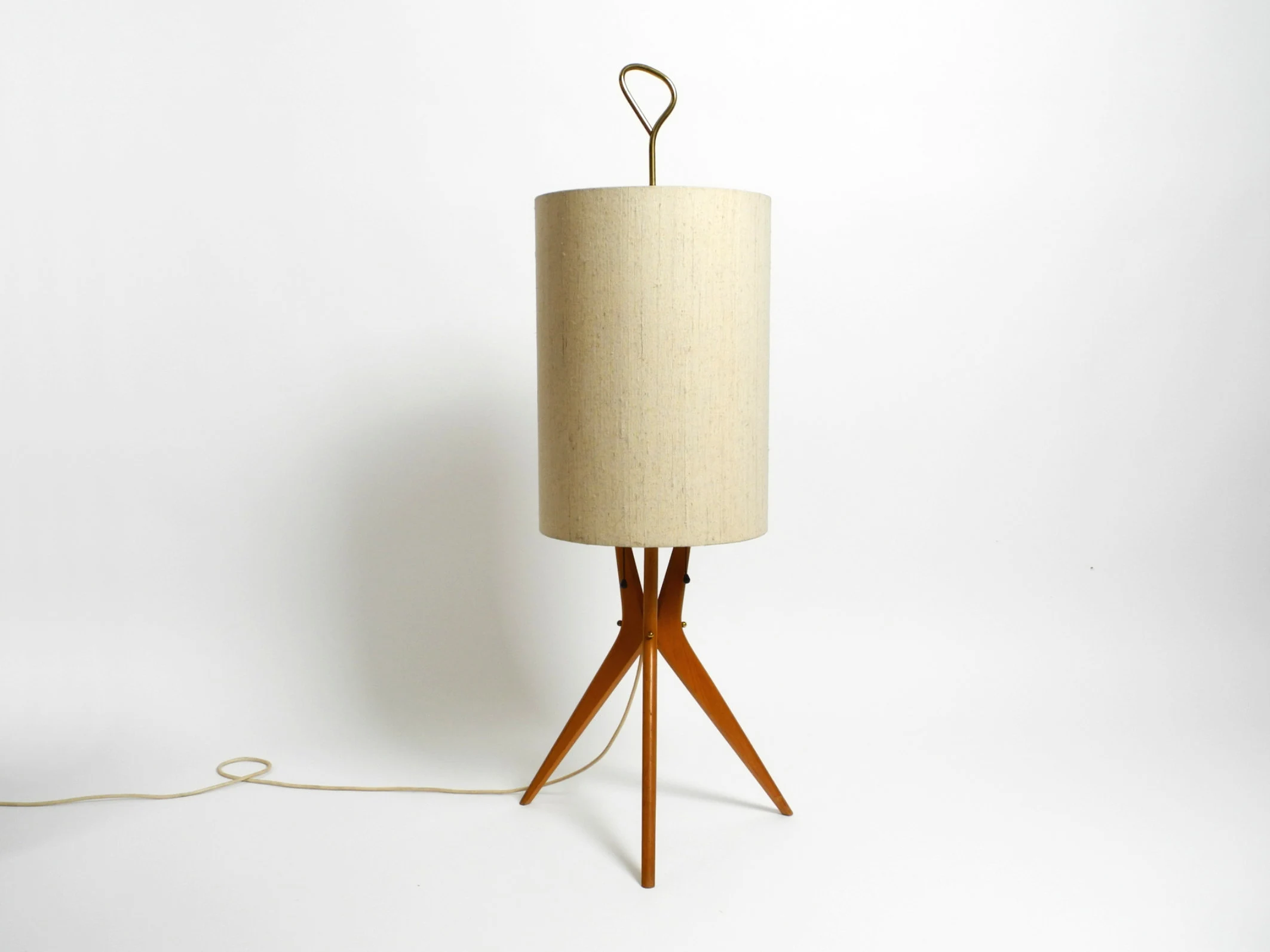
Tripod lamps bring instant architecture to a corner. They’re grounded and graphic, which is very mid-century, but they can also feel soft and homey when you choose the right shade.
Why they work in reading nooks
- Balanced stance: Three legs distribute weight nicely, which can make them feel secure even on thicker rugs.
- Corner-friendly (with the right leg spread): A tripod can tuck into a corner if the legs do not splay too wide. In tight walkways, that footprint matters more than the lamp’s “slim” silhouette.
- Easy style match: Wood legs read warm and vintage. Metal legs read sleek and a little more “Palm Springs.”
What to look for
- Shade shape: A tapered drum or cone gives you better downward light than a wide open cylinder.
- Leg spread: Make sure the legs will not trip you up in a tight path. In small rooms, modest leg angles are your friend.
- Socket orientation: Some tripod lamps sit the bulb high inside the shade, which can cause glare. I prefer the bulb sitting slightly deeper in the shade, or a shade with a diffuser.
Clara’s styling note: If your nook already has a lot of “curves” (rounded chair arms, round table, round rug), a tripod is a nice counterbalance. It adds a little crisp geometry without feeling cold.
Tension-pole lamps: vertical drama for tiny nooks
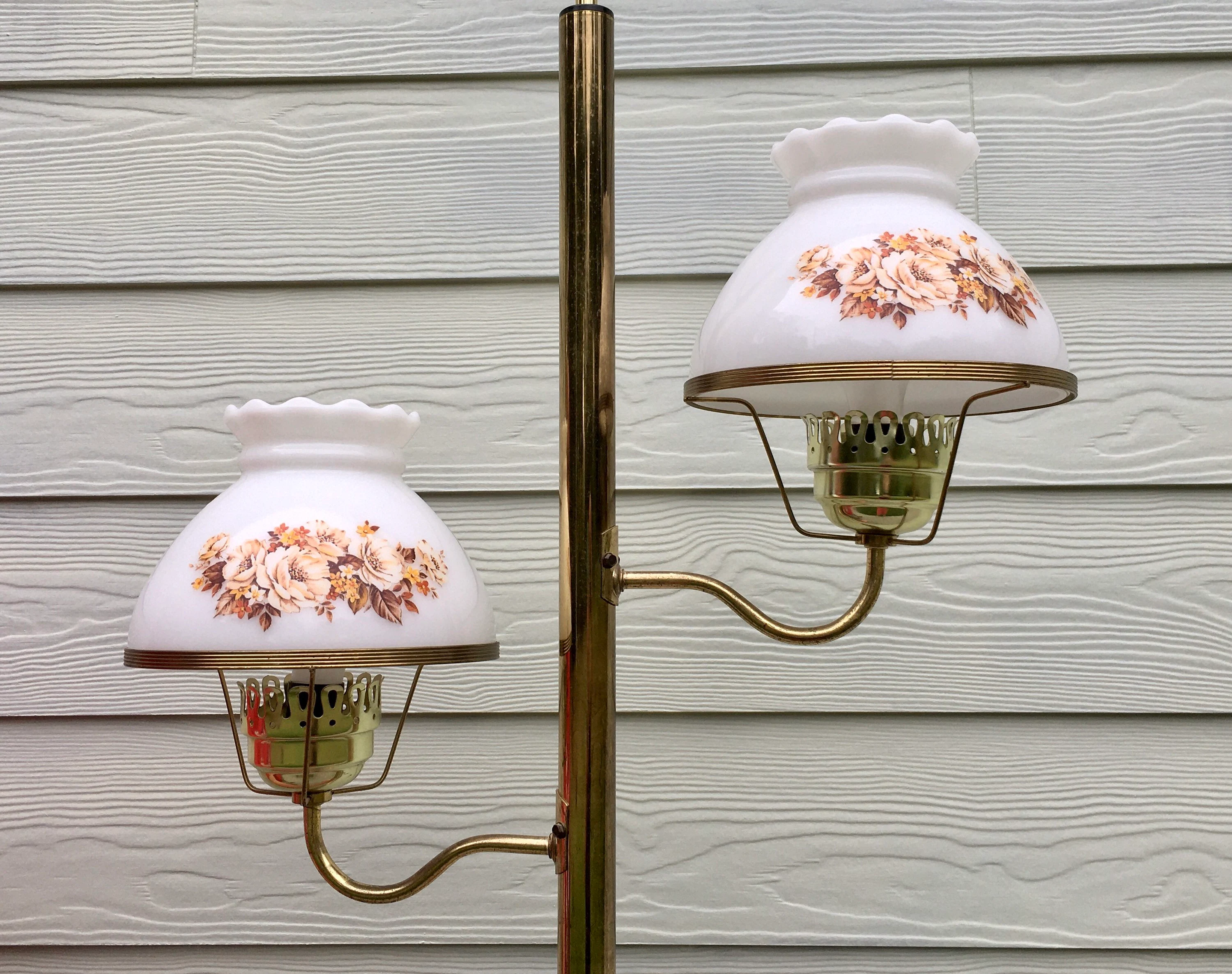
Tension-pole lamps are one of my favorite mid-century “small space cheats.” They take advantage of vertical space instead of floor space, and when they’re styled right they feel like functional sculpture. Traditionally they run from floor to ceiling and use tension to stay in place.
Why they work in reading nooks
- Minimal footprint: Perfect for apartments, narrow corners, or spots where a heavy base would crowd the chair.
- Multiple light sources: Many tension-pole designs have two or three adjustable heads, which makes it easy to aim one for reading and another for ambient glow.
- True vintage personality: Brass, black, walnut accents, and those classic bullet-shaped shades feel authentically mid-century.
What to look for
- Ceiling compatibility: Measure first, and be honest about your ceiling surface. Tension-poles need a solid, stable surface to brace against and are not ideal for fragile finishes or many drop-ceiling situations.
- Secure tension and grip: If it is not properly tensioned, it can slip. I always check the pads or end caps and avoid forcing hardware that looks stripped or bent.
- Wiring condition: If you’re buying vintage, inspect cords and sockets carefully. Many pieces benefit from a professional rewire.
- Adjustable heads: For reading, you want a head that tilts and swivels, not one that only points outward.
Clara’s styling note: Tension-poles can look busy fast. I like them best when the rest of the nook is calm: one chair, one small table, one great texture (like a nubby pillow or a woven shade).
If you’re buying vintage lighting for your nook, I use the same caution checklist as upholstered furniture hunting: look closely, ask questions, and do not get blinded by the “cool factor.” My thrifting guides live in Vintage Hunting & Thrifting, and they’ll help you shop with confidence.
Quick picks by nook layout
If you want the fastest way to choose a style, match the lamp to your layout first, then refine finishes and shade shapes.
| Reading nook setup | Best lamp style | Why it fits |
|---|---|---|
| Chair has no side table | Arched floor lamp | Reaches over the seat and puts light where you read |
| Corner has a small side table | Tripod floor lamp | Sculptural and steady, as long as the leg spread stays out of the walkway |
| Very tight floor space | Tension-pole lamp | Uses vertical space and often gives you multiple adjustable heads |
| Open-concept room needs a “zone” | Arched or tripod | Both create a strong visual boundary for the nook |
Bulbs and shades that keep it cozy
Even the perfect lamp can feel harsh with the wrong bulb. For that warm, end-of-day reading mood, here’s my simple formula:
- Color temperature: 2700K for soft and cozy, 3000K if you want a slightly cleaner look.
- Brightness: Start at 800 lumens if you read casually, bump closer to 1100 lumens if you do longer sessions or prefer a brighter page.
- Beam control (simple options): If you notice glare, try a reflector-style LED (BR or PAR shapes are common) to aim light down more intentionally, especially in shallow metal shades.
- Shade material: Opaque metal shades are best for focused task lighting. Fabric shades glow beautifully but may need a brighter bulb to feel like true reading light.
- Diffusers matter: A diffuser softens the hotspot and reduces that “bare bulb” feeling when you shift in your chair.
And if your nook sits near a credenza or bookcase, you can layer in a smaller light source to make the corner feel intentional. I walk through my favorite vignette approach in how to style a mid-century credenza with vintage decor.
Thrifting tips for vintage floor lamps
Some of the best reading nook lamps I’ve owned came from estate sales and secondhand shops, usually with a little dust and a lot of potential. A few quick checks keep you from bringing home a problem project.
- Check the base for wobble: If it rocks on a flat floor, make sure it is a simple leveling fix, not a bent stem.
- Inspect the socket and cord: Brittle insulation, cracked sockets, or scorch marks are signs it needs attention before you plug it in.
- Look for missing parts: Finials, harp assemblies, shade holders, and proprietary tension hardware can be tricky to replace.
- Ask about function: If you’re at an estate sale, ask to see it powered on. If you’re buying online, ask for a quick photo of the lamp lit.
- Plan for cooler light: If the fixture is vintage and you are unsure about heat tolerance, LEDs are your safest default until you have the lamp checked.
For the best hunting grounds and strategies, I’d start with estate sales for mid-century modern decor and then level up with my favorite Facebook Marketplace search terms for mid-century modern.
Finishes that feel mid-century
If you’re trying to keep the nook looking cohesive, finishes matter almost as much as the lamp shape.
- Brass: Warm and classic. Works beautifully with walnut, cane, and caramel leather.
- Black: Graphic and modern-leaning, great for anchoring lighter upholstery and pale woods.
- Wood details: Walnut or teak accents add instant authenticity and softness.
- Mixed metals: Very period-correct when done thoughtfully, especially in rooms with vintage hardware.
If you’re mixing finishes in the same room, I keep it simple and repeat each metal at least twice. This makes the look feel collected, not accidental. More on that in mixing brass, copper, and chrome in mid-century modern style.
Set up the nook so it works
My favorite reading nooks feel effortless, but they’re usually the result of a few small placement decisions.
- Place the light slightly behind your shoulder: This reduces glare and helps avoid casting a shadow on your book.
- Aim the shade toward the page: For adjustable heads, point the hotspot at your lap, not your face.
- Add one soft surface nearby: A wool rug, a boucle pillow, or even a knit throw helps absorb light and makes the corner feel warmer.
- Mind the cord path: Run the cord behind furniture and secure slack so it does not become a trip hazard.
FAQ
Are arched lamps bright enough to read by?
They can be, as long as the shade directs light down and you choose a bright enough bulb. A dome shade plus an 800 to 1100 lumen LED is a reliable combo for most nooks.
What floor lamp style is best for small spaces?
Tension-pole lamps win for tiny footprints, but a slim tripod can also work if the legs do not spread too wide into your walkway.
Do I need a dimmer in a reading nook?
Not strictly, but it’s one of those upgrades you’ll appreciate every night. I like reading at full brightness, then dimming to a softer glow when I’m winding down. Just make sure your bulb is dimmable and your dimmer is LED-compatible.
How do I keep the nook from looking mismatched?
Repeat one finish and one shape language. For example, brass lamp plus a brass picture frame, and then a curved lamp shape echoed in a round side table. If you want help choosing a cohesive palette, Color Palettes & Styling is where I keep my go-to combinations.
The take-home
If you’re choosing just one lamp for a reading corner, start with the layout. Go arched if you need reach, tripod if you want sculptural stability (with a leg spread that fits your path), and tension-pole if floor space is precious. Then dial in the details that make it truly cozy: a shade that controls glare, a warm bulb that still feels bright on the page, and placement that keeps the light exactly where you read.
That is the little mid-century magic trick I’ve learned over time. When the lighting is right, the nook stops being “a chair in the corner” and becomes a nightly ritual.